Translate






Rain and snowmelt don’t just disappear—they often flow over roofs, streets, and parking lots, picking up trash, chemicals, oil, and pet waste along the way. This polluted runoff goes straight into storm drains, into our creeks, and into the Willamette and Clackamas rivers. These pollutants can harm wildlife and drinking water sources in Clackamas County and across Oregon.
Most of the pollution in Oregon’s waters is run-off from farms, streets, rooftops, and yards—not from industrial waste.
You Can Protect Local Waterways
What you do at home directly affects the health of our rivers and wildlife.The good news is that small actions can make a big difference. By preventing spills, properly storing chemicals, and disposing of waste responsibly, you can help protect our rivers, streams, and wildlife. On this page, you’ll find guidance and tools for pollution prevention from Clackamas Water Environment Services.
Where Spills and Leaks Happen
Spills that can seep into our creeks and rivers most often happen during everyday activities like car maintenance or caring for our landscaping. These are some of the most common pollutants:
- Oil, gas, and antifreeze
- Paint, solvents, and cleaners
- Pesticides and fertilizers
- Pet waste and sewage
- Pool and spa chemicals
- Other hazardous chemicals used around the home
7 Simple Ways to Prevent Water Pollution
Focus on one key principle: Keep pollutants off the ground and dispose of them properly. Here’s how to keep toxins out of our waterways and away from wildlife.
See Toxic Materials Drop Off Locations at the bottom of this page.
- Focus on Prevention
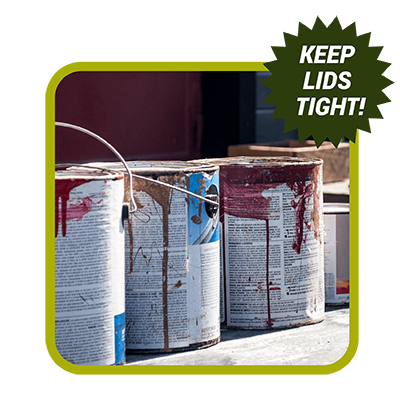
- Keep unused containers closed tightly.
- Store materials inside or under cover.
- Never use storm drains or gutters, ditches, or swales for waste disposal.
- Keep waste container lids closed.
- Fix Leaks Quickly
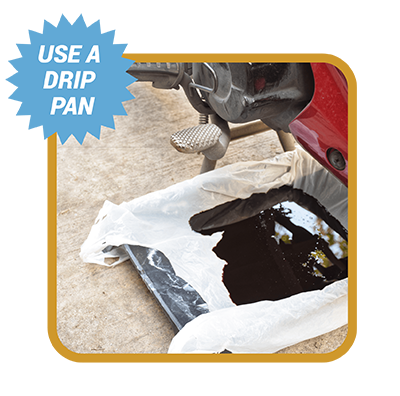
Repair vehicle leaks and use a drip pan if oil is leaking onto the ground. Clean Spills Correctly
Use kitty litter, sand, or newspaper to absorb a liquid spill. Then, sweep it up and put it in the trash. We explain how to use kitty litter as a clean-up tool, below.- Step 1. Using gloves, spread the absorbent (kitty litter, newspaper, sand, etc.) around the spill starting at the leading edge, from outside to inside.
- Step 2. Wait for the spill to be absorbed; add more absorbent if needed.
- Step 3. Now, sweep the materials into a trash bag. Larger spills might require disposing at a local hazardous waste facility.
Important: Never wash a spill into a street, gutter, storm drain, creek, or river.
- Put Poo in the Trash.
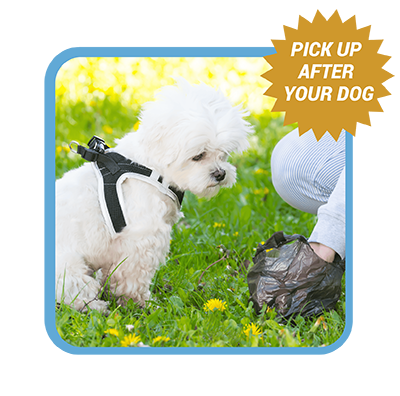
Pick up after your dog or animal so poop doesn’t sit on the sidewalk or grass. Put poo in the trash instead. - Sweep, Don’t Spray
Use a broom to clean driveways and sidewalks to avoid hosing any chemicals into the street. - Dispose of Hazardous Waste Safely
Take motor oil, paint, antifreeze, batteries, and hazardous household chemicals to an approved hazardous waste disposal facility. - Report a Spill or Pollution Problem
If a significant spill reaches a storm drain, creek, or river, contact local authorities immediately: Report pollution problems through Clackamas Water Environment Services.
Hazardous Chemicals and Your Health
Many hazardous chemicals can affect both environmental and human health. That’s why it’s important to handle and dispose of them properly. Exposure to toxic chemicals may cause:
- Skin irritation
- Eye injuries
- Breathing problems
- Poisoning
- Reproductive health impacts
- Increased cancer risk from certain substances
If you believe someone has been exposed to a toxic chemical, visit the Oregon Poison Center or contact them at 1-800-222-1222.
How to Dispose of Hazardous Waste
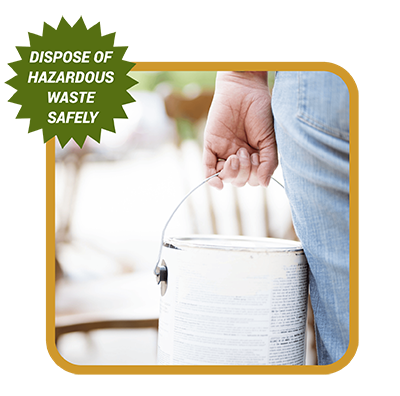
Don't put hazardous waste down the drain. Properly dispose of:
- Paint
- Motor oil
- Antifreeze
- Batteries
- Pool and spa chemicals
- Household hazardous chemicals
Drop off these materials at an approved hazardous waste collection facility in your community. Not sure if your item is accepted? Call ahead to confirm. Oregon residents can dispose of their hazardous waste at the Oregon Metro Waste Disposal and Clackamas Waste Disposal for batteries. Use our “What Goes Where” tool to determine the correct location for your item.