 Translate




History
The Clackamas Water Environment Services (WES) Board of Directors authorized the RiverHealth Watershed Stewardship Program (RHSP) and process for awarding grant funding to community groups for projects that enhance the health of District watersheds in a resolution on November 14, 2013 (Board Resolution 2013-92). The Board authorized the WES Director to develop, administer and expend funds for the program and directed that a report regarding the same be delivered to the
Board annually.
The Program
The RHSP supports community groups, businesses and property owners who work to improve the health of WES watersheds. The RHSP can provide up to $30,000 for projects that protect and enhance water resources in the District and/or provide watershed education and outreach. Community groups, businesses, schools, nonprofits, student groups, faith organizations, neighborhood or business associations, and service groups working to improve watershed health are eligible to apply. Examples of eligible projects include riparian restoration, stormwater features, habitat improvements, and education and stewardship events.
Each year, WES staff prepare a program guide and submittal forms for organizations to apply for these funds, advertise the information, accept proposals and evaluate them with a selection committee, and monitor project progress. Project proposals are solicited in the spring and awarded at the beginning of the fiscal year in July. The proposals are evaluated according to established criteria. Through this program, grantees have conducted outreach to neighborhood groups, schools and stream-side landowners, and worked with volunteers to improve watershed health through riparian planting projects. As the demand has grown, with budget approval from the Board, WES has increased the annual funding amount to the program from $152,000 in the first year to $330,000.
The projects have helped WES meet state and federal regulatory requirements to reduce pollution and improve the health of waterways. At the same time, the projects engage residents in stewardship, educating them about watershed health and encouraging them to take action on their own to improve water quality.
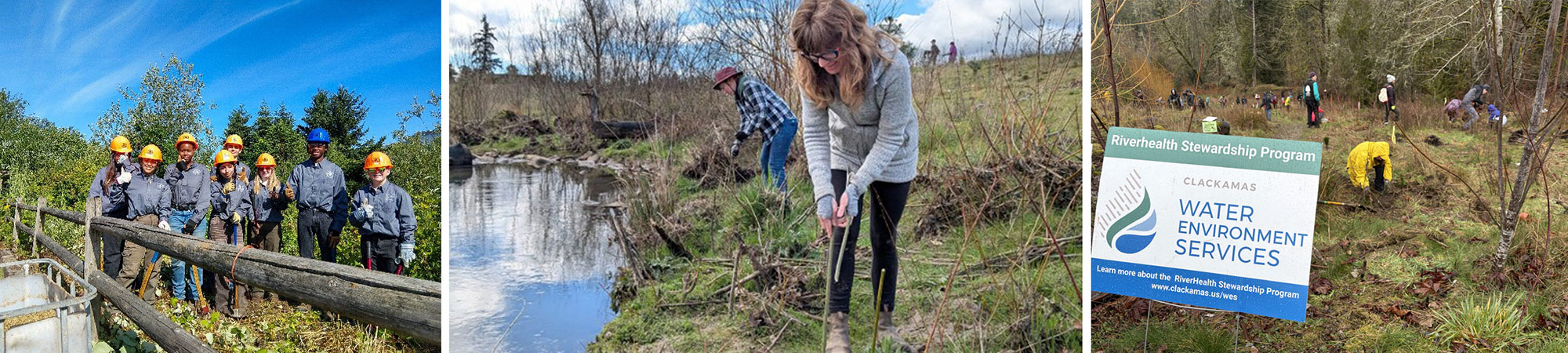
Riparian Restoration Projects
- New acres planted: 11.57
- Number of sites: 40
- Acres of invasives removed: 53.56
- Linear feet of streams worked on: 11,642
- Planted trees: 2,138
- Planted shrubs: 11,766
- Planted herbaceous vegetation: 3,400
- Number of volunteers: 416
- Volunteer hours: 3,206
Education Projects
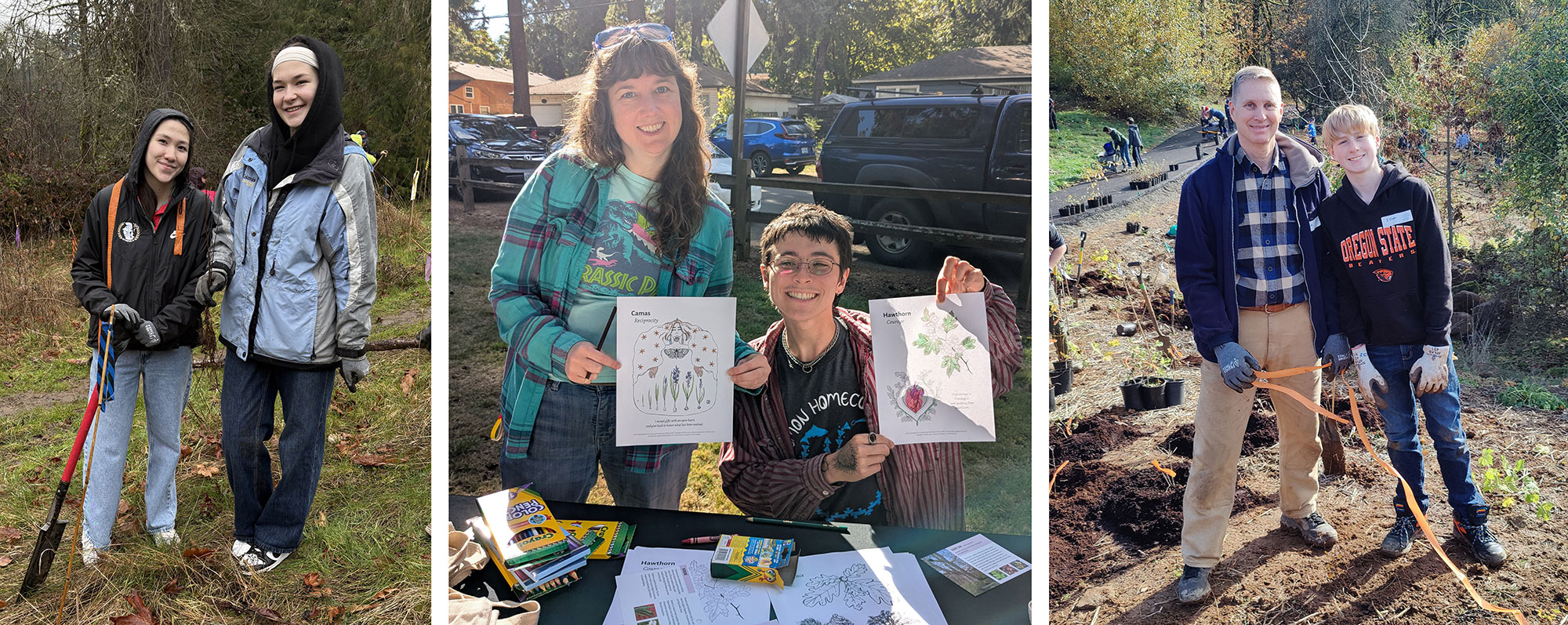
- Number of lessons, field trips, tours: 809
- Number of events open to the public: 87
- Number of adults reached: 219
- Number of students reached: 1,411
The following organizations received a combined total of $330,000 in grant funds in FY 2025-26
Bob’s Red Mill ($20,000) - Restored the 4.56-acre Mill’s End Wetland at its headquarters. The team replaced invasive Himalayan blackberry with a variety of native plants. Their work improved native vegetation, wetland edges, and invasive species control, which helped water quality, biodiversity, and watershed health.
Clackamas River Basin Council ($29,999) - Ran the “Shade Our Streams” program at four sites in the Rock and Sieben Creek watersheds. They restored 4.5 acres of riparian habitat by removing invasive weeds and planting native species. The team also worked with landowners and shared educational content on social media.
Clackamas River Community Cooperative ($30,000) - Reduced erosion on three acres of steep slope in a riparian zone. They replaced invasive plants with a mix of drought- and fire-resistant species, installed coir logs, and extended pipes to the bottom of the slope.
Columbia Land Trust and Bird Alliance of Oregon ($27,175) - Expanded the Backyard Habitat Certification Program. They helped residents become restoration and clean river volunteers by offering education, resources for stormwater management, native planting, invasive weed removal, reducing pesticide use, and wildlife stewardship. About 30 new sites joined the 238 already enrolled.
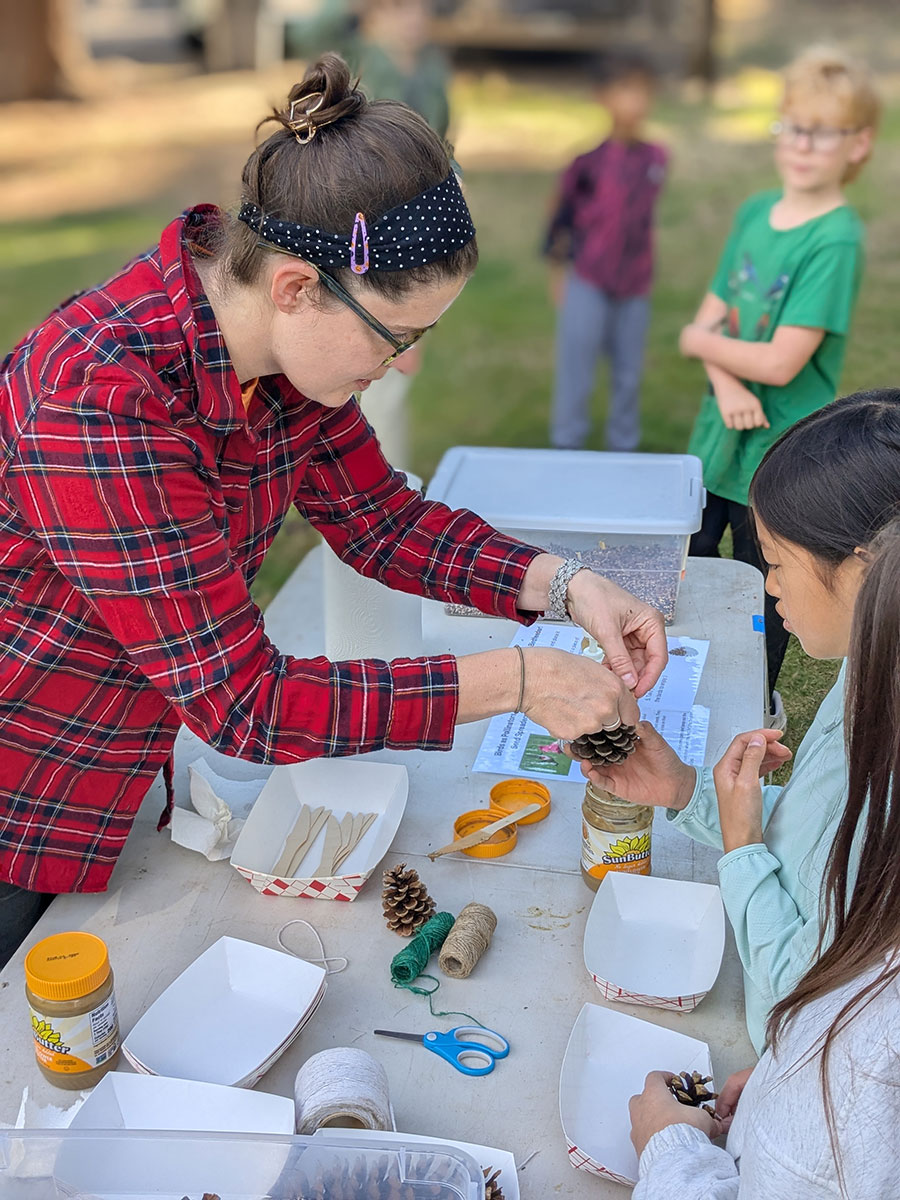
Ecology in Classrooms and Outdoors ($12,000) - Involved students at Whitcomb Elementary and Clackamas High School in hands-on watershed restoration and climate action education. Students learned in the classroom and took part in stewardship activities in rain gardens and wetlands in the Kellogg-Mt. Scott Watershed to restore habitat and improve water quality.
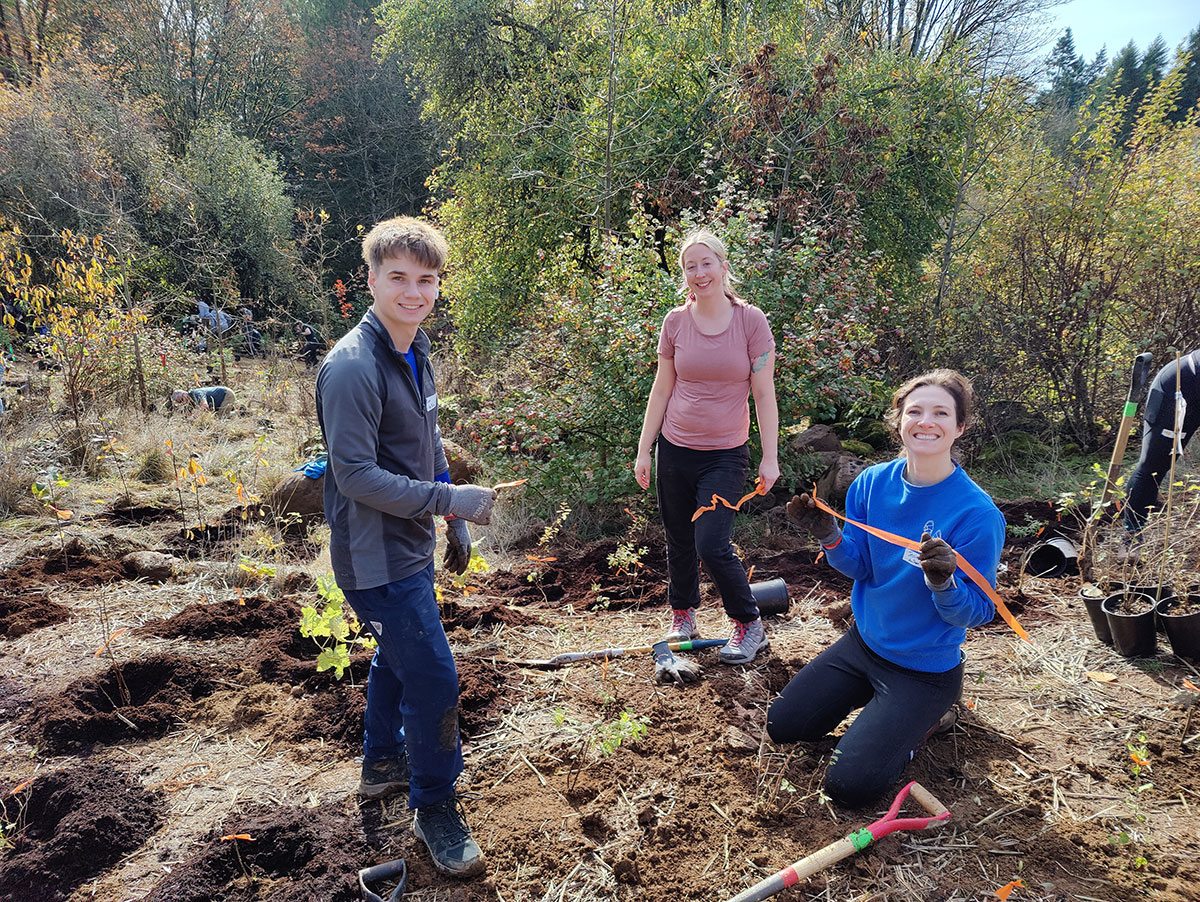
Friends of Trees ($30,000) - Planted native vegetation, supported community stewardship, and led youth watershed education. They organized volunteer planting events at Rose Creek with Oregon Trail Elementary and Sabin-Schellenberg High School, and worked with partners to prepare new restoration sites and maintain existing restoration sites.
Happy Valley Heights Homeowners Association ($29,715) - Continued riparian restoration in natural areas of Happy Valley and Milwaukie, following Watershed Action Plans for the Mt. Scott, Johnson Creek, and Clackamas River basins. Five homeowners’ associations and one private landowner worked together on this project.
Johnson Creek Watershed Council ($23,561) Involved 200 volunteers and six community partners in the annual Johnson Creek Clean-Up, and 250 volunteers in the Watershed Wide planting event to support environmental stewardship. The project also encouraged more private landowners to join the CreekCare riparian restoration program.
North Clackamas Watersheds Council ($30,000) - Continued and expanded riparian restoration at Parmenter Ponds in the Kellogg-Mt. Scott Watershed. They used thermal drone imagery to find cold-water plumes and choose restoration sites, held site visits and workshops for landowners on best practices. Led community workshops on wildfire risk reduction and riparian maintenance.
Northwest Youth Corps ($27,000) - Led restoration and job training in the Rock Creek, Sieben Creek, Johnson Creek, and Kellogg-Mt. Scott Creek watersheds. Youth crews mulched, removed Himalayan blackberry, cut grasses, and pulled broadleaf weeds to maintain previously installed riparian restoration sites.
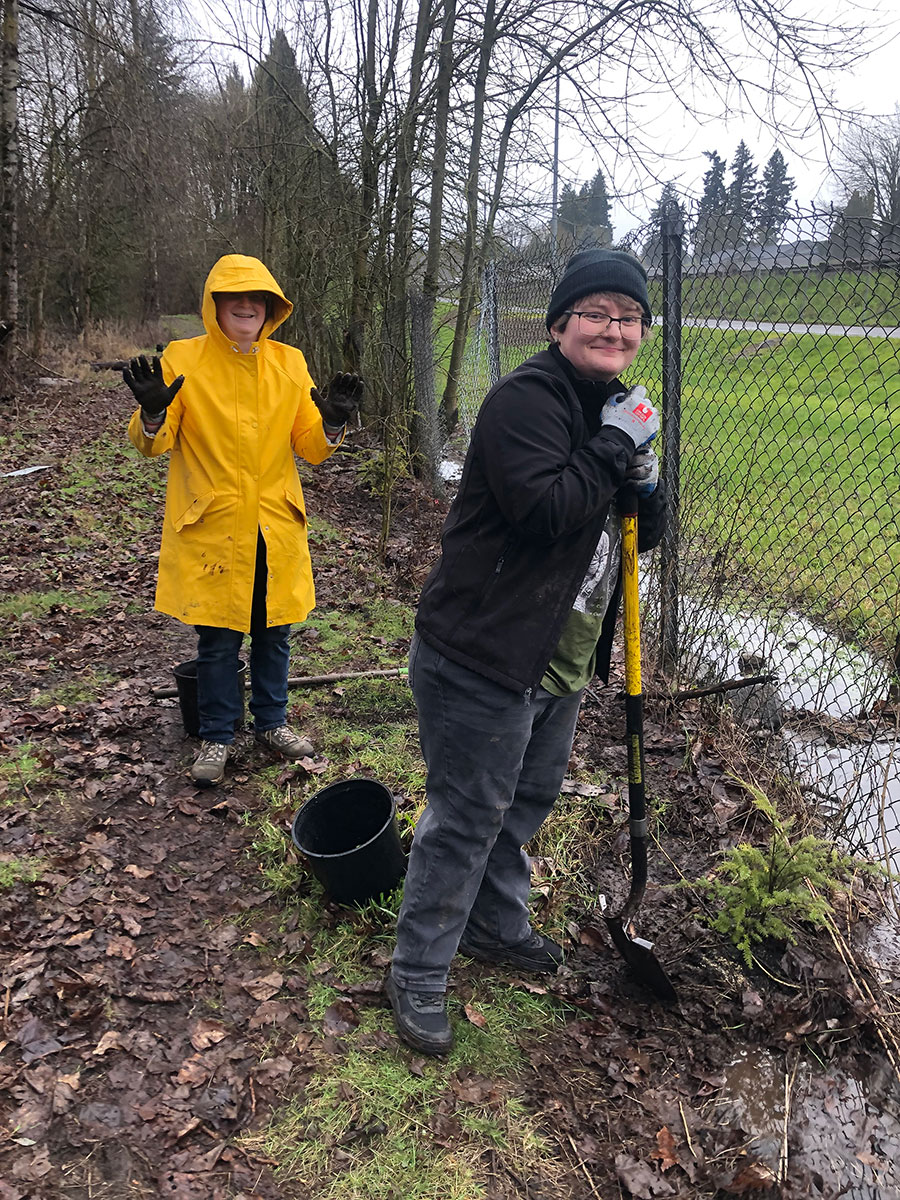
The Wetlands Conservancy ($25,600) - Expanded monitoring and access to survey two more acres inside Hearthwood Wetlands. They worked with the Indigenous Workforce Crew, led by Mad Bears LLC, to clear paths, test water quality, organize volunteer trash cleanups, and involve neighbors from Hearthwood Mobile Home Park.
Tualatin River Watershed Council ($30,000) - Worked with six riparian landowners along Wilson, Saum, and Rock Creek tributaries to improve streamside areas. They removed invasive species, planted native plants, created long-term streamside shade, and encouraged residents to care for their own land.
World Salmon Council ($15,000) - Gave students accessible environmental education about Pacific salmon through the Salmon Watch program. Students took part in field trips and lessons on salmon biology, water quality, macroinvertebrates, invasive species, and riparian ecology. The program also included cultural lessons to help students connect with the environment and learn stewardship.