Clackamas County Home | Site Navigation

Clackamas County, Oregon

About Clackamas County

Geography

Clackamas County, in north central Oregon, is one of the counties that make up the Portland, Oregon, metropolitan area. It is bounded by Multnomah County to the north, Wasco County to the east, Marion County to the south, and Yamhill and Washington Counties to the west. The county encompasses 1,879 square miles (4,866.6 square kilometers)

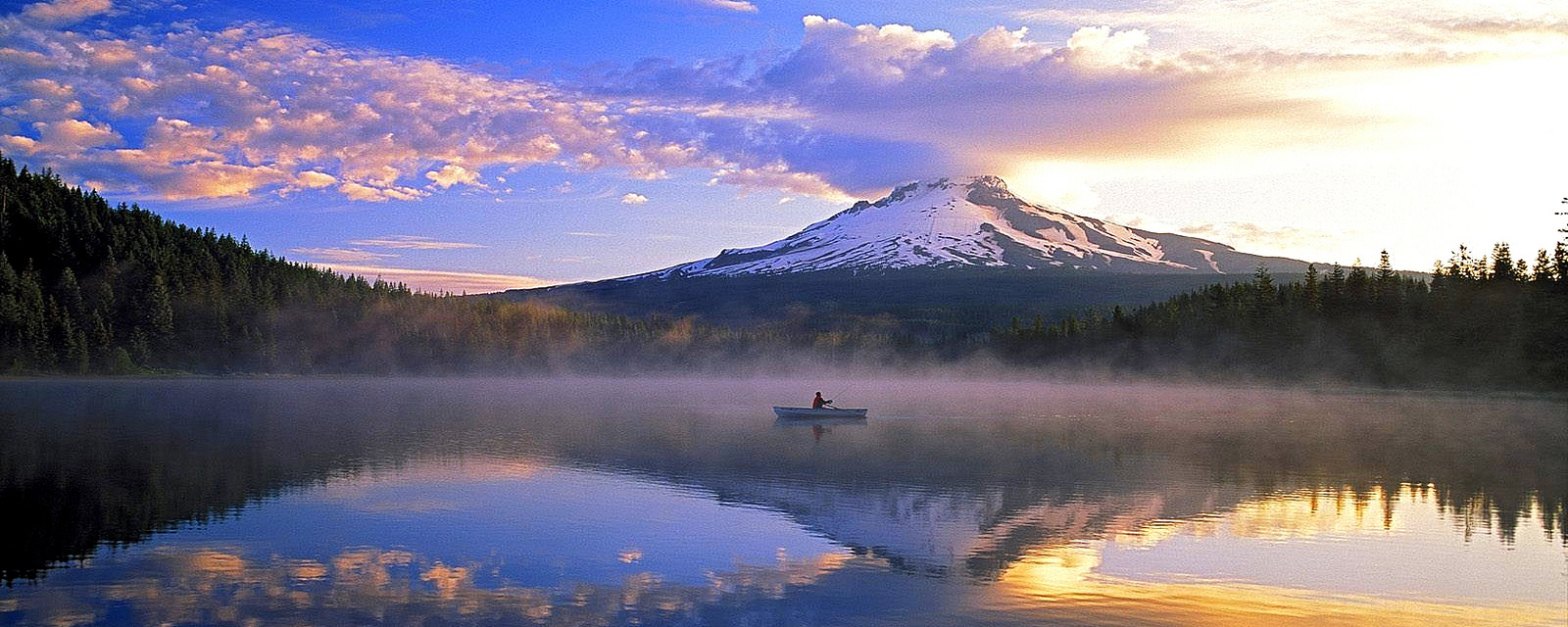
The county's heavily timbered geographical features include the 11,235-foot Mt. Hood, the Mt. Hood National Forest, the Bull Run Watershed and numerous rivers – including the Willamette, Clackamas, Sandy, Pudding, Molalla and Salmon. The population of Clackamas County has steadily increased from 1850. The 2000 population of 338,391 was a 21.35% increase over 1990. The population of the county in 2006 was estimated at 367,040.

Government

The County is governed by a five-member commission that appoints a county administrator. Commissioners are elected to four-year terms. Other county elected officials include a district attorney, assessor, clerk, sheriff and treasurer. The county encompasses all or part of 15 cities and four county urban renewal districts (Clackamas Industrial Area, Clackamas Town Center, Government Camp and the North Clackamas Revitalization Area).

Hamlets and Villages

The nationally recognized Hamlets and Villages program is a grassroots, citizen-driven program developed by Clackamas County following the 2000 Complete Communities Congress.  Over 2,000 citizens participated in the formation of the program and now in continuing operations of the hamlets and villages.

Currently there are three Hamlets - Beavercreek, Mulino and Stafford; and one Village - the Villages at Mt Hood.  Two additional communities voted and decided not to become a Hamlet or Village.  Each Hamlet or Village has a board of directors publicly elected by their community.  The Board is responsible for developing and implementing programs and projects chosen by the communities.

Clackamas County provides a staff liaison and a small operating budget for each Hamlet or Village.  Any additional funding for the organizations comes from donations, fundraising or grants. 

Growth

Approximately one-eighth of Clackamas County’s land area is urban; the remainder is rural. Some of Oregon’s richest farmland is located in areas surrounding the communities of Canby, Sandy, Boring, Wilsonville and Molalla.

Portions of Clackamas County were added to the Portland metropolitan area’s urban growth boundary in 2002 for the communities of Boring, Damascus, Happy Valley, Oregon City and Wilsonville. Big city attractions in downtown Portland, visits to the Zoo, outings to the Portland Opera, business trips to the Silicon Forest and the Portland International Airport are easily accessible via I-205 or I-5. The county will soon be linked to the region’s light rail system through the “green line” that is expected to begin service in 2009.  A strong transportation network with Interstate 5, Interstate 205, Highway 26 and Interstate 84 ties the Clackamas area to the Pacific Northwest and the international markets of Canada, Mexico, Japan and Asia.

Economic Profile

Since its creation in 1843, agriculture, timber, manufacturing and commerce have been the county's principal activities. In recent years Clackamas County business districts and communities continue to grow at a strong rate. The many flourishing businesses include industry leaders in metals, machinery, healthcare, high tech, logistics, forestry, food and beverage processing, renewable energy, nursery/agriculture, tourism and software development. A variety of shovel-ready industrial sites within minutes of interstate and state highways and/or the Portland International Airport make Clackamas County additionally appealing to business and industry.
History

Old Clackamas County Courthouse
This Clackamas County Courthouse was built in 1884. It was demolished in 1935 and was replaced by the current courthouse in 1937. (Letterhead engraving)

(courtesy of the Oregon State Archives)

Clackamas County, named after the Clackamas Indians, was one of four original districts created by the Provisional Legislature on July 5, 1843. At that time Clackamas County covered portions of four present-day states and one Canadian province. In 1844 the Columbia River was made the northern boundary of the county, and the United States-Great Britain Boundary Treaty of 1846 relocated the northern border of both the United States and Clackamas County at latitude 49 degrees. In 1853 an Act of Congress that created the Washington Territory enclosed Clackamas County within the present-day boundaries of Oregon. In 1854 Clackamas County acquired the boundaries it has today.

clackamasOregon City the county seat for Clackamas County, was incorporated in 1844, making it the first incorporated city west of the Rocky Mountains. The area was the terminus for water transportation on the Willamette River and had been a meeting place for Indians, hunters, trappers and Hudson's Bay Company voyageurs for years.

The first major overland immigration to Oregon City occurred in 1842. Three years later Samuel Barlow established an immigrant route that ran from The Dalles, around the south side of Mt. Hood and into Oregon City. The Barlow Road funneled thousands of immigrants into Oregon City and Clackamas County during the 1840s. Oregon City became the primary urban center in Clackamas County, dominating social and political life in Oregon. This changed after the territorial capital was moved from Oregon City to Salem in 1852 and Clackamas lost its access to the Columbia River with the formation of Multnomah County in 1854.

The Clackamas County CourthouseThe Clackamas County Courthouse in Oregon City was completed in 1937. It currently houses state court-related offices. Most county offices are now in the Public Services Building or the Development Services building both located in the Hilltop area of Oregon City.


POPULATION GROWTH OF CITIES


July 2006 Estimate

1990

2000 Census

     Website

Barlow

140

118

140

None available

Canby

14,704

8,990

12,790

www.ci.canby.or.us

Damascus

9,670

N/A

N/A

www.ci.damascus.or.us

Estacada

2,580

2,016

2,371

www.cityofestacada.org

Gladstone

12,210

10,152

11,438

www.ci.gladstone.or.us/

Happy Valley

9,210

1,519

4,519

www.ci.happy-valley.or.us

Johnson City

675

586

634

None available

Lake Oswego

36,350

30,576

35,278

www.ci.oswego.or.us

Milwaukie

20,835

18,670

20,490

www.cityofmilwaukie.org

Molalla

6,830

3,637

5,647

www.cityofmolalla.com/

Oregon City

29,540

14,698

25,764

www.orcity.org

Rivergrove*

350

294

324

None available

Sandy

7,070

4,154

5,385

www.ci.sandy.or.us

Tualatin*

25,650

16,389

22,261

www.ci.tualatin.or.us

West Linn

24,180

7,106

23,820

westlinnoregon.gov

Wilsonville

16,885

13,911

15,880

www.ci.wilsonville.or.us

* Covers two counties: Clackamas and Washington


Highlights

City of Barlow - With a population of just 140, Barlow is the smallest city in the county.

City of Canby - A thriving business, agricultural and residential community of 14,750. The surrounding area contains some of the richest farmland in Oregon. Local nurseries produce a wide variety of plants, bulbs and seeds. Canby has the largest served industrial area in Clackamas County. Its development is actively promoted by the city government. Large employers include Johnson Controls-Battery, Shimadzu, USA, Inc, Pioneer Pump, Willamette Egg Farms, Cutsforth Thriftway, McGill & Son Nursery, JV Northwest, Willamette Falls Hospital, Bowco, Inc., and WW Grigg. Major annual events include the award-winning Clackamas County Fair, General Canby Days and Summer Concerts in the Park. The community is located on the Willamette River and Highway 99E just four miles from I-5.

Clackamas Industrial Area urban renewal district - A 1,187-acre industrial center that is the largest market location for manufacturing, distribution and warehousing firms. Many metals fabricators and other industrial support services and suppliers are located here. Major employers include Tree of Life/Gourmet Foods Northwest, US Reddaway, Safeway, Fred Meyer, Clean-Pak International and Pacific Seafood. Many industrial and business parks accommodate smaller firms and offer space for lease. The area has excellent transportation access via I-205, Highways 212 and 224 and Southern Pacific rail spurs. Area amenities include the 18-hole Sah-Ha-Lee Golf course, numerous restaurants, a nearby commercial district and a community park with access to the Clackamas River.

Clackamas Town Center urban renewal area - A 819-acre regional business center with substantial retail, Class A office/hotel and multi-family development, and has 867,000 residents living within a 10-mile radius. Major developments include the 1.2 million-square-foot Clackamas Town Center Mall. This retail mall is undergoing a major expansion that includes 267,000 square feet of additional retail space, 500,000 square feet of office space, up to 600 apartment units, and a 600-700-space park-and-ride lot. Kaiser Sunnyside Medical Center (and several health clinics), Oregon Institute of Technology and Clackamas Community College have campuses in the area. Convenient transportation access is provided by I-205 and nearby Highways 224 and 212. The Mall is a regional transit center. A new light rail line, connected to downtown Portland, is scheduled to open in 2009.

City of Damascus - Incorporated in 2004, Damascus is Clackamas County’s newest city with a population of 9,670. It was brought into the urban growth boundary of the metropolitan Portland area in 2002.

City of Estacada - a beautiful rural community on the banks of the Clackamas River, just 30 miles from the metropolitan amenities of Portland. This former timber town of 2,580 is the gateway to the Clackamas River canyon. Major employers include Estacada School District, Estacada Lumber, Cascade Utilities Inc., PGE, Estacada Rock Products, Mastertech, Inc., and Seufert Engineering. Outdoor recreation options include kayaking, rafting the rapids, fishing for salmon, steel head and trout in the Clackamas River. Boating and water-skiing are popular on the nearby reservoir. There are also many trails for cross-country skiing, hiking, camping and backpacking in the Mt. Hood National Forest.

City of Gladstone - a well established community of 12,210. Residents are particularly proud of their schools, excellent park system and friendly small town atmosphere. Gladstone is located north of Oregon City at the confluence of the Willamette and Clackamas rivers. The community offers excellent access to employment, shopping and recreational activities. Major employers include a number of car dealerships, the Gladstone School District, Clackamas Rehabilitation & Specialty Care and McCafferty-Whittle Construction.

Government Camp - Nestled on the slopes of Oregon's highest mountain peak, Government Camp is surrounded by Mt. Hood National Forest, which provides a wide range of year-round recreational opportunities and scenic vistas to residents and visitors. Located an hour from downtown Portland and within a few miles of three heavily-used alpine ski resorts, the community has the potential to be the destination recreational and retail center of Mount Hood.

Government Camp Village urban renewal area - Encompasses approximately 8,960 acres on the slopes of Mt. Hood. Formed in 1989 with an assessed value of $24 million, the Government Camp area’s current assessed value is $101 million, an increase of 237 percent. The purpose of the urban renewal area is to target public investments toward revitalizing this mountain community and encourage private developments such as resorts, hotel and condominium units, retail projects, restaurants, recreational facilities and single family homes.

City of Happy Valley - a residential community of 9,210 located on and around Mt. Scott. It is the fastest growing community in the county with a high median household income. Major expansion areas include Eagles Landing, residential and commercial development along Sunnyside Road, and a future employment district in the Rock Creek area. The scenic community is close to I-205 and the booming Clackamas Town Center Area.

City of Johnson City - With a population of 675, Johnson City is located just west of I-205 with easy access to other parts of the county and the Portland metropolitan area.

City of Lake Oswego - home to many of Portland’s business leaders and professionals. The town, with 36,350 residents, is spread over rolling wooded hills and surrounds a large lake. The city is located on I-5 and Highway 43; only minutes to downtown Portland and employment centers in Washington County. The prestigious Kruse Way area, with 863,618 square feet of office space, is the largest office space concentration in the county. Major Lake Oswego employers include Lake Oswego School District, OTAK, Inc., Safeco, Gage industries, Bates Private Capital, Microsystems Engineering, and Waggener Edstrom Inc.

City of Milwaukie - a well established, middle income community with a large industrial base along Highway 224 and Highway 99E. Major employers include Warn Industries, Livebridge, Blount Inc., Cutting Systems Division, United Western Grocers, OECO Corporation and Providence Milwaukie Hospital. The 20,835 residents are located only five miles from downtown Portland along Highway 99E. It is also close to I-205, the Clackamas Town Center and convenient to the Portland airport. Light rail service is planned through the city’s downtown and along Highway 224.

City of Molalla - a small community of 6,830 in the foothills of the Cascade Range and a gateway to the Mt. Hood National Forest. It is located 15 miles south of Oregon City and 13 miles from I-5 with good access to both Portland and Salem. Major employers include Interfor Pacifica, Inc, RSG Forest Products, Brentwood Corp., Scotts Hyponex, Cencast, Inc., NW Polymers, LLC., Safeway Stores Inc., Les Schwab Tire Center and Molalla Steak House & Lounge. The surrounding area is rich in recreation opportunities such as fishing in the Molalla River, hunting and hiking. Molalla is surrounded by farms and rural residential development. The community offers full urban services, good schools, an excellent airport, a scenic golf course, and moderate housing and land costs. Molalla is the proud host of the over 70-year old Molalla Buckeroo Rodeo, the Apple Festival and a miniature steam train at Shady Dell Park.

North Clackamas Revitalization Area - Approximately 1,008 acres in unincorporated Clackamas County between Milwaukie and Happy Valley basically bounded by the Clackamas/Multnomah County line on the north, Milwaukie city limits on the west, Monroe Street on the south and 82nd Avenue/Interstate 205 on the east.

To support the development of the North Clackamas area community, including the Overland Park neighborhood, as a safe, clean and affordable mixed use residential neighborhood that provides retail, economic, educational, transportation and recreational opportunities, and a sense of identity and place for its diverse citizenry.

Assessed Value: $357 million in 2005 (within proposed boundary)

The established neighborhoods in the NCRA are among the more affordable places to live in the County, but there are long-term infrastructure problems that need to be resolved.  The plan includes projects in a number of areas to improve the livability of the area, including:

  • public utilities;
  • public parks and open spaces;
  • public buildings and facilities;
  • street, curb and sidewalk improvements;
  • streetscape and neighborhood beautification;
  • preservation and rehabilitation of housing and commercial property, and
  • development and redevelopment of housing and commercial property

City of Oregon City - the oldest city west of the Mississippi River and the county seat, located at the “End of the Oregon Trail,” with museums, historic homes and buildings. The 29,540 residents live at the confluence of the Willamette and Clackamas rivers, near I-205 and Highways 99E and 213. Major employers include Clackamas County Government, Clackamas Community College, Willamette Falls Hospital, Blue Heron Paper Co., Miles Fiberglass & Composition and Home Depot, Inc.

City of Sandy - a small community of 7,070 on Highway 26 with stunning views of Mt. Hood and the Sandy River. The surrounding area is home to some of the largest nursery growers in the state and the city’s industrial base is expanding. Major employers include Oregon Trail School District, Safeway Stores Inc., US Metal Works Inc., Quality Tank Construction, Web Steel, Buildings, G & L Screw Machine Products, Inc., Konnel Construction, Firwood Medical Center, Eclectic Institute Lab, Suburban Ford and Fred Meyer. The town is located only 10 miles from Gresham and a few minutes more to the large urban population of east Multnomah County. Sandy is also within 30 minutes of year-round downhill skiing at Timberline Ski Resort and other recreational activities in the Mt. Hood National Forest.

City of West Linn - a residential community of 24,180 overlooking the Willamette and Tualatin rivers with scenic views of Mt. Hood. It has good access via Highway 43 and I-205 to Oregon City, Tualatin and Lake Oswego. Major employers include West Linn Paper Co., SmithKline Beecham, Zupan's Markets, Oregon Golf Club and Parr Lumber Co. West Linn has become a popular upper-middle income city that attracts small businesses and professionals. There are limited commercial and industrial opportunities. The Camassia Natural Area in West Linn is an ecological preserve that contains many unique and endangered plants.

City of Wilsonville - a relatively new city of 16,885, and a major regional employment center, home to corporate headquarters and distribution firms. Its prime location, just south of Portland on I-5 near the I-205 junction, is a major attraction. The largest employers include Xerox, Precision Interconnect Corp., Mentor Graphics, Sysco Food Services of Portland Inc. and InFocus Corporation. Wilsonville is the only city in the county that has more jobs than residents. Other amenities include fully served industrial land, many industrial parks, some rail service and suburban office buildings.