Alert
Evacuation notices have been issued for the areas around the Austin fire READ MORE

Disaster Management

Disaster Management

Flooding Safety for Pets and Livestock

There are serious risks that rising water poses to both household pets and livestock. 

For livestock that need to be transported due to flooding, owners can transport their livestock to the Clackamas County Fairgrounds. Enter through the red gate.

Floodwaters can contain dangerous debris, sharp objects, contaminants, and fast-moving currents that place animals at high risk for injury, drowning, or exposure to harmful bacteria and chemicals. Even a few inches of moving water can sweep animals off their feet, and standing water can hide hazards such as downed fencing, holes, and displaced wildlife.

If you live in an affected area:

  • Keep pets indoors and away from floodwater
  • Ensure all animals have access to safe, dry shelter

For livestock:

  • Move them to higher ground as early as possible
  • Provide clean drinking water—floodwater is not safe for consumption
  • After water recedes, monitor all animals closely for signs of illness, lameness, or hypothermia, and contact your veterinarian if concerns arise.

Preparing a basic evacuation plan for both pets and livestock can make a critical difference during emergencies. Keep carriers, halters, identification, and a supply of food and medications readily accessible. Staying proactive and aware helps protect the animals who depend on us most.


Sidebar Heading
Related Information
New Format?
Off

Evacuation Planning

Clackamas County is working to improve evacuation planning. 

This multi-year effort looks at how different hazards affect roads and transportation systems, so evacuations can be carried out quickly and safely. Outreach to all residents in Clackamas County, with a special focus on rural residents, non-English-speaking communities, and other underserved groups, was a priority to ensure evacuation information is:

  • Clear and consistent across jurisdictions
  • Available in multiple languages
  • Accessible and culturally relevant
  • Focused on equity, safety, and resilience

Project phases

Phase 1 – Baseline assessment (2023)

  • Created a GIS-based risk inventory
  • Reviewed roads, land use, hazards, demographics, natural features, and key community locations
  • Identified preliminary evacuation zones and routes

Phase 2 – Mapping zones and routes (2024)

  • Worked with local cities and special districts to review and refine maps
  • Coordinated across city, county, regional, and state jurisdictions
  • Final evacuation maps and routes completed in February 2024

Phase 3 – Public engagement and education (2025)

  • Gathered community input about evacuation experiences, preparedness, and concerns, through:
    • Online surveys
    • Focus groups in rural areas
    • One-on-one interviews with community leaders
  • Identified communication preferences and gaps in evacuation preparedness and during incidents that require evactuation
  • Launched the public education campaign Be ClackGO Prepared in May 2025

Why this matters

Recent disasters showed the need for predefined evacuation zones and routes so officials can issue clear evacuation levels quickly.

For the full report, contact ccdm@clackamas.us

Sidebar Heading
Related Information
New Format?
Off

Know Your Evacuation Routes

Access the Evacuation Planning Maps below to know your routes. Print a copy for your ClackGO Kit!


Don't see your community listed or want to explore your neighborhood? Check out the interactive Evacuation Map.
This interactive map lets you enter your address to explore your roadways and neighborhood.

Our community is stronger when we prepare together. Take these steps now to help get your family ready and be ClackGO Prepared!

Sidebar Heading
Related Information
New Format?
On

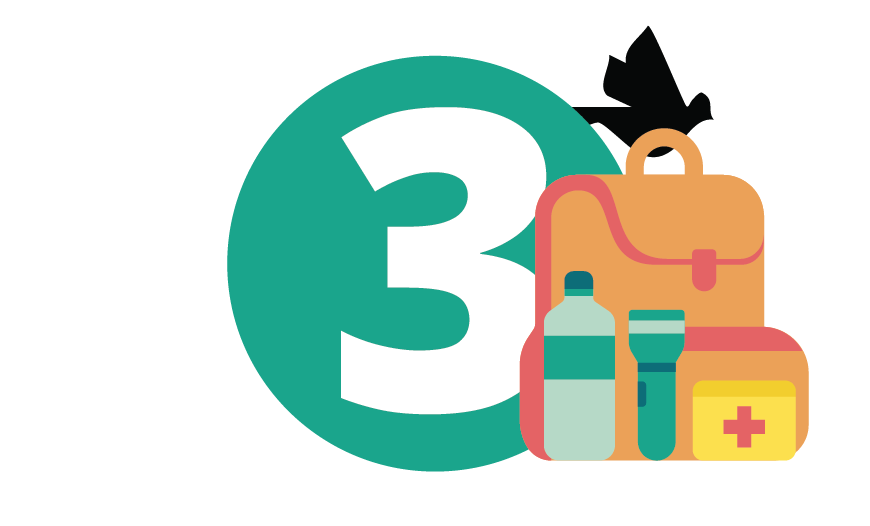
Build Your GO Kit

Being prepared means being equipped with the proper supplies you may need in the event of an emergency or disaster. Keep your supplies in an easy-to-carry emergency preparedness kit that you can keep at home and take with you in case you must evacuate.

What do you need in your GO kit?

At a minimum, you should have the basic supplies listed below.

Water: one gallon per person, per day (3-day supply recommended for evacuation)

Food: non-perishable, easy-to-prepare items, and a can opener (3-day supply recommended for evacuation)

Blankets or sleeping bags

Frozen cold packs or water bags/bottle to keep food and medicine cold until you can get ice or refrigeration

Flashlight or headlamp

Battery-powered or hand-crank radio

Battery-powered watch or clock

Extra batteries for all supplies, including for medical equipment and oxygen tanks

First aid kit

Multi-purpose tool

Sanitation and personal hygiene items

Copies of personal documents

medication list and pertinent medical information

proof of address

deed/lease to home

identification, including passports, birth certificates, and state issued ID

insurance policies

financial records

Cell phone with chargers, including a car and/or solar charger

Family and emergency contact information

Extra cash

Emergency blanket

Printed map(s) of your neighborhood and area

After you gather those basic supplies for your kit, add unique things each member of your family may need, such as:

Medical supplies (if applicable): such as hearing aids with extra batteries, glasses, contact lenses, syringes, etc.

Medications (if applicable): 7-day supply

Pet supplies (if applicable):

collar and leash

food

carrier

bowl

Baby supplies (bottles, formula, baby food, diapers)

Games and activities for children

Two-way radios

Extra set of car keys and house keys

You should also consider adding these things to your kit:

Whistle

N95 or surgical masks

Matches

Rain gear

Towels

Work gloves

Tools/supplies for securing your home

Extra clothing, hat and sturdy shoes

Plastic sheeting

Duct tape

Scissors

Household liquid bleach

Entertainment items, like games and cards

(Based on Red Cross Survival Kit Supplies list)

Our community is stronger when we prepare together. Take these steps now to help get your family ready and be ClackGO Prepared!

Sidebar Heading
Related Information
New Format?
On

Be ClackGO Prepared!

Our community is stronger when we prepare together.

Take these steps now to help your family Be ClackGO Prepared!

How to Get Ready

Find evacuation maps, checklists, guides, and resources to help prepare your family, neighbors, and community.

Sidebar Heading
Related Information
New Format?
On