Translate





Keeping it Healthy and Protecting the Environment
Did you know pesticides can affect human health and the environment, even when they’re used according to the label? Rain, irrigation, and leeching (when chemicals soak into the earth), can bring those chemicals into our waterways. Once in the water, pesticides can contaminate drinking water and harm fish, birds, pollinators, and other wildlife.
A healthy, beautiful lawn doesn’t need pesticides or harsh chemicals. Learn about smart, time-tested lawn care practices to keep your lawn healthy and protect the local environment.
U.S. homeowners apply more than 90 million pounds of chemicals to their lawns and gardens annually. These can hurt plants and wildlife that aren’t the intended target.
Be Our Partner in Protecting Our Waterways
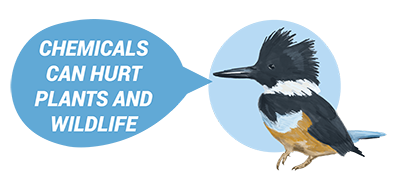
We all share responsibility for protecting our local creeks, the Willamette, and the Clackamas rivers. Pesticides can hurt animals and our drinking water supply in Clackamas County and across Oregon.
When you choose safe lawn care practices, you protect wildlife and safe drinking water for all Clackamas Residents. Here’s how:
1. Consider Grassy Areas
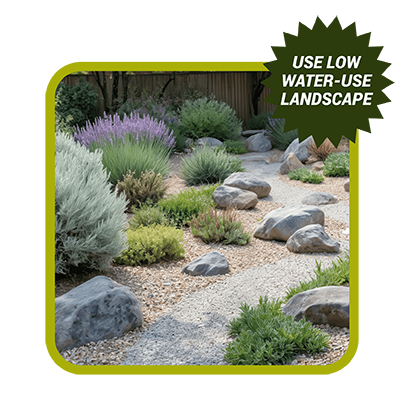
A lawn requires more water and maintenance than most other plants. Before deciding to invest time, money, and water into your lawn, consider alternatives. Ask yourself, if it is practical, functional, and if you can convert a portion of it to a low water-use landscape.
If you decide to devote part of your lawn to native plants, you can view our Native Plants for Willamette Valley Yards. You can also consider lawn alternatives like:
- Eco-lawn seed mix
- Yarrow
- Creeping thyme
These are low-growing, drought-friendly plants. Read more about eco-friendly plants.
2. Mow, Stay Sharp, Prune, and Aerate
Now, let’s say you decide to keep your grass. Below are critical lawn care tips for naturally healthy grass:
- Mow at 2–3 inches and leave clippings. This is because taller grass develops deeper roots, making your lawn more drought tolerant. Leaving clippings help to share the soil, retaining moisture and suppressing weeds.
- Keep lawnmower blades sharp for clean cuts. Jagged cuts in your grass invite pests and disease.
- Fertilize your lawn only if needed and ideally in the fall. Consider natural fertilizer like compost.
- Prune flowers and bushes to avoid overcrowding, which promotes pests.
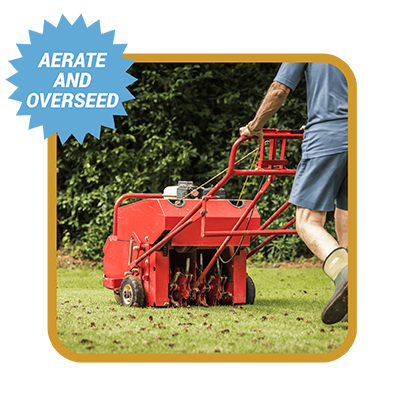
- Aerate and overseed in spring or fall to keep turf thick. Aeration is the process of poking holes in your lawn to allow air, water, and nutrients to better reach the roots. Here are details on how to do it.
- Remove dead grass that’s built up between your green grass and your soil. This is called “dethatching,” and it helps your grass breathe.
3. Manage Weeds Early
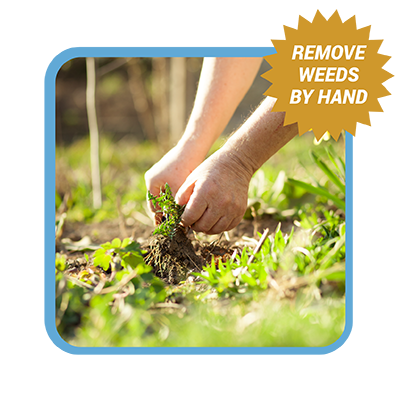
Before you decide to use chemicals to remove weeds, consider whether you can live with a few weeds. If you can’t, here’s what to do:
- Remove weeds by hand or with tools before they spread.
- Mulch areas not impacted by the weeds and use weed block fabric to prevent weeds from sprouting in those areas.
4. Use Natural Ways to Repel Insects and Pests
- Ask your local garden center or hardware store for plant-based insecticides like Neem oil and pyrethrins.
- Use fragrant plants that repel insects. These include marigolds, feverfew, basil, sage, dill and fennel are avoided by many insects.
- Wash insects away with a hose or spray them with soapy water in a spray bottle.
How to More Safely Use Pesticides
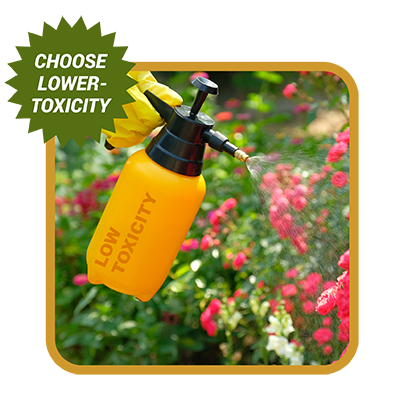
If you choose to use pesticides on your lawn or plants, here are our recommendations:
- Choose lower-toxicity or OMRI-labeled options. Learn more about USDA’s allowed and prohibited substances.
- Use pesticides that target specific pests rather than broad formulas that kill beneficial insects. Some insects, like lady beetles and parasitic wasps, naturally control harmful pests.
- Only apply in calm, dry weather. Avoid windy and wet days.
- Keep people and pets away during and after application.
- Use well-maintained equipment to prevent overapplication
The Bottom Line
Build a dense, healthy lawn and landscape first. Most weed and pest problems can be prevented through proper lawn care and maintenance. When necessary, use the least-toxic option and only put it where it is needed.
Here are more resources to help you

- Oregon State University’s (OSU) Integrated Pest Management gives best practices to manage pests while protecting people, property and the environment.
- OSU’s Pacific Northwest Weed Management Handbook provides guidance on best practices for safer weed management.
- OSU Extension Service Solve Pest Problems website provides residents with low-risk solutions to address weeds and pests.
- OSU Extension Service What’s Your Lawn Style? offers tips for a safe and healthy lawn from experts.
- OSU Extension Service Master Gardener offers solid training in science-based, sustainable gardening and a love of lifelong learning.