Translate



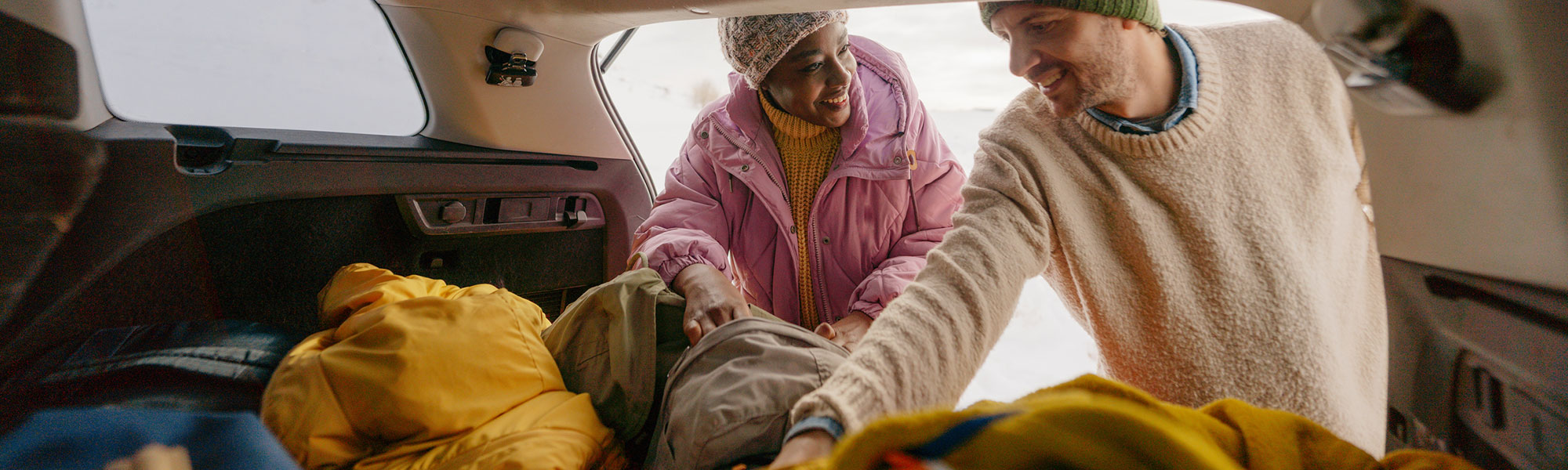

Stay warm and dry
Some tips for staying safe and warm when the weather turns cold!
- Wear mittens (not gloves), wind-proof, water-resistant, many-layered clothing, two pairs of socks (avoid cotton) and a scarf and hat that cover the ears.
- Drink warm liquids (avoid alcohol as it can lower body temperature).
- Change out of wet clothes as soon as possible to avoid frostbite and/or hypothermia. See last page for signs and symptoms.
Stay Informed
- Weather can change fast! Be informed so you can prepare.
- Sign up for local alerts.
- Download apps like FlashAlert and 211info.
- Follow local news and watch for communications from utility providers.
- Monitor changes at the National Weather Service.
Stay prepared
- Be ready if the power goes out.
- Gather flashlights and extra batteries.
- Store extra food (canned foods, crackers, hard cheeses, bars and nuts) and a can opener.
- Test carbon monoxide detectors and replace batteries, if needed.
- Make sure that insurance policies are up to date (home, auto, renters and health).
- Make a plan with your doctor if you have a power dependent medical device. If your medical needs require electricity, look into your power company’s medical certificate program.
- Make a plan with your doctor if you need dialysis, chemotherapy, radiation or other inpatient treatments.
- Make a plan with your friends, family or neighbors to check in with each other during bad weather.
Stay safe indoors
Snow and ice can make travel dangerous. If possible, stay home.
- If using a fireplace, make sure vents and flues are open and clear.
- Don’t plug space heaters into extension cords or place on anything that could catch fire.
- Don’t burn trash, as it may be toxic.
- To avoid carbon monoxide poisoning, only use generators outdoors and at least 25 feet from open doors and vents. Never use charcoal/gas grills or portable gas camp stoves indoors and never use a gas range or oven for heating. See last page for signs and symptoms of carbon monoxide poisoning.
Stay safe outdoors
If you have to go outside, consider these tips and tools:
- Cover skin and limit time exposed to cold.
- Wear shoes with good support and traction.
- Take small careful steps — “shuffle walk.”
- Use handrails when possible.
- Take breaks if shoveling snow.
- Take public transportation, if possible.
Stay safe on the roads
Be informed and pack a kit for your car.
- Call 511 or visit TripCheck for the latest road conditions.
- Make sure your gas tank is full and your car kit has the following:
- Jumper cables
- Reflective triangle or flares
- Ice scraper, snow shovel and brush
- Cell phone charge and paper maps
- Cat litter or sand for help with traction
- Winter blanket, clothes and shoes
- Snacks and water
- Rope for towing
- First aid kit
- Traction devices like chains or tire socks
Need support?
- If you have a medical emergency, call 911. Don’t delay care because of snow or ice.
- Call 211 or 1-866-698-6155 (TTY 711) or go to 211info.org for resources.
- Find free nutritious food at foodfinder at Oregon Food Bank.
- Find free winter clothing.
- If you need electricity due to a medical need, you may be able to enroll in PGE’s medical certificate program. Call the program at 503-612-3838, Monday through Friday, 8 a.m. to 5 p.m. or go to their website for more information.
- Feeling overwhelmed? It’s okay to ask for help. Call 988 (TTY: 1-800-799-4TTY (4889)), text OREGON to 741741 or visit 988lifeline 24 hours a day, seven days a week.
Health conditions to watch out for in cold weather
Carbon monoxide poisoning
Signs and symptoms:
- Shortness of breath
- Headache
- Lack of coordination
- Nausea
- Dizziness
- Vomiting
- Chest pain
- Confusion
What to do: Get the person into fresh air immediately if safe to do so. Call 911.
Hypothermia
Signs and symptoms:
- Shivering
- Exhaustion or feeling very tired
- Confusion
- Fumbling hands
- Memory loss
- Slurred speech
- Drowsiness
- Fast heartbeat
- Breathing faster than usual
- In babies, signs include:
- Sluggishness
- Poor feeding
- Weak cry
- Pale, cool skin
- Trouble breathing
What to do: Take the person’s temperature. If below 95 degrees, get medical attention immediately! Try to warm person up with blankets and warm compresses. Remove any wet clothing.
Frostbite
Signs and symptoms:
- Tingling, prickling feeling
- Skin that appears red, white, bluish-white or grayish-yellow
- Skin that feels unusually firm or waxy
- Numbness
What to do: If you notice signs of frostbite, seek medical care and remove any wet clothing. If you are not able to get medical help right away, slowly rewarm the skin using warm (not hot) water or body heat (for example, placing frostbitten fingers under armpits). Do not rub frostbitten areas, as this can cause further damage.