Translate




When in doubt, always call 9-1-1. For non-emergencies, call 503-655-8211.
Emergency calls may include reports of:
- any emergency where life or property is in immediate danger
- injury requiring immediate medical attention
- fire (not a controlled burn pile or other controlled fire)
- crime in progress
- serious traffic accident
- violent dog has attacked a person (not just running at large)
- driver is dangerously swerving on the road
- someone is playing with guns
What to Expect When Calling 9-1-1
During any emergency, staying as calm as possible helps you get the fastest and most accurate assistance. Speak clearly, answer the call-taker’s questions, and stay on the line until you are told to disconnect.
What the Call-Taker Will Ask
When you call 9-1-1, the call-taker will:
- Ask for the address or location of the emergency. Be prepared to confirm it.
- Ask whether you need police, fire, or medical assistance.
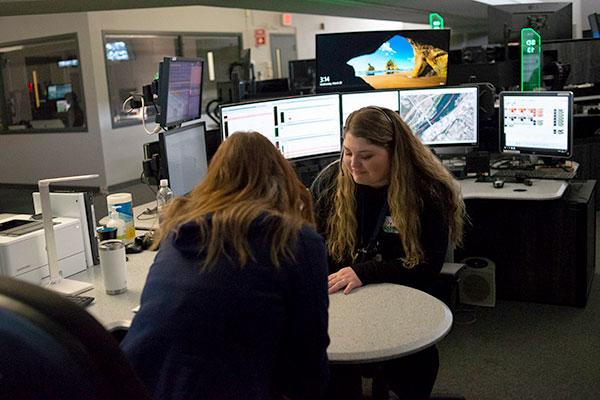
- Ask a series of questions to help responders understand the situation and get you the right help.
Call-takers verify addresses as a safety measure to avoid sending responders to the wrong location.
Police Emergencies
You may be asked about:
- What is happening right now
- Whether weapons or alcohol/drugs are involved
- Where suspects are located
- Descriptions of people or vehicles
Fire Emergencies
You may be asked:
- What is burning
- Whether flames or smoke are visible
- Whether buildings are threatened
- Approximate size of the fire
- Whether hazardous materials are involved
If you are reporting a fire from inside your home, evacuating is the priority. Call-takers will dispatch help immediately.
Medical Emergencies
Expect questions about the medical problem, symptoms, and condition of the patient. This helps responders bring the right equipment and personnel.
Calling 9-1-1 From Different Types of Phones
Cell Phone
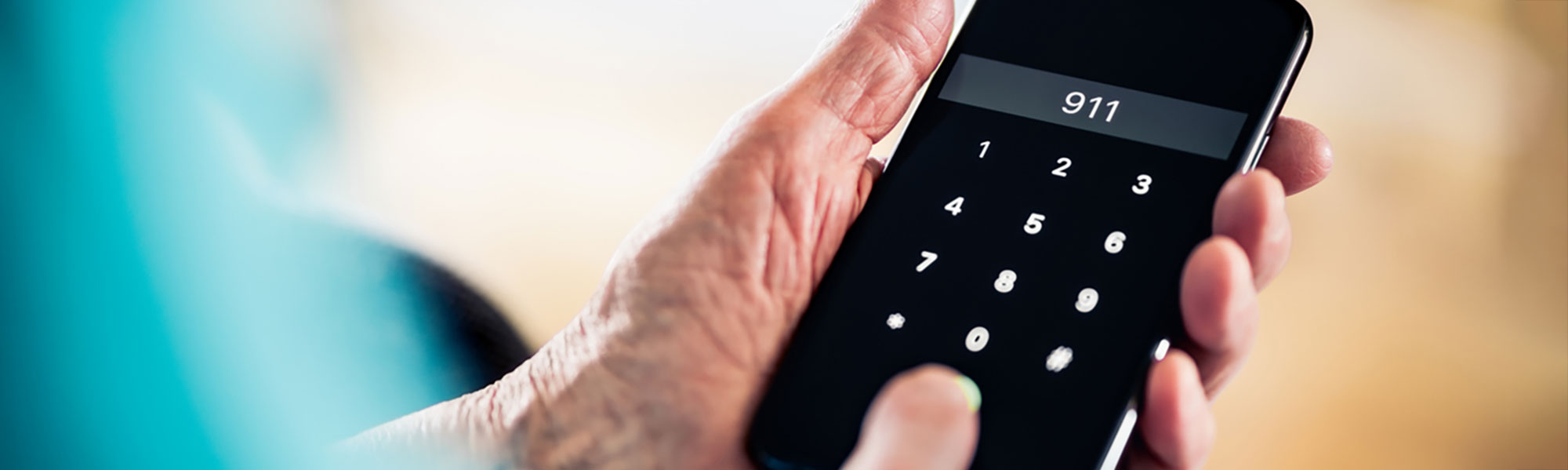
- Be prepared to say “help” or press 1 to reach a dispatcher.
- Know your location. Cell phones provide approximate coordinates, but they can be inaccurate or missing.
- When calling from a cell phone in Clackamas, Multnomah, or Washington counties, you will first hear a recording prompting you to say “help” or press 1. Instructions play in English and Spanish.
This system filters out accidental calls — about 20% of cell calls to 9-1-1 are pocket dials.
If your call reaches the wrong 9-1-1 center, dispatchers will transfer you to the correct location.
Landline (Home Phone)
Dial 9-1-1 directly. Your call connects straight to a call-taker in Clackamas County.
PBX/Business Phone
You may need to dial 9-9-1-1 depending on your system. If you normally dial 9 for an outside line, check with your employer or phone provider to confirm.
VoIP / Internet-Based Phone Systems
Before choosing a VoIP service, understand the following limitations:
- Some VoIP systems do not automatically support 9-1-1. You may need to activate this feature before it works.
- Not all VoIP providers route calls to actual 9-1-1 dispatchers. Some route to a general non-emergency number, which may be busy or delayed.
- Emergency responders may not be able to find you if the call drops, fails, or cannot transmit your location.
- Power or internet outages will disable your VoIP phone, including its ability to call 9-1-1.
- Network congestion can slow or affect routing of VoIP 9-1-1 calls.
- If others in your home or business do not know how to use your VoIP system, they may not be able to call 9-1-1 in an emergency.