 Translate




Disaster Management collaborates with County staff, regional and local governmental agencies, non-governmental organizations, businesses, volunteer groups, community members and Tribal governments to promote disaster preparedness, identify and reduce the risk of hazards, develop emergency response and mitigation plans, coordinate emergency response activities and provide training for all incident personnel.
While working to maximize the safety of the community, and minimize property loss and damage to the environment, we operate in the following areas:
- Preparedness: A continuous cycle of planning, managing, organizing, training, equipping, exercising, creating, evaluating, monitoring, and improving activities to ensure effective coordination and capabilities to prevent, protect against, respond to, and recover from the effects of natural or human-caused disasters.
- Mitigation: The effort to reduce loss of life and property by lessening or eliminating the impact of disasters through prevention.
- Response: The coordination and mobilization of life-safety, emergency services and first responders to an impacted disaster area.
- Recovery: The coordination and mobilization of services to restore, rebuild, and repair the affected area to its pre-disaster state after immediate, life-safety needs are addressed.
Sign up for emergency alerts and follow us on social media

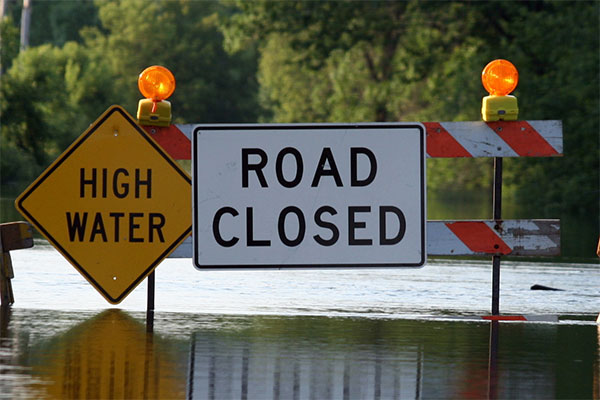
Extreme Weather Preparedness

Preparedness Resources
- Prepare! A Resource Guide: A detailed booklet about specific disasters developed by the Cascade Region chapter of the American Red Cross.
- Make a Family Plan: You may not be together when disaster strikes, so it's important to know how you'll reconnect if separated.
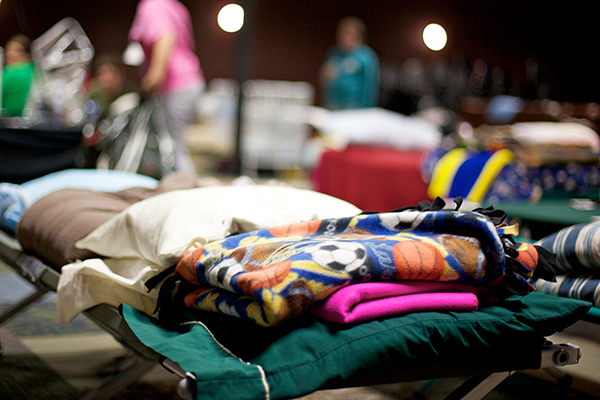
- Emergency Supply Kit: Being prepared means having your own food, water and other supplies to last for several days. Disponible en español.
- Plan for Animals: When preparing for an emergency, consider pets and livestock needs too.
- Toilet Plan: After a strong earthquake, we may need to know how to live without running water and working toilets for weeks or months.
- Planning for Your Business: There is much that a business leader can do to prepare their organization for the most likely hazards.
- Creating Defensible Space: Prepare your property for wildfires.
- Be "ClackGo Prepared": Our community is stronger when we prepare together.
Potential Hazards
Review the Clackamas County Hazard Analysis to identify the types of disasters that are most likely to occur.











Publications
Our staff complete and review emergency preparedness and response plans outlining how the county will prepare for and respond to emergencies establishing a comprehensive, whole-community approach to protect the life, safety and health of the community.
A framework that provides guidance for coordinated preparedness, response, and recovery activities in the county.
Natural Hazard Mitigation Plan
THE NHMP helps the county plan for actions that can lessen the impact of natural disasters.
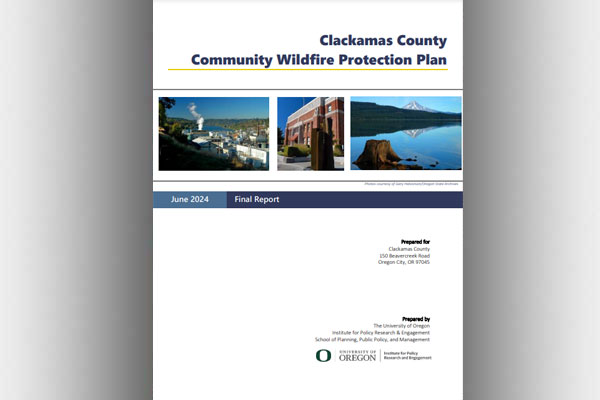
Community Wildfire Protection Plan
A reference documenting wildfire hazards, prevention and response efforts, and resource- sharing information.
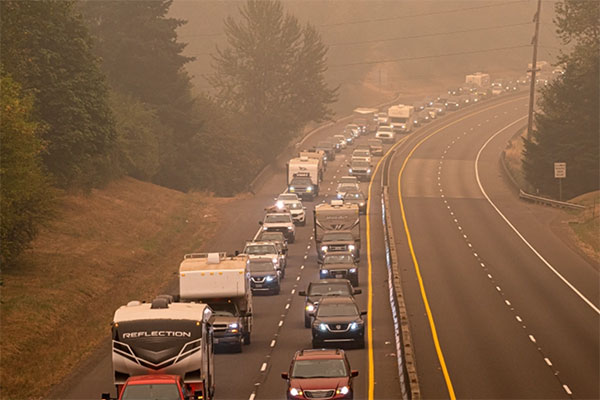
After recent disasters, Clackamas County identified the need to conduct evacuation planning that considers the impact of multiple hazards on the community's transportation networks.
Disaster Dispatch Newsletter
Emergency Operations Center
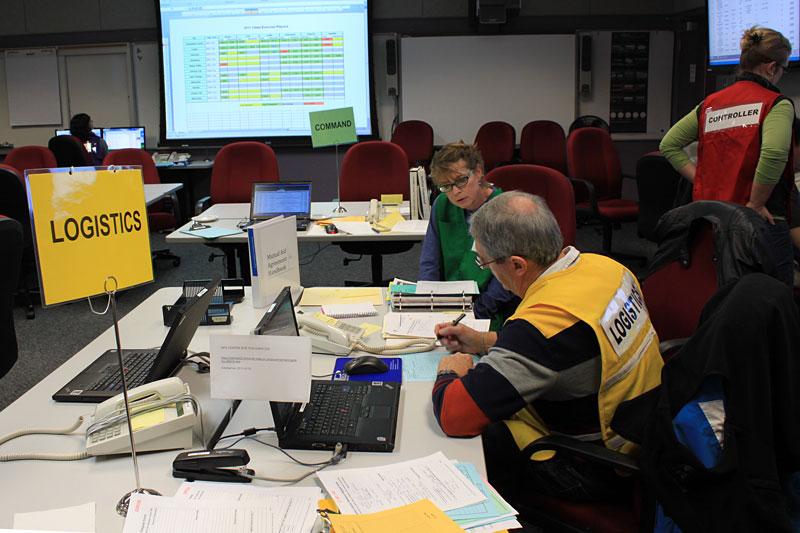
When activated, the Emergency Operations Center (EOC) provides a central location from which local government can manage disaster response in the county.
- Gathers information about the situation
- Prioritizes the use of limited resources
- Coordinates with multiple organizations and agencies
- Provides public alerts, warnings and information
- Determines recovery priorities
Disaster Help
- Shelter-In-Place (PDF from the Red Cross)
- Volunteering to Help
- Potential Property Tax Relief (PDF from the Department of Revenue)
Staff List
- Daniel Nibouar
Director
dnibouar@clackamas.us - Jamie Poole
Deputy Disaster Manager
jpoole@clackamas.us - Carolyn Bonoff
Community Planning Coordinator
cbonoff@clackamas.us - Brenna Cruz
Operations Coordinator
bcruz@clackamas.us
- Aaron Fox
Operations Coordinator
afox@clackamas.us - Aryka Hanto
Administrative Specialist 2
ahanto@clackamas.us - Jonny Lewis
Training and Exercise Coordinator
jlewis@clackamas.us - Emily Murkland
Community Planning Coordinator
emurkland@clackamas.us
- Francis Pastorelle
Community Planning Coordinator
fpastorelle@clackamas.us - Scott Porter
Community Planning Coordinator
sporter@clackamas.us - Jay Wilson
Resilience Coordinator
jaywilson@clackamas.us