Translate




Fluorescent lamps are energy-efficient, long-lasting, and can be recycled—but they contain mercury and must be handled carefully to protect public health and the environment.
Identify Fluorescent Lamps
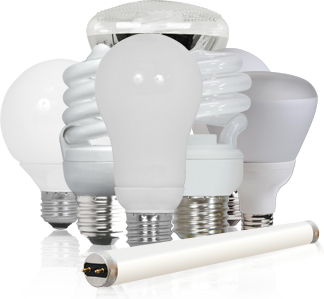
Includes:
- Compact fluorescent lights (CFLs)
- Linear tubes, U-tubes, circular tubes
- UVA bulbs
- High-intensity discharge lamps (mercury vapor, metal halide, high-pressure sodium)
- Neon lighting
Create a Lamp Recycling Plan
- Assign responsible staff: Know regulations and good management practices. Contact DEQ at 503-229-5913 if unsure.
- Store lamps properly:
- Use cardboard boxes (original box works well).
- Do not tape or rubber-band lamps.
- Keep in a safe, dry location.
- Label boxes with handling instructions.
- Choose a recycling method:
- Property manager recycling program
- Mail-back service
- Local recycling facility
- Assign collection responsibility: Determine who takes full boxes to recycling.
- Educate staff: Show collection areas and proper handling.
Where to Recycle
Drop-off Locations
- Batteries Plus locations
- Pride Disposal Co.
13910 SW Tualatin-Sherwood Rd, Sherwood
503-625-0725
Pick-up Services
- Environmental Protective Services
503-393-1239 - URT
503-722-2236
Retail Outlets (CFLs only)
- IKEA
- Home Depot
- Lowes
- True Value
Other Resources
- Metro’s What Goes Where Tool
- Earth911
How Fluorescent Lamps Are Recycled
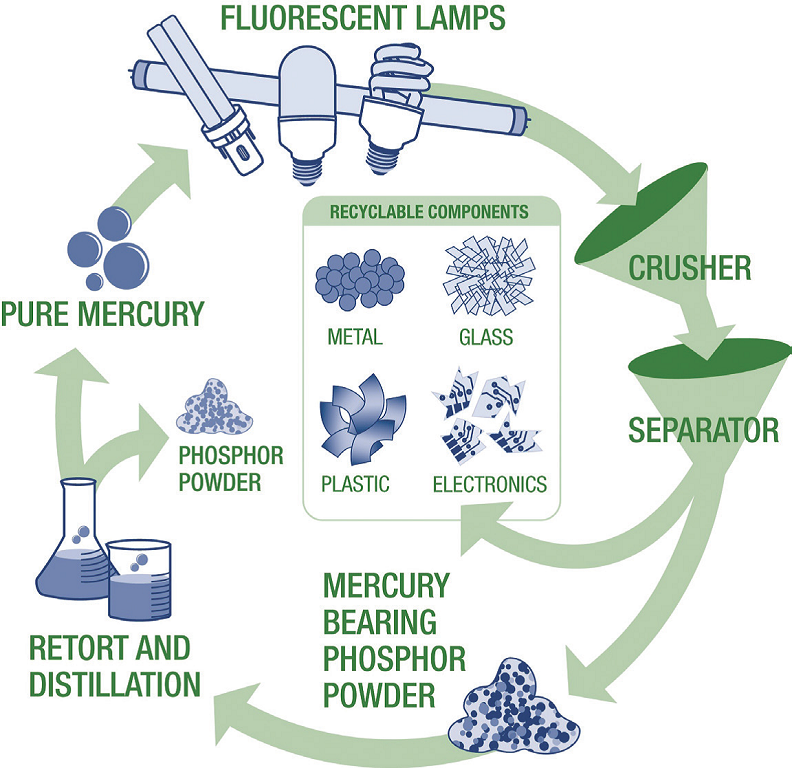
- Mercury is removed from glass using specialized equipment.
- Glass, metal, and mercury are recycled separately.
How to Clean Up Broken Lamps
- Leave the area for 15 minutes.
- Open windows and shut off forced air.
- Use damp paper towels or wet wipes to collect debris (do not vacuum).
- Seal debris in a plastic bag and place in trash.
Additional Resources
- Free recycling services for businesses: greenbiz@clackamas.us or 503-742-4458
- Other hazardous waste: Metro Recycling Hotline 503-234-3000
- Very Small Quantity Generator (VSQG) program for businesses generating <220 lbs of hazardous waste