 Translate



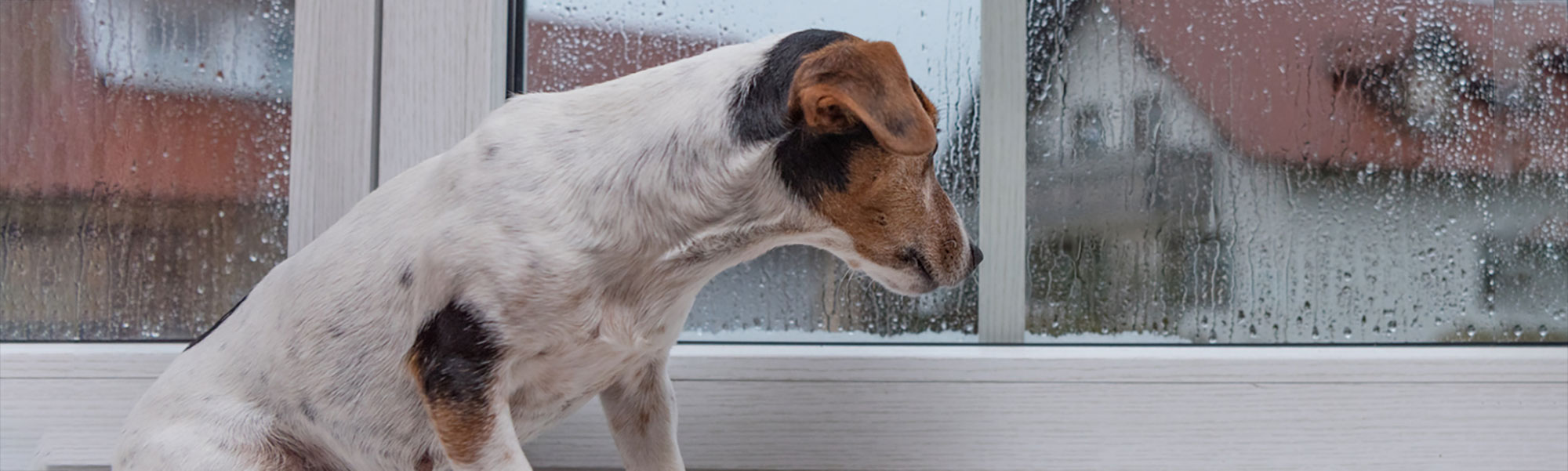

There are serious risks that rising water poses to both household pets and livestock.
For livestock that need to be transported due to flooding, owners can transport their livestock to the Clackamas County Fairgrounds. Enter through the red gate.
Floodwaters can contain dangerous debris, sharp objects, contaminants, and fast-moving currents that place animals at high risk for injury, drowning, or exposure to harmful bacteria and chemicals. Even a few inches of moving water can sweep animals off their feet, and standing water can hide hazards such as downed fencing, holes, and displaced wildlife.
If you live in an affected area:
- Keep pets indoors and away from floodwater
- Ensure all animals have access to safe, dry shelter
For livestock:
- Move them to higher ground as early as possible
- Provide clean drinking water—floodwater is not safe for consumption
- After water recedes, monitor all animals closely for signs of illness, lameness, or hypothermia, and contact your veterinarian if concerns arise.
Preparing a basic evacuation plan for both pets and livestock can make a critical difference during emergencies. Keep carriers, halters, identification, and a supply of food and medications readily accessible. Staying proactive and aware helps protect the animals who depend on us most.