Translate




 Resources and assistance are available to help your school set and meet recycling, food waste prevention, and waste reduction goals.
Our work is in partnership with the Clackamas County Refuse and Recycling Association. Explore our resources below.
Contact: wasteinfo@clackamas.us
Classroom Presentations
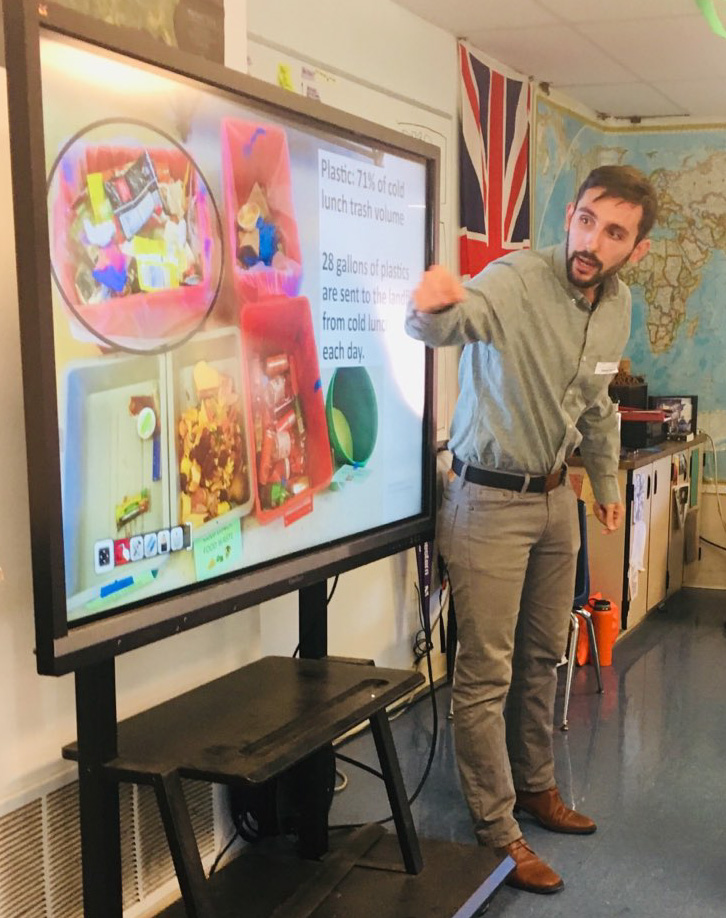
Learn more and request engaging, hands-on presentations in K-12 classrooms:
Mini-Grants for School Waste Reduction Projects
Clackamas County provides small grants to schools to help meet waste reduction goals. Examples of past grant projects include:
- Replacing disposable items used in school meal service: School meal service can generate a significant amount of waste. Switching to washable items like trays, plates, silverware, and cups can be a great way to reduce waste.
- Purchasing party kits to reduce party waste: Teachers report that classroom party kits reduce waste by a minimum of one large trash bag per classroom party.
- Installing a water bottle filling station: Reduce the use of disposable plastic bottles by installing a convenient water bottle filling station.
- Support a school’s composting program: Some schools collect fruit and vegetable scraps to compost on-site. Our grant can help purchase items like compost tumblers and collection containers.
- And more: Share your idea with us!
Applications
- General grant application
- Reusable dishware/silverware grant
- Water bottle filling station grant
- Composting support grant
- Classroom party kit grant
Free Resources
Educational posters for the classroom, office, and cafeteria
Email Wastelnfo@Clackamas.us or call 503-557-6363 to request free resources for your school's buildings.
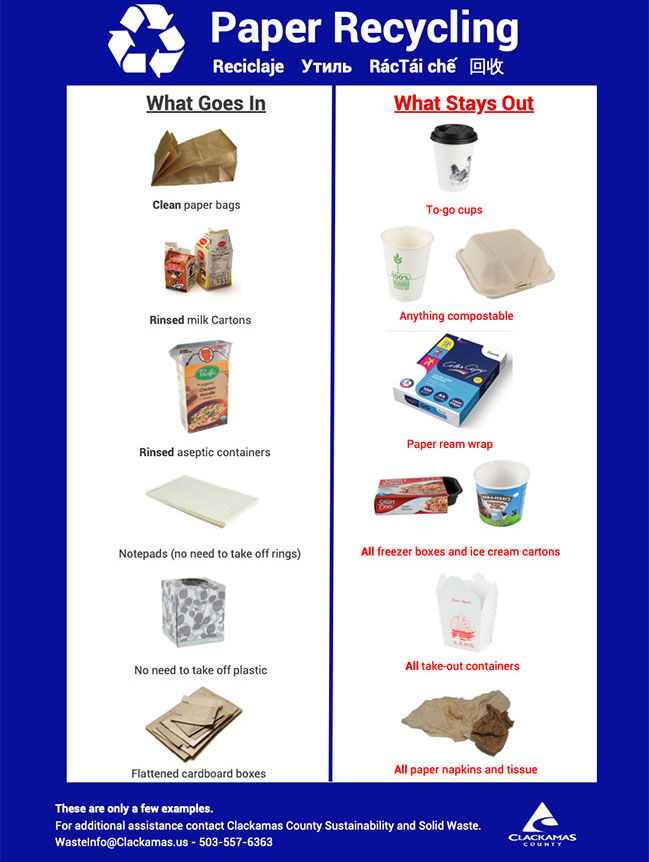
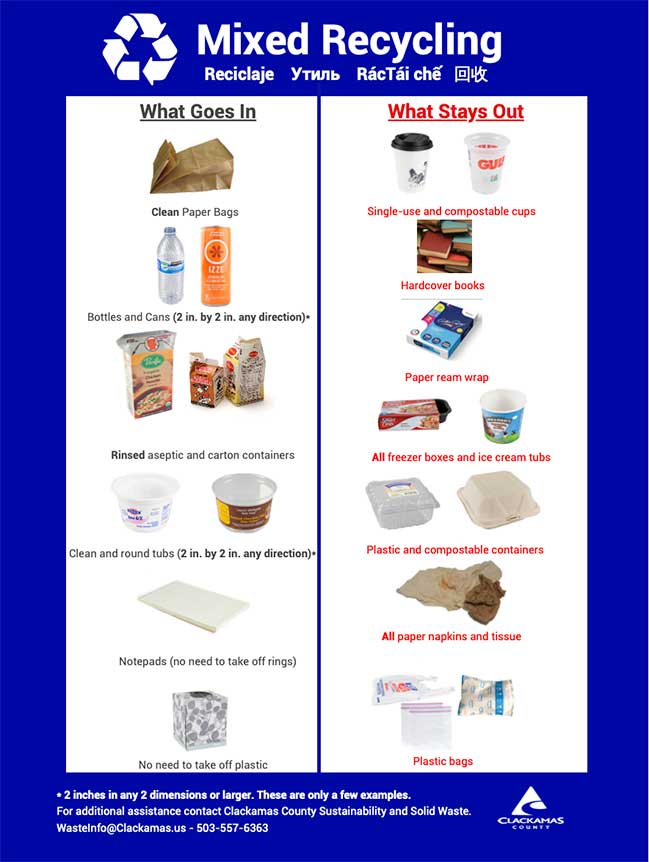
Support your school’s waste reduction program by helping everyone understand what to do with their recyclable, compostable, and disposable items.
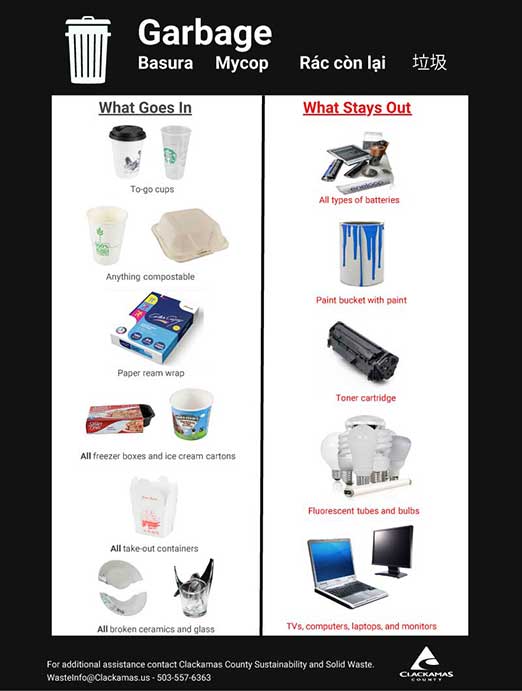
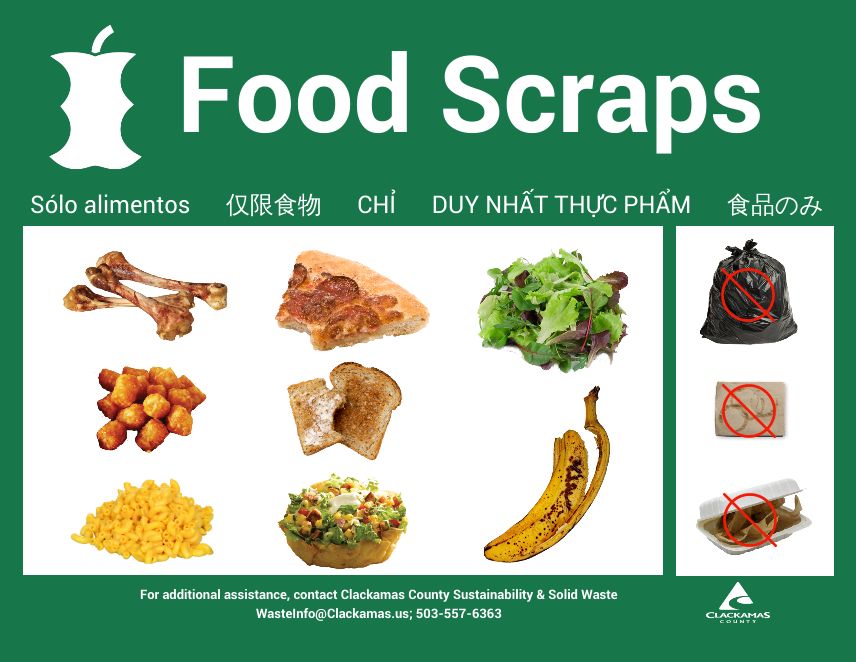
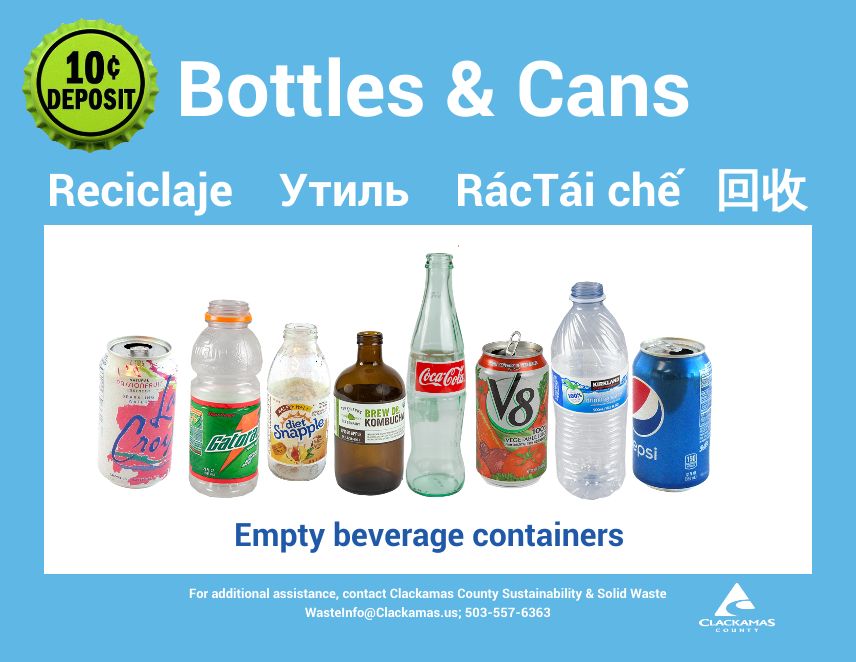
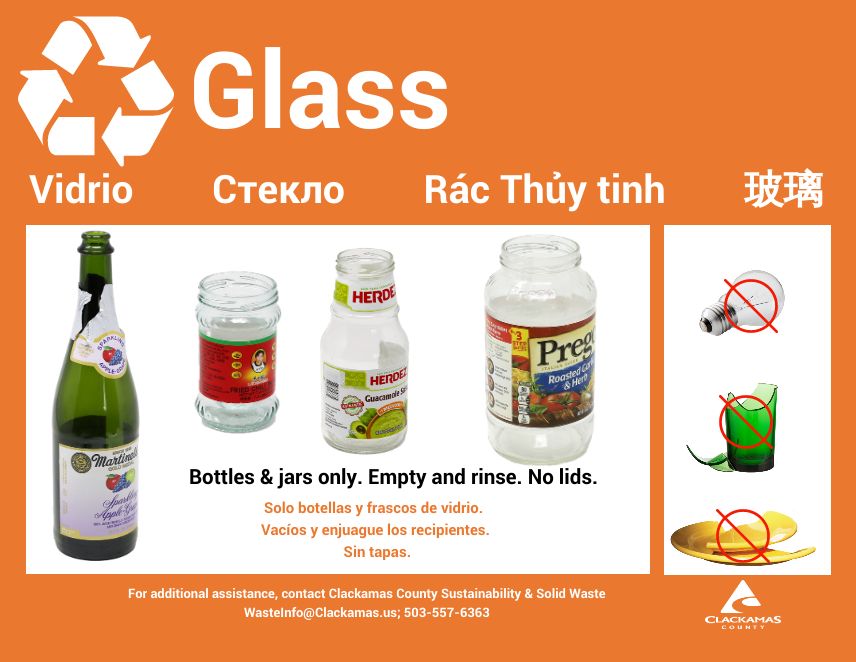
Free recycling and composting bins
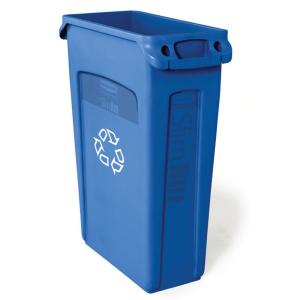
Recycling collection in kitchens or copy rooms
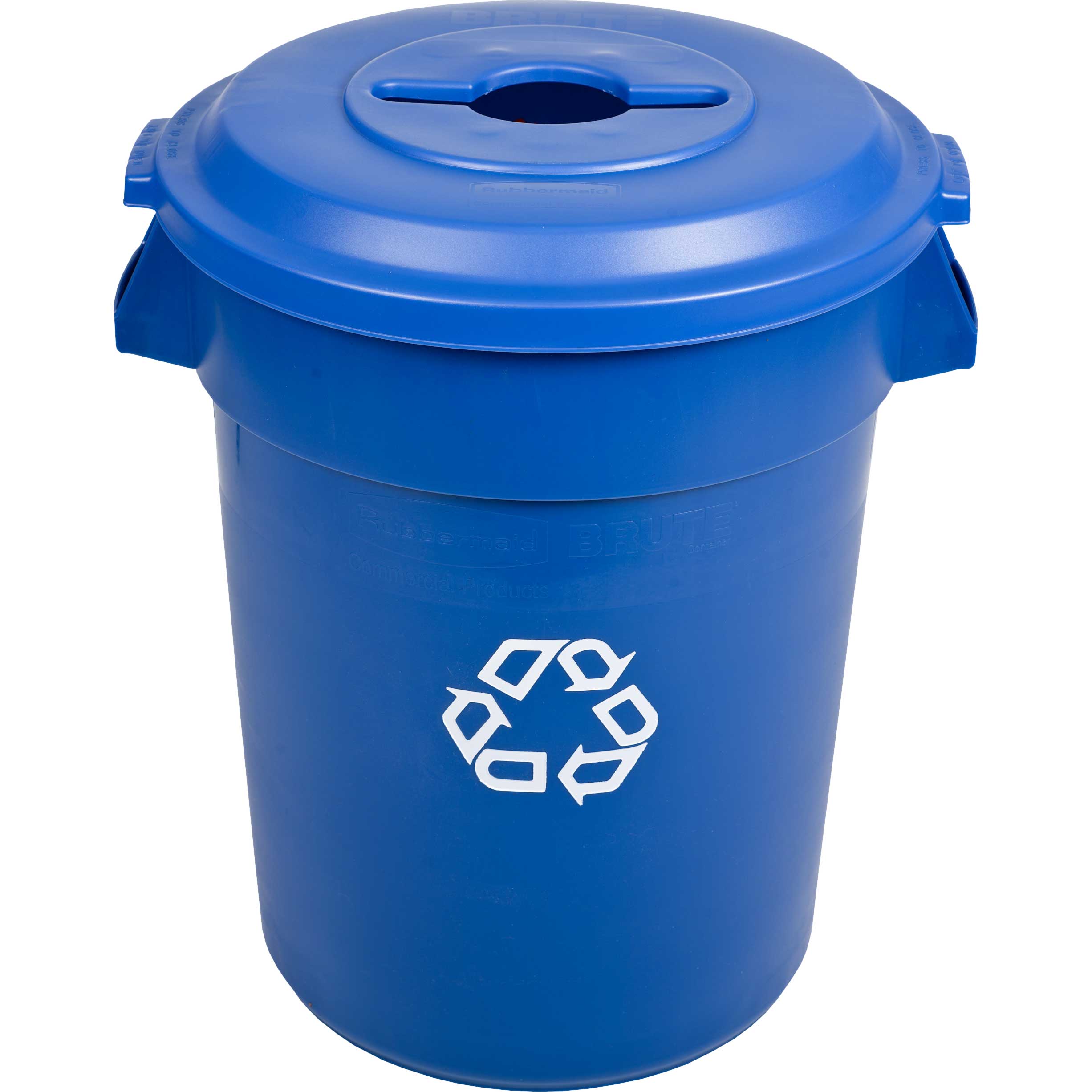
Bottle and can collection in cafeterias or common areas
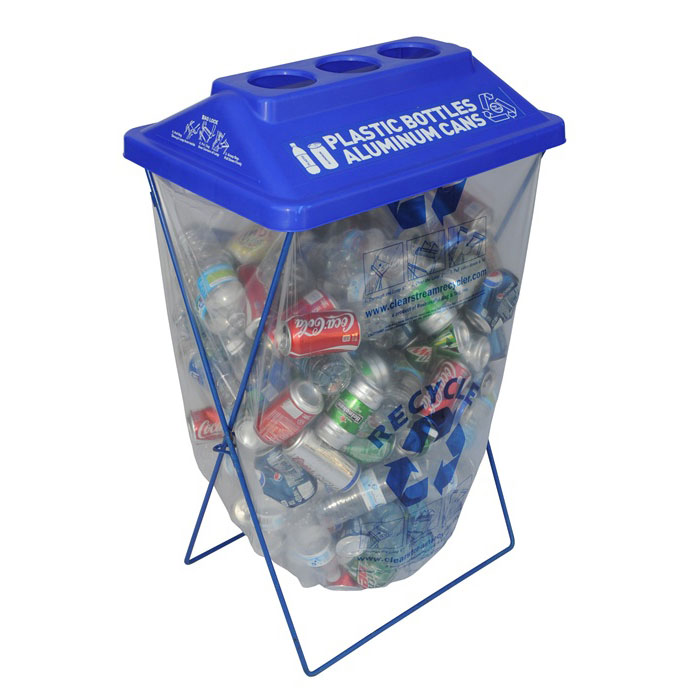
Bottle and can collection in cafeterias or common areas
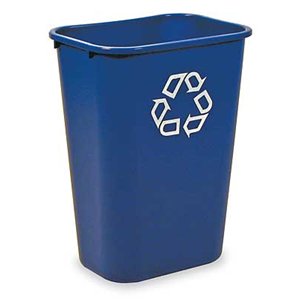
Paper recycling for classrooms and offices
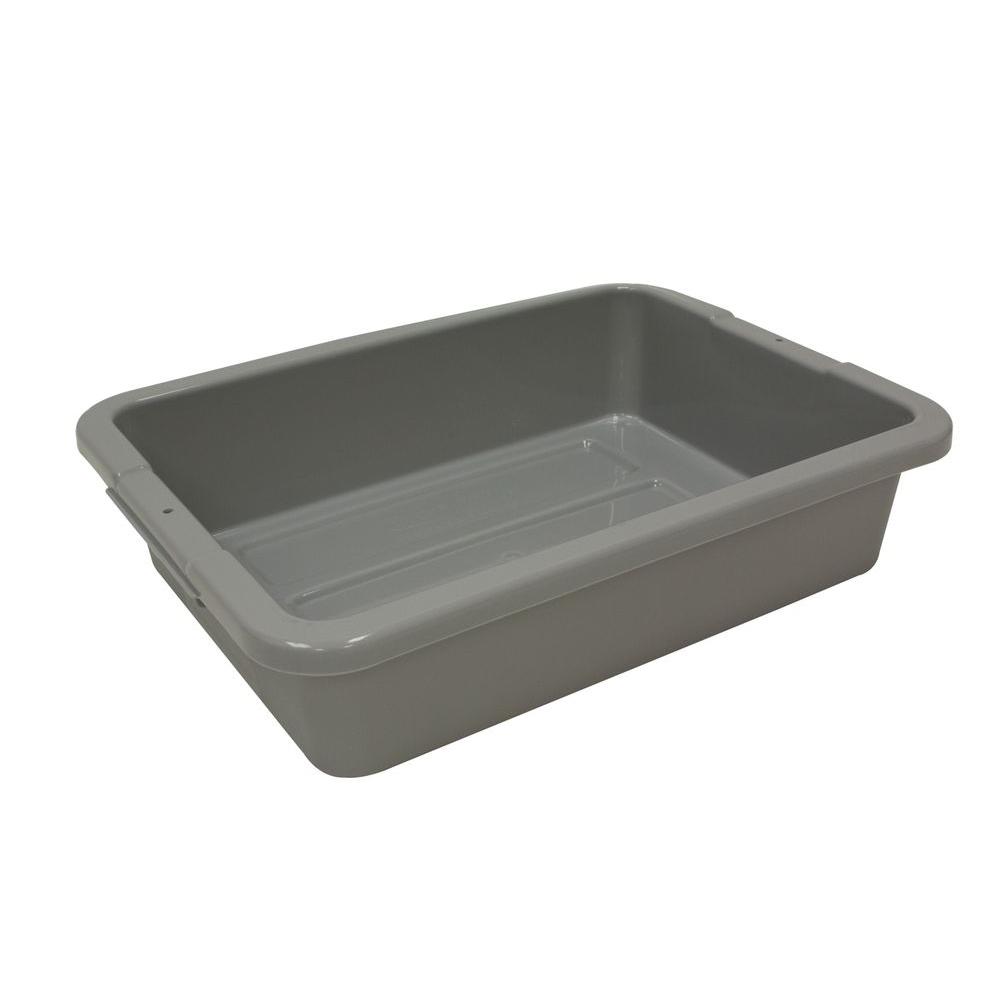
Food scraps collection in cafeterias
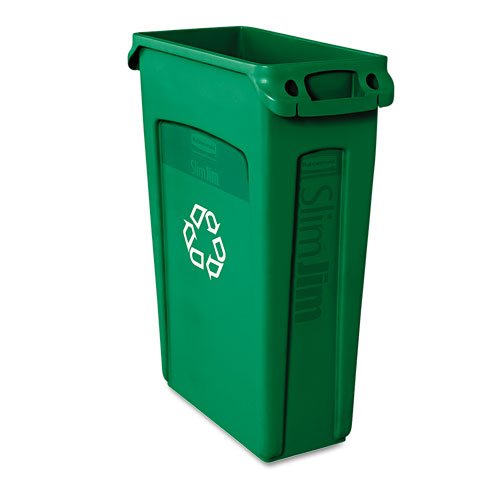
Food scraps collection in kitchens
Workbooks and Guides
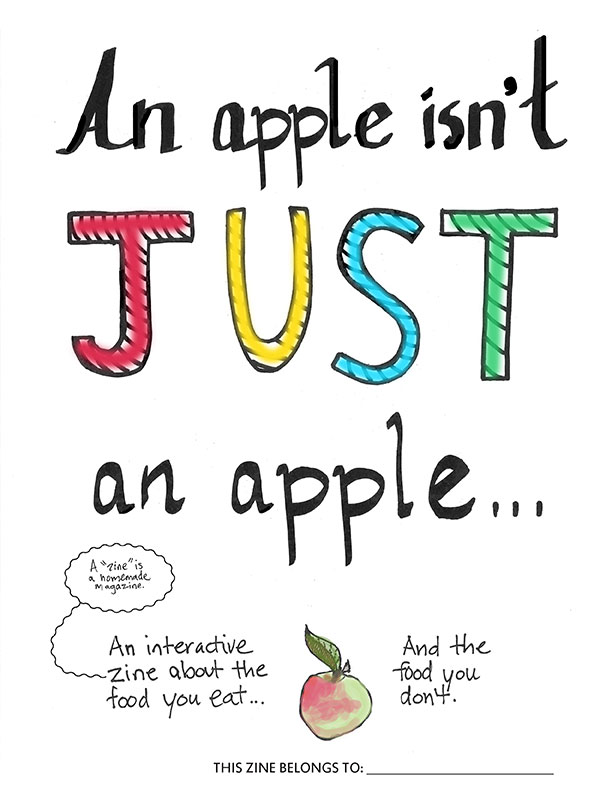
An Apple isn’t just an Apple (PDF)
Educational activity book about food and food waste. Best for grades 2-3.
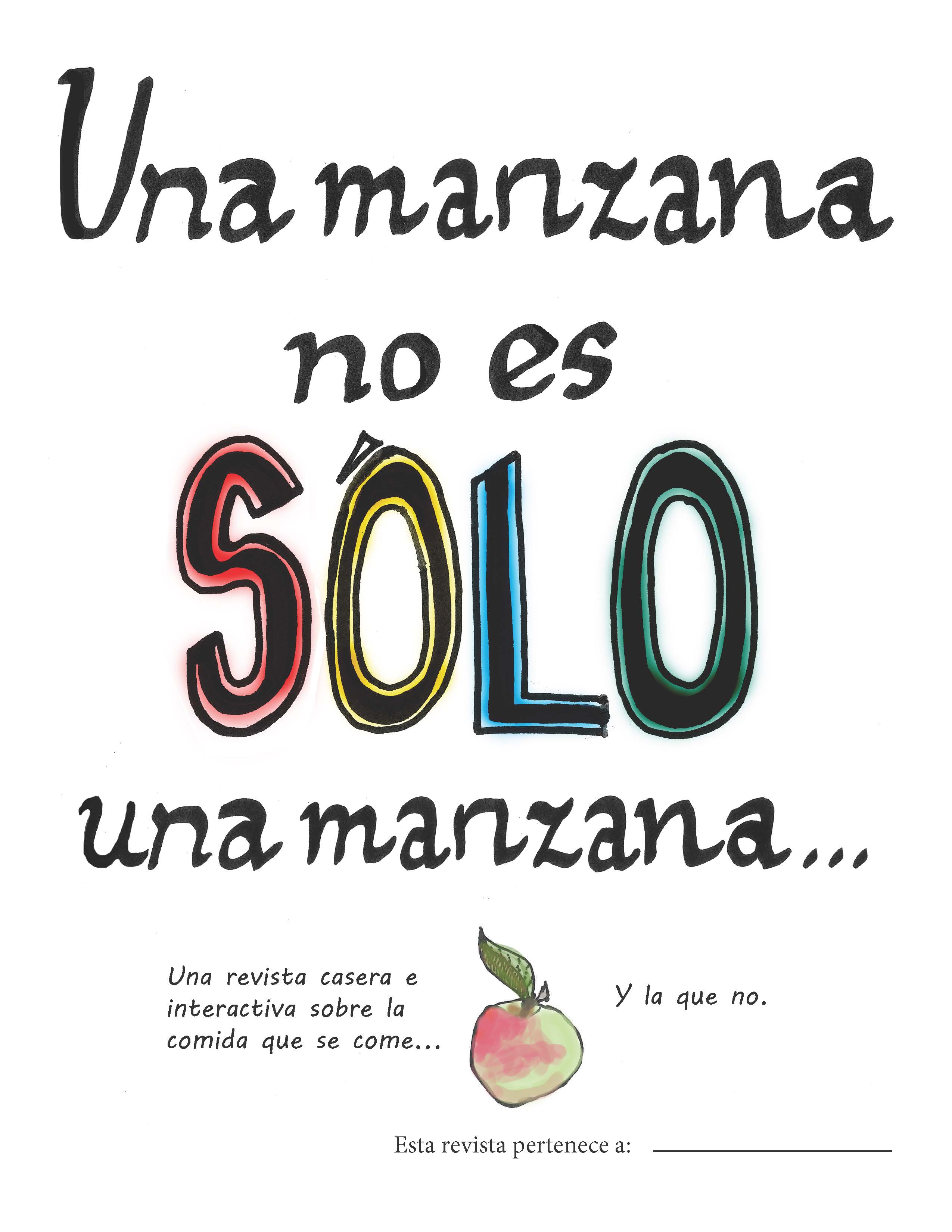
Una Manzana no es solo una Manzana (PDF)
Educational activity book about food and food waste in Spanish. Best for grades 2-3.
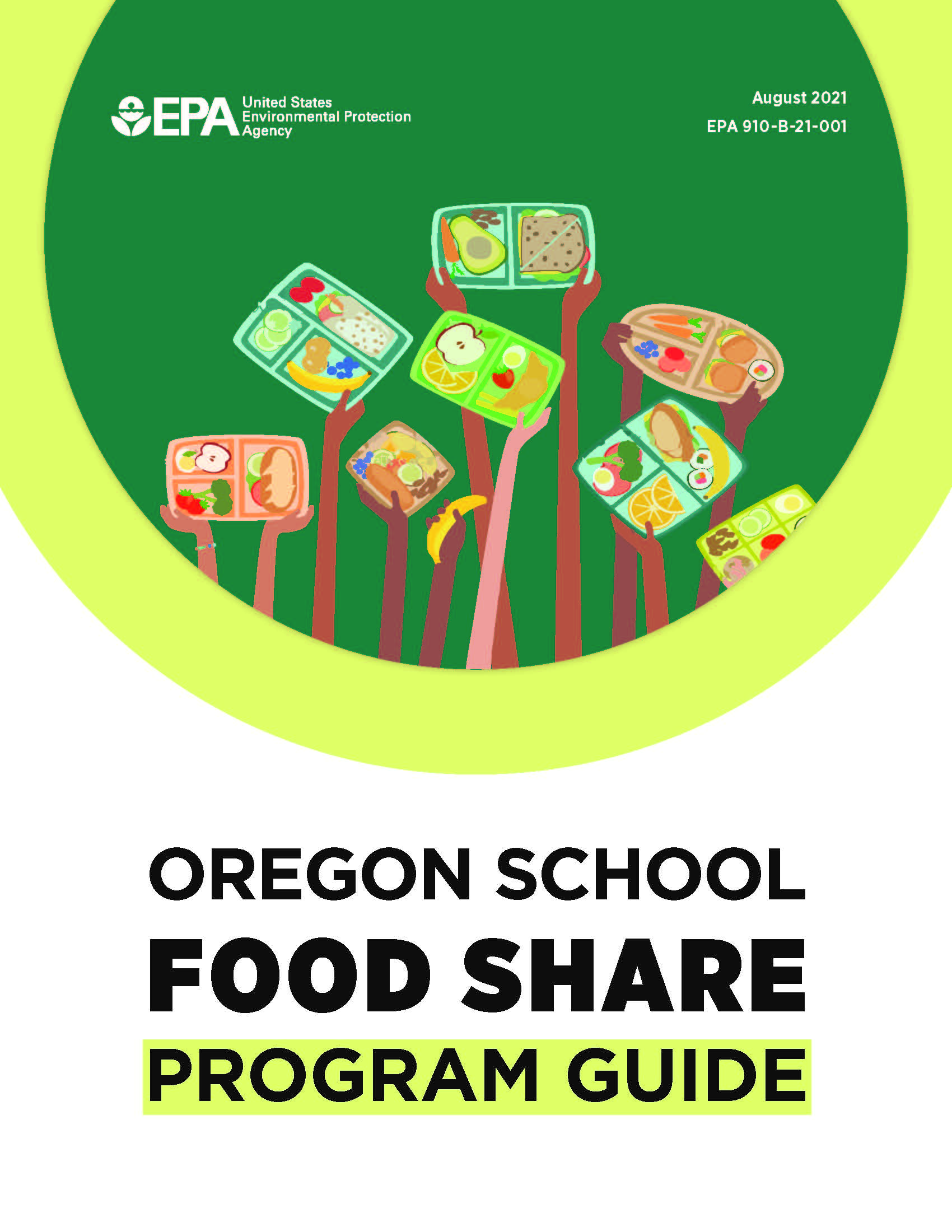
Oregon School Food Share Program Guide (PDF from the EPA)
A step-by-step guide to measure and reduce wasted food through a School Food Share Program.
Reduce Wasted Food At School
Compost food scraps at school
Some schools in Clackamas County are eligible to collect compostable food scraps through a commercial composting program. Other schools may consider a small garden composting program. Whatever your needs, we are here to help. Contact us for assistance.
Milk dispensers
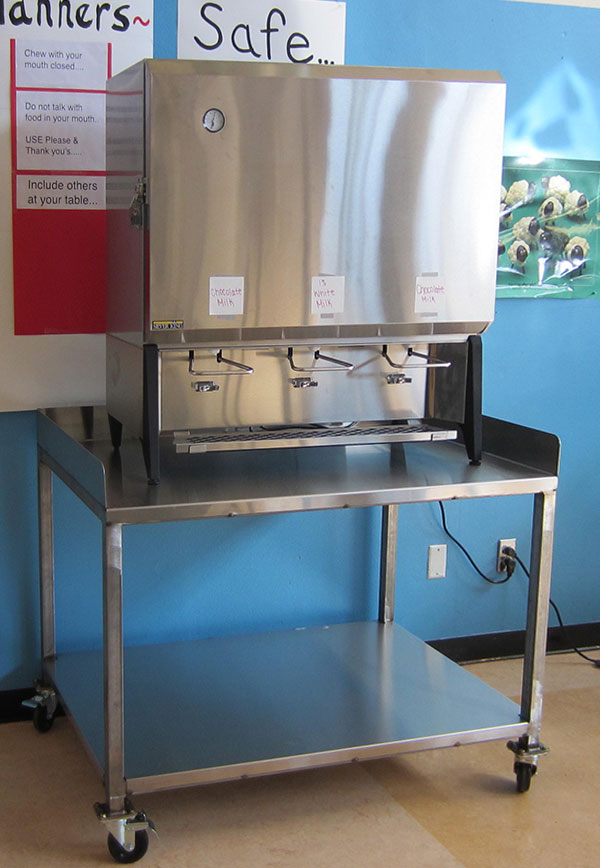 Since 2017, Clackamas County has been helping schools transition from disposable milk cartons to using milk dispensers with a washable cup for milk service. This transition has saved thousands of gallons of milk and prevented hundreds of thousands of cartons from ending up in the landfill.
Frequently asked questions
Why should my school consider using milk dispensers?
- Milk cartons are not easily recyclable in schools and, in some areas, they are not recyclable at all.
- In schools where dispensers are in use, students can choose how much milk to take and usually drink more of the milk they take, which reduces milk waste by over half. Canby schools increased their milk sales to students while still decreasing overall volume of milk purchased.
- Cartons are often thrown away half-full, adding to the weight of the garbage and contributing to injuries and messes when waste is carried out.
- Milk cartons make up at least 50% of a school's lunch trash volume. When those cartons are not there, trash cans do not fill as quickly and custodians will not have to empty the trash nearly as often, which saves time and trash bags.
- Without cartons in the garbage, a school may be able to save more money by reducing garbage service.
- Students report that the milk tastes better.
Which Clackamas County schools are using milk dispensers?
Canby School District
- Carus Elementary
- Cecile Trost Elementary
- Howard Eccles Elementary
- Ninety-One Elementary
- Philander Lee Elementary
- William Knight Elementary
North Clackamas School District
- Ardenwald Elementary
- Cascade Heights Public Charter
- Oak Grove Elementary
- Scouters Mountain
- Spring Mountain Elementary
- Sunnyside Elementary
- Verne Duncan Elementary
- View Acres Elementary
Oregon City School District
- Beavercreek Elementary
- Candy Lane Elementary
- Gaffney Lane Elementary
- Holcomb Elementary
- Jennings Lodge Elementary
- John McLoughlin Elementary
- Redland Elementary
Silver Falls School District
- Butte Creek School
What equipment is needed, and how much does it cost?
| Equipment | Cost |
|---|---|
| 3-spigot stainless steel milk dispenser | $2,517 |
| Industrial cart for dispenser | $560 |
| 400 Washable cups ~$30 for case of 36 | $325 |
| Dishwashing trays 17 trays holding 25 cups | $400 |
| 2 carts to move trays to and from kitchen | $268 |
| 3 additional milk crates To simplify changing milk bags during lunch | $171 |
| Total: | $4241 |
Won't students spill the milk?
The Canby and Olympia School Districts both report no additional spills after beginning to use the milk dispensers. In fact, some school personnel in Olympia have reported fewer spills with the milk dispensers.
How much time does it take to wash all of the dishes?
In the Canby School District, the kitchen staff has found that the additional time required to wash the cups is negligible. Kitchen staff washes the dishes in between other tasks and no additional time has been required to wash cups.
How do we source milk in bags?
Work with your dairy to get milk in bags. The dairy supplying Canby schools offered milk in 3-gallon bags. In Olympia, another community that has implemented milk dispensers, the dairy's 5 -gallon bags were too heavy. The dairy was able to fill them with just 4 gallons to make them easier to load.
How do we meet the USDA requirements for a reimbursable meal?
Canby schools have not been audited yet, but they are following the same procedure as Olympia. The schools with dispensers in Olympia have passed their OSPI audits with flying colors. No issues were raised about the use of dispensers. These districts have reported that by the time students have gone through the serving line they already have a reimbursable meal. One variable to consider is whether or not a District has chosen the "offer" or "serve" option for how they qualify for reimbursement.
For the best guidance, please check in with your district's Child Nutrition Specialist for guidance on how to incorporate milk dispensers into your lunch program.
How do you keep kids from throwing the cups in the trash?
Students pour their unfinished milk into a bucket, then place the cup upside down in the dishwashing tray. This process needs to be taught and reinforced, but it quickly becomes habit for the kids.
Can I contact Nutrition Services Directors who are already using dispensers?
Yes!
- Galina Dobson
Canby School District Nutrition Services
503-263-7140 ext. 3480
dobsong@canby.k12.or.us - Paul Flock
Olympia School District
360-596-7064
pflock@osd.wednet.edu
Is it really better to use a washable cup than a carton?
Yes. Washable cups are better than disposable cartons. Most environmental impacts occur before we even see a product, so using washable dishware is better than disposables as long as those reusable dishes are, well, reused. Estimates vary somewhat, but as long as a washable dish is used 10 or more times, it is better than using a disposable dish. Below is a graphic that helps to explain where the environmental impacts occur over a product's lifecycle.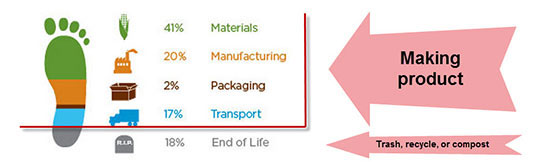
Graphic from City of Portland's website, adapted from Eco-products website.