Translate




Evacuation orders in some areas of Clackamas County are lifting. Those permitted to return to evacuated areas are encouraged to proceed carefully.
Some structures may have been evaluated by emergency responders and tagged with green, yellow or red tags.
Individuals who did not receive a tag on their home in unincorporated Clackamas County — but have flood damage — can request a building code administrator inspection by emailing ccdm@clackamas.us.
Contact CCVOAD via online form if they do not have insurance or resources for assistance with flood cleanup.
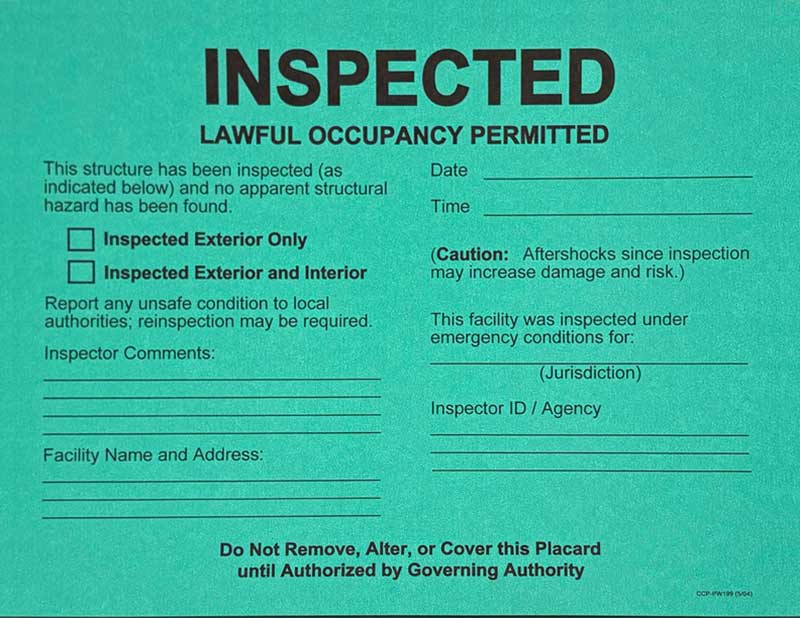
Green tag
This structure has been inspected, and no apparent structural hazard has been found. You can enter the building.
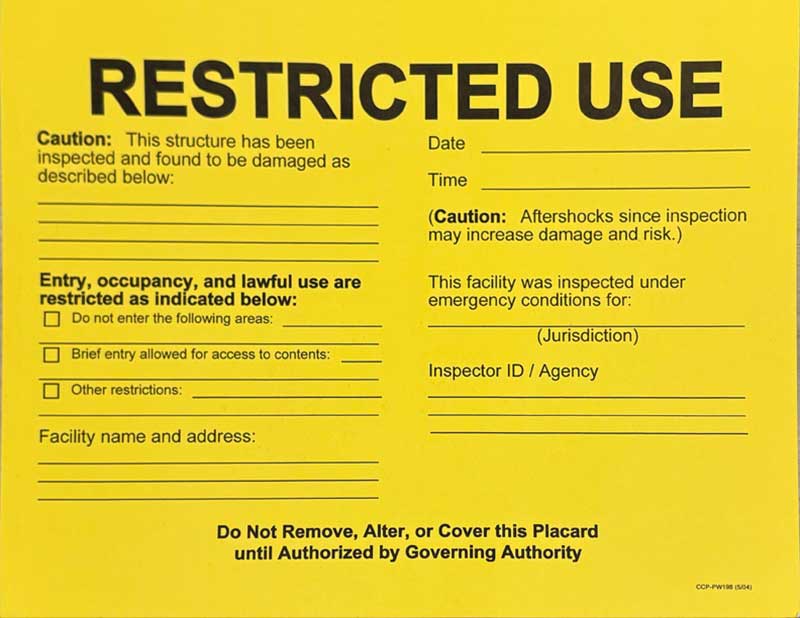
Yellow tag
This structure has been inspected and found to be damaged. Use caution and follow the instructions on the placard. It is OK for people to go in yellow tagged structures, but these buildings may be unsafe to live in because of ongoing conditions like structural issues or lack of utilities.
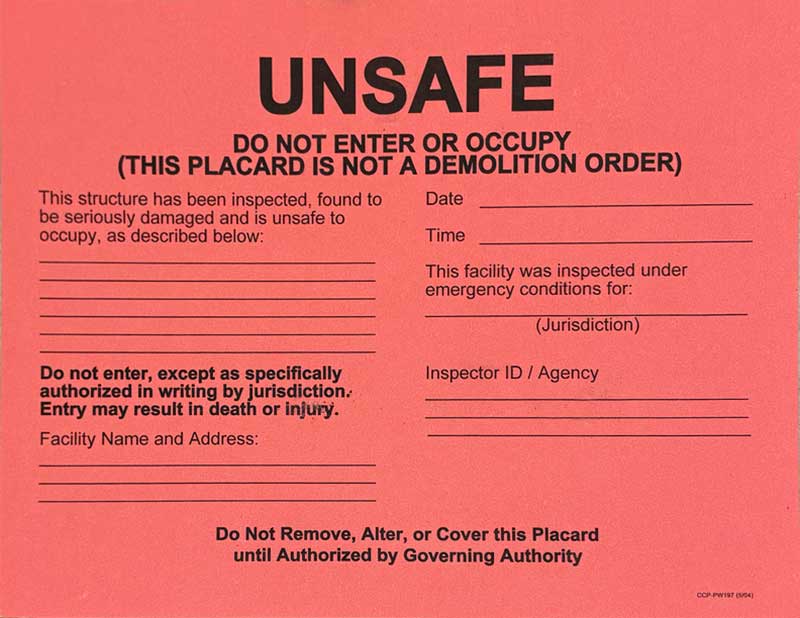
Red tag
This structure has been inspected, found to be seriously damaged and is unsafe to occupy. Do not enter and follow the instructions on the placard.
If your home or business was affected by the flood and has not received a red tag, you are able to work on cleaning and repairing any damage from flooding.
- When working on your home or place of business, use appropriate safety gear such as boots, rubber gloves, face masks, and goggles as the circumstances warrant.
- Dry out flooded areas. Use fans and dehumidifiers to remove excess moisture as soon as possible. Weather permitting, open the windows and doors to ventilate the room.
- Once the structure has dried out, remove mold from hard surfaces by washing with soap and water, and letting all washed surfaces dry completely. Bleach can be used following all label instructions, paying special attention to the precautionary statements and dilution rate.
- Check crawl spaces and basements for wet insulation, compromised mechanical and electrical systems, as flood damage may not be readily apparent.
- Save receipts, take photos, and document every loss and expense. Contact your insurance agent.
- High winds may cause trees to fall or break. As you cut down branches and limbs, wear safety glasses and heavy work gloves. Remember to always cut at waist level or below. If using an electric chain saw, use extreme caution to avoid electrical shock. Avoid contact with power lines.
- Never turn power on or off while standing in water. If electrical circuits and electrical equipment have gotten wet or are in or near water, turn off the power at the main breaker or fuse on the service panel. If you must enter standing water to access the main power switch, then call an electrician to turn the power off.
- Never use a generator, grill, camp stove or other gasoline, propane, natural gas or charcoal burning devices inside a home, garage, basement, crawlspace or any partially enclosed area. Keep these devices at least 20 feet from doors, windows, and vents.
- Don't push mud and debris back into the river.;
- Don't start construction or land movement (grading). You may remove the mud that came in from the floods and place it on your property but do not change the underlying landforms or build new walls and structures without first contacting the following Clackamas programs:
- Building Codes
bldservice@clackamas.us or 503-742-4240 - Planning and Zoning
zoninginfo@clackamas.us or 503-742-4500 - Septic
septicinfo@clackamas.us or 503-742-4740
- Building Codes
For more information on cleaning your home or business
For additional information and resources visit the Clackamas County Flood Preparedness website.