Translate



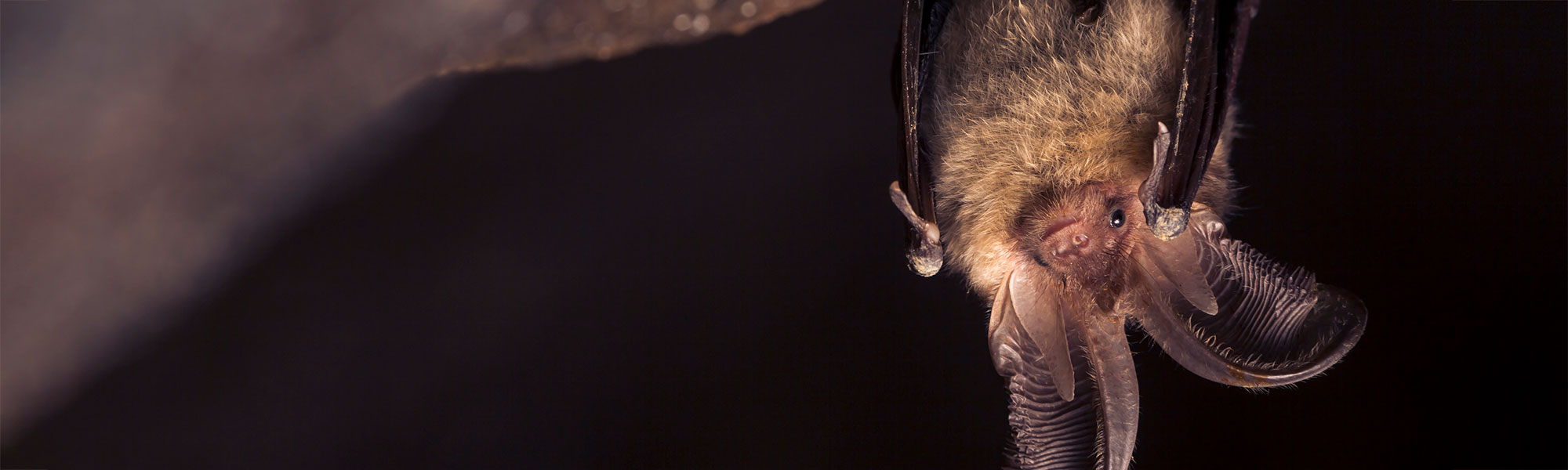

Rabies is a rare but very serious disease that affects the brain and nervous system.
It is almost always fatal once symptoms appear. Rabies spreads through the saliva of an infected animal, usually through a bite. Only mammals can carry rabies. Clackamas County has had multiple bats test positive for rabies this year.
The good news: rabies is preventable. Avoid contact with wild animals and keep pets up to date on rabies vaccinations.
Animal Bite Report Form for Medical Providers (PDF)
If you are bitten by an animal
Take action right away:
- Wash the wound immediately with soap and water. This greatly reduces the risk of infection.
- Get medical care right away from your healthcare provider or an emergency department.
- If you have questions after an animal bite, call 503-655-8411.
Bat warning:
Bat bites can be very small and hard to see. If you’ve touched a bat, woken up to a bat in your room, or are unsure whether you were bitten or scratched, contact a healthcare provider or call 503-655-8411 to discuss whether treatment is needed.
Post-exposure treatment works very well when started quickly.
How common is rabies in Oregon?
- Bats are the main rabies concern in Oregon.
- In the last five years, Clackamas County has averaged one rabid bat per year.
- Over the past 23 years in Oregon:
- About 8% of tested bats had rabies
- About 16% of tested foxes had rabies
- Rare cases were found in coyotes, cats, a skunk, and a goat
- Rabies is not considered a risk in raccoons or squirrels in Oregon.
Rabies vaccination laws
- All dogs in Oregon must be vaccinated for rabies by a veterinarian, starting at 3 months of age.
- There are no state vaccination laws for other pets, but vaccination is strongly recommended.
- Pets exposed to a rabid animal may be required to be vaccinated, quarantined, or euthanized, depending on Public Health guidance.
Talk with your veterinarian about vaccination options.
Livestock and rabies
Rabies vaccination is recommended for:
- Horses
- Livestock that have frequent contact with people (such as at fairs or petting zoos)
Your veterinarian can advise on appropriate vaccination schedules
Bat-proofing your home
To reduce the risk of bats entering your home:
- Seal openings larger than ¼ inch by ½ inch
- Use window screens, chimney caps, and door draft guards
- Seal plumbing and electrical openings with caulk or steel wool
- Install netting or plastic sheeting where bats roost.
- The best time to bat-proof is fall or winter, when bats are not active.
- Do not handle bats.
Dog bites
If you are bitten by a dog, contact Clackamas County Dog Services.
Questions or concerns?
Call Clackamas County Public Health at 503-655-8411.