 Translate


Evacuation Shelters
There are no current evacuation shelters active or open in Clackamas County.
Sign up for Public Alerts to be the first to know about disasters and emergencies.
New Format?
Off


#ClackCo Alerts
There are no current evacuation shelters active or open in Clackamas County.
Sign up for Public Alerts to be the first to know about disasters and emergencies.
After a flood, deciding what to keep and what to throw away is important for both your health and your home. Floodwater can carry harmful bacteria and chemicals that soak into many materials. Mold can begin growing within 24–48 hours, so act quickly to reduce health risks and prevent further damage.
Clean and Keep
Maybe (Depends on Condition)
Best to Throw Away
Flooding can damage household chemicals and other hazardous products. Proper handling and disposal of hazardous waste after a flood helps prevent injuries, fires, and environmental contamination.
Flooded wells can remain unsafe for months. Contamination may occur over time, even after an initial safe test. Repeated water testing is strongly recommended.
If bottled water is unavailable, refer to the EPA fact sheet "What to Do When Your Well Is Flooded" for steps to make your water safe to drink. More information from the EPA.
For private household well questions, contact the Domestic Well Safety Program at domestic.wells@odhsoha.oregon.gov or 541-952-9254.
Entering a home or building with mold damage requires a "safety-first" approach to your clothing. Because mold spores are microscopic and readily adhere to fabric, your clothes serve as your primary barrier against health risks and cross-contamination.
To protect yourself and prevent spreading the mold, choose disposable coveralls or slick, non-porous materials that are easy to clean or discard after use.
When dealing with food and medicine after a flood, the golden rule is: When in doubt, throw it out. Floodwater can carry sewage and chemicals that contaminate anything it touches.
Undamaged, non-dented metal cans can be salvaged with these steps:
Wildfire smoke
Wildfires and severe smoke occur every year in Oregon and create dangerous conditions for people, especially those with chronic health conditions, infants, children and pregnant people. Follow these tips to protect yourself and your family.
Find the current air quality in your area
Understand the Air Quality Index (AQI)
Disasters and emergencies can lead to evacuations. Know the types of evacuation orders that you could experience and make a plan in advance.
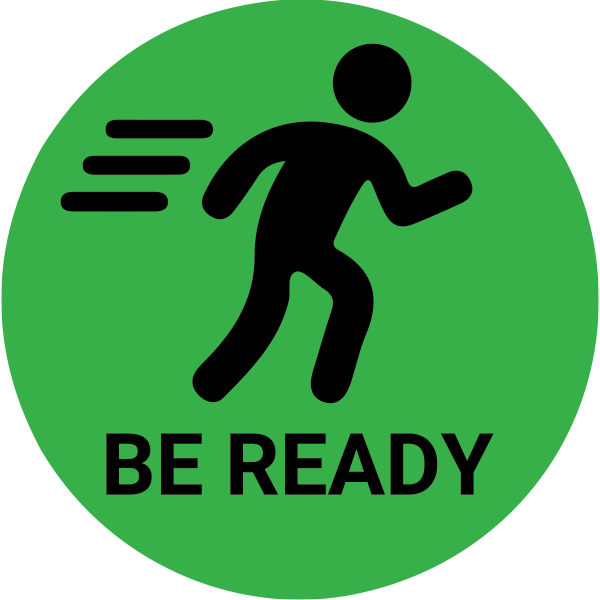
Level 1: Be Ready
Be aware, prepare and stay informed. This is the time to prepare and be ready to evacuate. Older adults, people with special needs, or mobile property owners should take action early. Consider moving pets and livestock early.
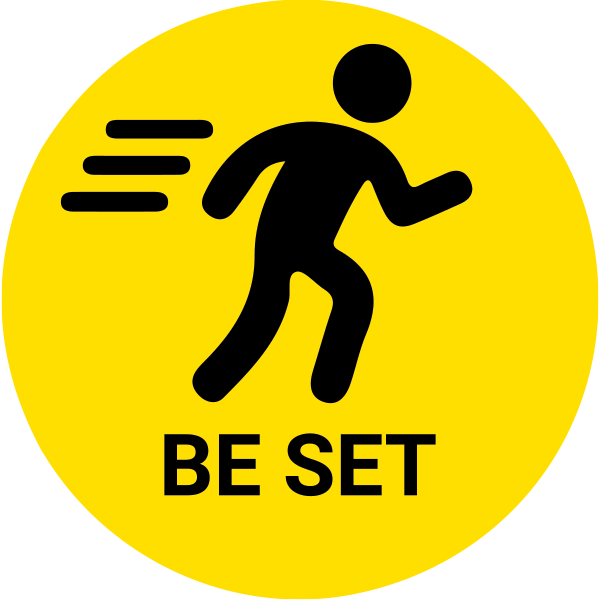
Level 2: Be Set
Be ready to leave with little notice and relocate to a safe place outside of the affected area. You will have limited time to gather necessary items and it may become unsafe to do so.
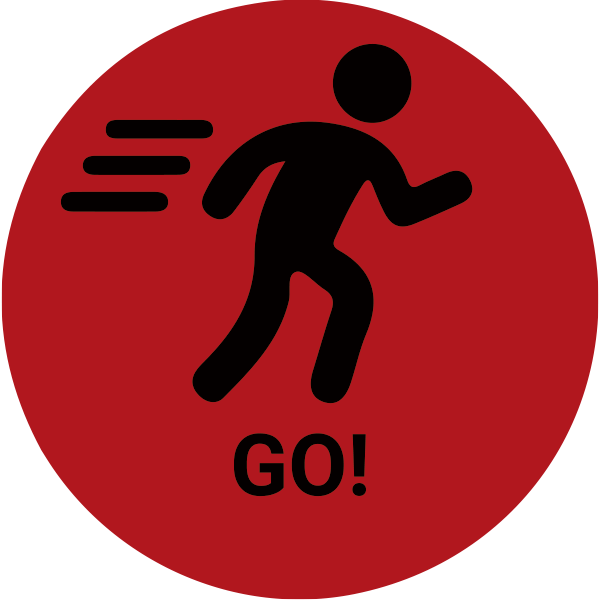
Level 3: GO!
Evacuate now! Leave immediately! It is unsafe for you to stay in the area. This will be the last notice you receive until officials declare it is safe to return to the area.
This form is currently closed. For resources please visit our Fire Resources Page.