 Translate




Clackamas County Investment Policy
I. Objectives
The primary objectives of investment activities shall be safety, liquidity, and yield:
Safety
Safety of principal is the foremost objective of the investment program. Investments shall be undertaken in a manner that seeks to ensure the preservation of capital in the overall portfolio. The objective will be to mitigate credit risk and interest rate risk.
Credit Risk
Clackamas County will minimize credit risk, the risk of loss due to the financial failure of the security issuer or backer, by:
- Limiting exposure to poor credits and concentrating the investments in the safest types of securities.
- Pre-qualifying the financial institutions, broker/dealers, intermediaries, and advisors with which Clackamas County will do business.
- Diversifying the investment portfolio so that potential losses on individual securities will be minimized.
- Actively monitoring the investment portfolio holdings for ratings changes, changing economic/market conditions, etc.
Interest Rate Risk
Clackamas County will minimize the risk that the market value of securities in the portfolio will fall due to changes in general interest rates, by:
- Structuring the investment portfolio so that securities mature to meet cash requirements for ongoing operations, thereby avoiding the need to sell securities on the open market prior to maturity.
- Investing operating funds primarily in shorter-term securities or short-term investment pools.
- Diversifying the portfolio by maturity dates to mitigate the impact of reinvestment risk.
Liquidity
The investment portfolio shall remain sufficiently liquid to meet all operating requirements that may be reasonably anticipated. This is accomplished by structuring the portfolio so that securities mature concurrent with cash needs to meet anticipated demands (static liquidity). Furthermore, since all possible cash demands cannot be anticipated, the portfolio should consist largely of securities with active secondary or resale markets (dynamic liquidity).
Yield
The investment portfolio shall be designed with the objective of attaining a market rate of return throughout budgetary and economic cycles, taking into account the investment risk constraints and liquidity needs. Return on investment is of lesser importance compared to the safety and liquidity objectives described above. The majority of the portfolio is limited to highly rated/low risk securities in anticipation of earning a fair return relative to the risk being assumed. Securities are generally held to maturity unless declining credit or liquidity needs warrant a pre-maturity sale.
II. Scope
This policy applies to the investment of both short-term operating funds and long-term capital funds including bond proceeds and bond reserve funds. This policy applies to all component units of Clackamas County unless specific, written exclusion has been granted by the County Treasurer and the unit has a policy which has been adopted by the Board of Commissioners and submitted to the Oregon Short Term Fund Board.
Investments of employees' retirement funds, deferred compensation plans, and other funds are not covered by this policy.
III. Standards of Care
Prudence
The standard of care to be used by investment officials shall be the "prudent person" standard and shall be applied in the context of managing an overall portfolio. Investments shall be made with judgment and care, under circumstances then prevailing, which persons of prudence, discretion and intelligence exercise in the management of their own affairs, not for speculation, but for investment, considering the probable safety of their capital as well as the probable income to be derived.
Investment officers are appointed by the County Treasurer. Investment officers acting in accordance with written procedures and this investment policy and exercising due diligence shall be relieved of personal responsibility for an individual security's credit risk or market price changes, provided deviations from expectations are reported in a timely fashion and the liquidity and the sale of securities are carried out in accordance with the terms of this policy.
Ethics and Conflicts of Interest
Officers and employees involved in the investment process shall refrain from personal business activity that could conflict with the proper execution and management of the investment program, or that could impair their ability to make impartial decisions. Employees and investment officials shall disclose any material interests in financial institutions with which they conduct business. They shall further disclose any personal financial/investment positions that could be related to the performance of the investment portfolio. Employees, officers and their families shall refrain from undertaking personal investment transactions with the same individual with which business is conducted on behalf of Clackamas County. Officers and employees shall, at all times, comply with the State of Oregon Government Standards and Practices code of ethics set forth in Oregon Revised Statutes (ORS) 244.
Delegation of Authority
Treasurer
Authority to manage the investment program is granted to the publicly elected County Treasurer, and derived from the following: ORS 294.035 to 294.053, 294.125 to 294.145, and 294.810. The Treasurer shall be responsible for all transactions undertaken and shall establish a system of controls to regulate the activities of subordinate officials. No person may engage in an investment transaction without approval of the Treasurer.
Deputy Treasurer
Administration of the investment program is hereby delegated to the Deputy Treasurer, who under the direction and supervision of the Treasurer shall act in accordance with established written procedures and internal controls for the operation of the investment program consistent with this investment policy.
IV. Safekeeping and Custody
Purchased investment securities will be delivered by Fed book entry, DTC, or physical delivery and to the extent feasible, held in third party safekeeping with a designated custodian. The trust department of a bank may be designated as custodian for safekeeping specific securities. The custodian shall issue a safekeeping receipt to Clackamas County listing the specific instrument, selling broker/dealer, issuer, coupon, maturity, CUSIP number, purchase or sale price, transaction date, and other pertinent information.
V. Accounting Method
Accounting Standards
The Clackamas County Treasurer’s Office shall comply with required legal provisions and Generally Accepted Accounting Principles (GAAP). The accounting principles are those contained in the pronouncements of authoritative bodies including, but not necessarily limited to, the American Institute of Certified Public Accountants (AICPA); the Financial Accounting Standards Board (FASB); and the Government Accounting Standards Board (GASB).
Investment Return
Investment returns are calculated as total return, including interest earned, premiums, discounts and appreciation or depreciation of investment values. Investment return for purposes of benchmarking against performance indicators will be compared on a total portfolio basis.
Investment Costs
Investments will be carried at par. Losses on the sale of investments will be recognized at time of sale. Premiums or discounts on securities will be amortized or accreted over the life of the securities.
Investment Fee
Where allowable, an investment fee of 0.01% of portfolio par value may be deducted from interest earned and credited to the County General Fund each month. After deducting the investment fee, interest earnings will be credited as of the last day of each month to the funds from which the investment was made based on the average daily balance in the fund.
VI. Internal Controls
The Treasurer is responsible for establishing and maintaining an adequate internal control structure designed to reasonably protect the assets of Clackamas County from loss, theft or misuse. The concept of reasonable assurance recognizes that (1) the cost of a control should not exceed the benefits likely to be derived and (2) the valuations of costs and benefits require estimates and judgments by management.
The internal controls shall address, at a minimum, the following points:
- Control of collusion (to the extent reasonable and feasible).
- Separation of transaction authority from accounting and record keeping.
- Custodial safekeeping.
- Avoidance of physical delivery of securities whenever possible and address control requirements for physical delivery where necessary.
- Clear delegation of authority to subordinate staff members.
- Written confirmation of transactions for investments and wire transfers.
- Wire transfer and ACH agreements.
- Compliance and oversight with investment parameters including diversification and maximum maturity.
VII. Reporting Requirements
Reports to Governing Body
The Clackamas County Treasurer will make available a monthly report to the County Commissioners, the County Administrator, and the directors of all component units. This report may include but not necessarily be limited to: Portfolio activity, instruments held, market valuation, as well as any narrative necessary for adequate clarification.
Management Reports
The investment officer or officers shall maintain up-to-date computer reports of portfolio activity providing reports which are timely and available both daily and weekly.
VIII. Investment Policy Adoption
This Investment Policy will be formally adopted by the Clackamas County Board of Commissioners, and will be readopted annually even if there are no changes.
Maximum investment maturity under this policy is 36 months. As required, this investment policy was previously submitted to the Oregon Short Term Fund (OSTF) Board for comment prior to its approval by the Clackamas County Board of Commissioners, and complies with the requirements of ORS 294.135.
IX. Qualified Financial Institutions
Providers of Investment Services
The Treasurer will maintain a list of all authorized Broker/Dealers and Financial Institutions authorized to provide investment services. To qualify for the list they must be an approved security Broker/Dealer selected by credit worthiness that is authorized to provide investment services in the State of Oregon.
These may include "primary" dealers or regional dealers that qualify under Securities & Exchange Commission Rule 15C3-1 (uniform net capital rule). No public deposits exceeding federal insurance limits shall be made except in a qualified public depository as established by the State of Oregon or as otherwise allowed by ORS 295.
Broker/Dealer Questionnaire
All financial institutions and broker/dealers who desire to become qualified bidders for investment transactions must supply the Treasurer with the following information, unless the Treasurer deems there exists a valid reason not to do so:
- Audited financial statement.
- Proof of National Association of Security Dealers certification.
- Proof of state registration.
- Completed Broker/Dealer Questionnaire.
- Certification of having read and understood the Clackamas County Investment Policy.
Firm Approval
After due consideration and approval, the firm may be added to the list. The Treasurer will conduct a periodic review of the financial condition and registration requirements of qualified Broker/Dealers. Preferably, firms shall have a local office and Registered Representative in Oregon. However, the County will not exclude Broker/Dealers located outside the state as long as they are licensed in Oregon and meet all other qualifications.
An updated Broker/Dealer Questionnaire will be mailed to each firm periodically, and should be completed and returned to the Treasurer’s office. Failure to complete the updated questionnaire may lead to removal from the approved list.
Additions or deletions to the list will be made at the Treasurer's discretion.
X. Suitable and Authorized Investments
The following investments will be permitted by this policy, ORS 294.035, ORS 294.040 and 294.810:
- U.S. Treasury Issues
- Bills
- Notes
- Bonds
- Separate Trading of Registered Interest and Principal of Securities (STRIPS)
- Inflation-Protected Securities (TIPS)
- Floating Rate Notes (FRNs)
- State and Local Government Series Treasury Securities (SLGS)
- U.S. Government Agency Securities and Instruments of Government Sponsored Corps (e.g. US Agency Obligations)
- Banker’s Acceptances (BA’s) from qualified institutions
- State of Oregon Investment Pool (e.g. Oregon Short Term Fund)
- Qualified Certificates of Deposits (CD’s), Savings Accounts and Institution Time Deposits (Subject to ORS 295 collateralization)
- Repurchase Agreements
- State and Local Government Securities (e.g. municipal debt)
- Corporate Indebtedness
XI. Portfolio Diversification
Diversification will be sought within the following guidelines with the purpose of reduction of overall portfolio risk while attaining market average rates of return. The investments shall be diversified by investment type, issuer and maturity.
Diversification will be measured on a total portfolio basis. Diversification within individual portfolios may deviate from the total portfolio requirements due to liquidity requirements.
Due to fluctuations in the aggregate surplus funds balance, maximum percentages for a particular issuer, investment type or maturity may be exceeded at a point in time subsequent to the purchase of a particular security. Securities need not be liquidated to realign the portfolio; however, consideration should be given to this matter when future liquidations are made.
Diversification by Type and Issuer
| Security | % limitation of total portfolio |
|---|---|
| US Treasury | No Limit |
| US Government Agencies | No limit 50% in any single Government Sponsored Enterprise |
| State of Oregon Investment Pool | 50% of total portfolio, or the maximum imposed by statute |
| Certificates of Deposit | 50% of total portfolio 25% in any single qualified financial institution |
| Banker’s Acceptances | 50% of total portfolio 25% in any single qualified financial institution |
| Commercial Paper and Corporate Notes | 35% of total portfolio, per ORS 294.035 5% in any one corporation, their subsidiaries or affiliates |
| State and Local Government Securities | 25% of total portfolio |
| Repurchase Agreements | 25% of total portfolio 10% in any single qualified financial institution |
Diversification by Maturity
Maturity limitations shall depend upon whether the funds being invested are considered short term or long term funds. All funds shall be considered short term except those reserved for capital projects (e.g. bond sale proceeds) and special assessment repayments being held for debt retirement.
Short Term Portfolio (maturity up to 3 years)
Investment maturity for operating funds shall be scheduled to coincide with projected cash flow needs and timed to comply with the following guidelines:
Maturity will be laddered to provide for interest rate fluctuations and to minimize investment interest rate risk. Careful monitoring of interest rate fluctuation will provide a basis for evaluating risk and return.
| Maturity | Portfolio Limit |
|---|---|
| 1 to 90 day maturity | Minimum of 25% of total portfolio |
| 1 to 365 day maturity | No limit |
| 12 months to 24 months maturity | Maximum of 40% of total portfolio |
| 24 months to 36 months maturity | Maximum of 30% of total portfolio |
Long Term Portfolio (Capital Projects and Special Assessment Repayments)
Maturity scheduling shall be timed according to anticipated need. For example, investment of capital project funds shall be timed to meet projected contractor payments. Investment of prepaid assessment funds shall be tied to bond payment dates, after cash flow projections are made using a forecasting model which considers prepayment rate, delinquency rate, interest on bonds, and income on investments.
The investments of bond proceeds are restricted under bond covenants that may be more restrictive than the investment parameters included in this policy. Bond proceeds shall be invested in accordance with the most restrictive parameters of this policy and the applicable bond covenants and tax laws.
This investment policy has been submitted for review by the OSTF Board as specified above and in accordance with ORS 294.135(1)(a), debt service reserves may be invested to a maturity date not exceeding five years. Otherwise debt service reserves shall not be invested to a maturity date exceeding one year.
XII. Bids and Offers
Before any security purchase or sale is initiated, the Investment Officer(s) shall first determine the appropriateness of seeking competitive bids or offers. Such factors to consider include where the securities are held, the size of the transaction, and the term to maturity. When required by tax laws or bond covenants competitive bids and offers shall always be sought for security purchases and sales of bond funds.
XIII. Collateralization
All bank deposits shall be held in qualified Oregon depositories in accordance with ORS Chapter 295.
Certificates of Deposit are considered investments under this policy, and are subject to the collateral requirements of ORS Chapter 295, except those specifically exempted under ORS 295.004.
ORS 294.035(3)(j) requires repurchase agreement collateral to be limited in maturity to three years and priced according to percentages prescribed by written policy of the Oregon Investment Council or the Oregon Short-Term Fund (OSTF) Board. On July 24, 2024, the OSTF Board adopted the following margins via their OSTF Board Sample Policy for Local Governments:
- US Treasury Securities: 102%
- US Agency Discount and Coupon Securities: 102%
- Mortgage Backed and other: 103%
*Limited to those securities described in ORS 294.035(1)
XIV. Performance Indicators
The performance of the County’s portfolio shall be measured against the performance of the relevant alternative investments and comparative bond indexes. The performance of the portfolio should be compared to the performance of alternative investments such as:
- Oregon Local Government Investment Pool,
- 90-day Treasury bill rate,
- Certificates of deposit,
- Bond indices with similar risk profiles (e.g. Bond indexes comprised of high grade investments and maximum maturities of three years),
- Other municipalities,
- Any other indices the Treasurer deems appropriate.
As deemed appropriate, when comparing performance, consider all fees and expenses involved with managing the portfolio in the computation of the portfolio’s rate of return.
It is pertinent to note that alternative investments, such as the Oregon Local Government Investment Pool (LGIP), are less restrictive than the constraints the County is required to follow via ORS 294 and this investment policy. Thus, when reviewing the performance of the portfolio, the goal of the County should not be to maintain an annualized yield that is equal to the alternative investments outlined above, but to have a measure that is comparable.
For example, an annualized yield that is not more than ½ percent (0.5%) lower than the Oregon LGIP and is not less than ¼ percent (0.25%) higher than the 90-day Treasury Bill yield.
XV. Securities Lending
Pursuant to a formal securities lending policy, the Treasurer may enter into agreements to lend, for compensation, certain investments under a formal security lending agreement. At this time, the Treasurer has no agreements for security lending services, and no Clackamas County Securities Lending Policy is in place.
XVI. Additional Documents
Other documents may be used in conjunction with this policy and are available from the Treasurer’s office upon request.
Contact Information
Office of the Treasurer
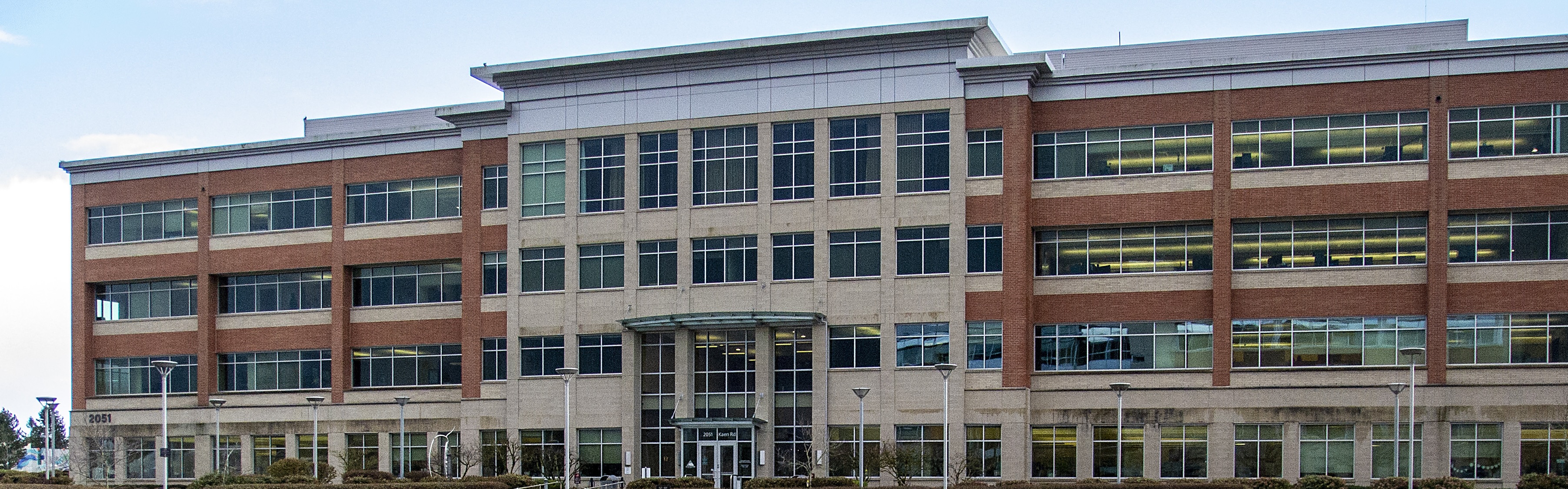
2051 Kaen Rd, #460
Oregon City, Oregon 97045
503-742-5990
Fax 503-742-5996
Reviewed: July 15, 2025