Translate



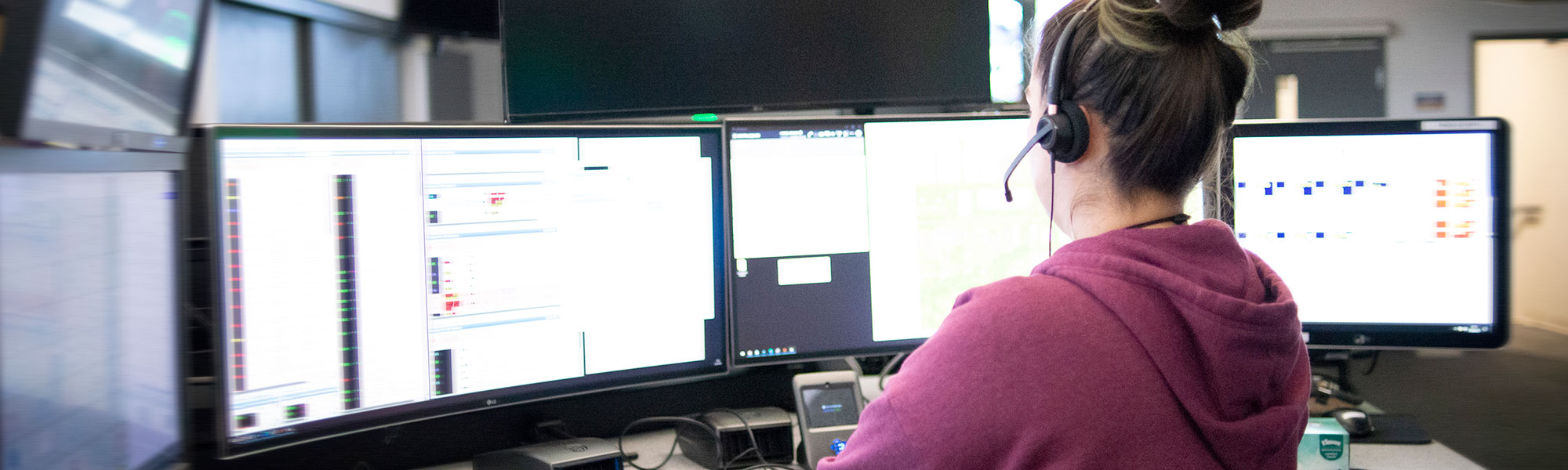

Clackamas County, in partnership with AMR, offers the Nurse Navigation Program to help people who call 911 receive the right level of medical care as quickly and safely as possible.
When a 911 call is received, trained dispatchers assess the caller’s symptoms using established medical protocols. In some cases, callers with non-emergency medical concerns may be connected to a Nurse Navigator—a licensed registered nurse who helps guide them to appropriate care.
How the program works
The Nurse Navigation Program is designed for medical situations that do not require an immediate ambulance response or emergency department care. Instead of automatically being transported to a hospital, eligible callers may be referred to other healthcare options that better match their needs.
Nurse Navigators assess symptoms by phone and help coordinate care, which may include referral to:
- A local medical clinic
- An urgent care center
- Other appropriate non-emergency healthcare services
If at any point a condition is determined to be urgent or life-threatening, emergency medical services are dispatched immediately.
When to call 911
911 should be used for serious or potentially life-threatening emergencies, such as:
- Difficulty breathing
- Chest pain or signs of a heart attack
- Cardiac arrest
- Stroke symptoms
- Severe allergic reactions
- Serious injuries from accidents or falls
- Seizures or other urgent medical situations
Minor illnesses or injuries, such as colds, small cuts, or routine medical concerns, should be addressed through a primary care provider or other non-emergency healthcare services.
Emergency response and medical assessment
If a caller’s condition is urgent or life-threatening, EMS responders are dispatched right away and may transport the patient to a hospital emergency department. When a situation does not require emergency response, the call may be transferred to a Nurse Navigator for further evaluation and care coordination.
Dispatchers use nationally recognized medical protocols to ensure each caller receives the most appropriate response based on their symptoms.
Care coordination and clinic referrals
Nurse Navigators connect callers to the most appropriate care available by considering factors such as the caller’s location, time of day, provider availability, and existing healthcare relationships. Participating clinics offer walk-in access for Nurse Navigation Program patients.
Clinics are notified in advance when a patient is referred through the program, including the reason for the visit and estimated arrival time. Patients are seen as soon as possible after arrival.
Licensed medical providers at participating clinics can evaluate patients and prescribe medications when appropriate.
Follow-up care
Any follow-up or future appointments should be scheduled directly with the clinic where care was provided or with another non-emergency healthcare provider. 911 should not be used to arrange follow-up care.
Patient choice and safety
The Nurse Navigator works collaboratively with callers to determine the most appropriate level of care. If it becomes clear that ambulance transport is needed, EMS will be dispatched without delay.
The Nurse Navigation Program helps ensure emergency services remain available for critical situations while supporting timely, appropriate care for non-emergency medical needs.