Translate



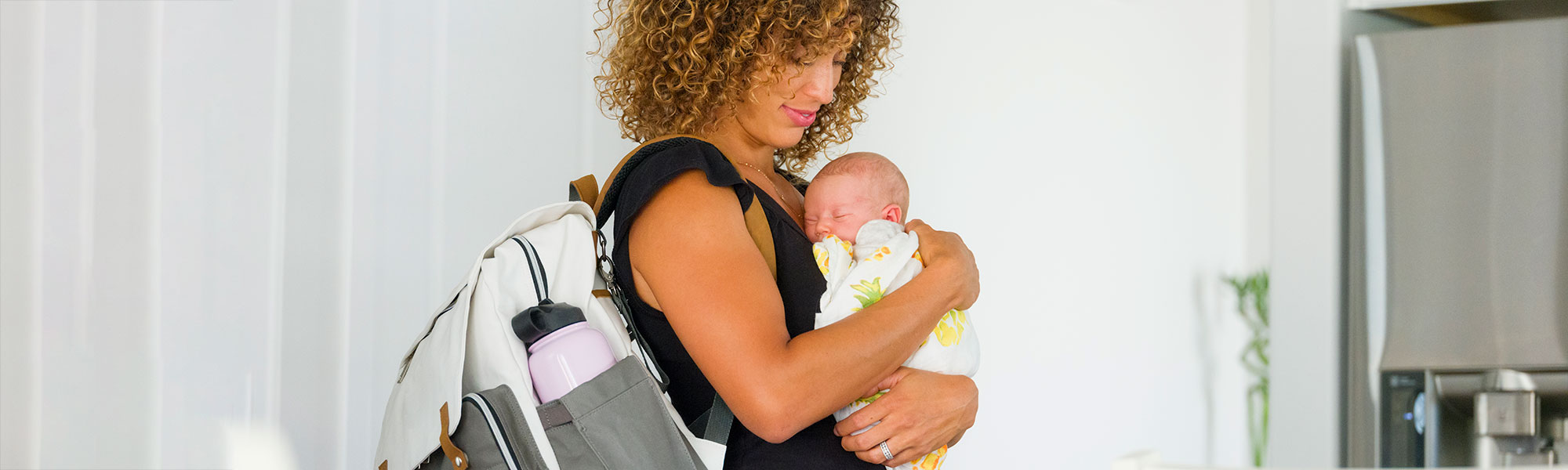

Is your family ready for a disaster, like extreme weather, wildfire or an earthquake?
It’s important to have a family emergency plan ready and an emergency kit packed, especially if you’re pregnant and/or caring for young children. Being prepared can help keep your family safe and make disasters less stressful.
Creating a family emergency plan
Your family may not be together if a disaster strikes. It’s important to know how you’ll contact one another and reconnect if separated and to establish a family meeting place that’s familiar and easy to find. Learn how to make a plan.
Staying informed
Each county has an emergency alerting system that allows them to send urgent information to people based on an address. In the Portland-Vancouver Metro Area, these are called “PublicAlerts.” Sign up in all of the counties where you live, work, go to school and play at.
Preparing your emergency kit
Try to build a kit that will support your family for at least three days. Remember, you might already have many of these items! Review the checklist below and note which items are already in your home.
You can build your kit over time. Start small—buy one or two extra cans of non-perishable foods, wet wipes and bottled water on each shopping trip and set them aside for your kit. Find an area in your home to start collecting items. You can keep them in a large plastic container, garbage bags or even a rolling suitcase.
Three day emergency kit checklist for families with babies or small children
Bottle feeding supplies
- Infant formula and prep materials
- Measuring cup
- Container with lid for mixing
- Bottled water for mixing
- Bottles and nipples
- Small bottle of dish soap for cleaning bottles/ pumps
Nursing and pumping supplies
- Breast milk storage bags or containers
- Small cooler with ice packs
- Breast pump and pump kit parts
- Power cords and extra batteries
- Manual pump in case of a power outage
Food and water
- Water (bottled water, or if tap water is safe, you can fill up any clean container at home)
*It is recommended to have 1 gallon per day per person - Nonperishable baby food (dry cereals/ jarred baby food) and snacks
- Canned foods, including foods high in protein (beans, tuna, fruits, vegetables, peanut butter)
- Can opener
- Paper plates and disposable utensils
- Drinking cups for children
- 4-6 garbage bags
Baby/toddler hygiene and clothing
- Hand sanitizer
- Disinfectant wipes
- One large pack of diapers
- Two packs of baby wipes
- Diaper rash cream
- Re-sealable plastic bags (gallon size) for stashing dirty diapers
- 6-8 outfits for each child
- Children’s shoes
- Two baby blankets
Child transportation
- Baby carrier
- Stroller and/or portable crib (somewhere for your child to rest)
Medical items
- Infant pain reliever with acetaminophen
- Infant thermometer
- Prescription medications
- Prenatal vitamins
Important documents
- Copies of insurance cards
- Vaccination cards
- Identification (driver’s License, birth certificates, state ID, etc.)
- Emergency contact list (written list and list in your phone)
Personal hygiene items
- Soap/ toothbrush/toothpaste
- Pads/tampons
- Wet wipes for sponge bath
- *Grab two rolls of toilet paper and paper towels if available
Child comforts
- If there is time, consider bringing a few items of comfort
- At least two pacifiers, if you use them.
- Favorite blanket/stuffed animal/books
Parents/guardians
Don’t forget to pack clothing/medications and documents for yourself
Pack comfortable clothes, closed toed shoes, special items such as nursing bras, etc.