Translate




Appendix I. Stakeholder Interviews
Purpose
This section describes the methods and findings of the stakeholder interviews conducted by CCPHD staff.
Methods
CCPHD staff interviewed 25 stakeholders. Stakeholders represented a range of County departments, community organizations, and businesses in the cannabis industry. Questions were sent to interviewees in advance. Each interview was held over the course of one hour. See a list of stakeholder roles and organizations, as well as the interview questions.
Notes were taken during each interview and subsequently reviewed by division staff to distill key themes within each question. Counts should be viewed with a level of uncertainty because of the possible omissions in content that may have occurred through this process, as well as differences in note-taking styles between the three staff conducting interviews.
Interview Findings
Current Impacts
Overall, 24 unique impacts were identified through interviews in response to the question What are the current impacts of (legalized recreational) cannabis on the program you oversee? On the people who use your program? Of these 24, 10 were cited more than once across interviews (Figure 1), and 14 were only mentioned once.
The two most frequently mentioned impacts were "worsens mental health" (n=5) and "no impact" (n=5). These results highlight stark differences in perspective in general, but the split is even more pronounced when considering the industry or program that respondents represented. Interviewees from behavioral health programs discussed how cannabis worsens mental health, citing disproportionate impacts on youth and the use of cannabis leading to or exacerbating conditions like depression, anxiety, suicidality, and psychosis. Conversely, stakeholders who described current cannabis legalization as having no impact mainly worked in administrative public service roles or in the cannabis industry.
The next two most frequently cited impacts were "gateway to other substances" and "restrictions on renters". Each were mentioned by four participants. Stakeholders from law enforcement and behavioral health related personal experiences in their work when discussing cannabis use leading to the use of other substances. Regarding restrictions on renters, stakeholders described how this group, including those living in low-income housing, have no access to private space to consume cannabis, thus putting them at risk of possible eviction when choosing to smoke indoors.
Of the remaining impacts mentioned that appeared more than once, six were identified by two participants each. These included: providing pain relief, normalizing a historically stigmatized drug (cannabis), causing children to miss school because of cannabis related causes (confiscation penalties, violence at home), creating unknowns in policies because of lack of regulation standards (law enforcement response protocols and prescription dose recommendations in conjunction with cannabis use), causing unwanted odors in public spaces, and contributing to housing loss.
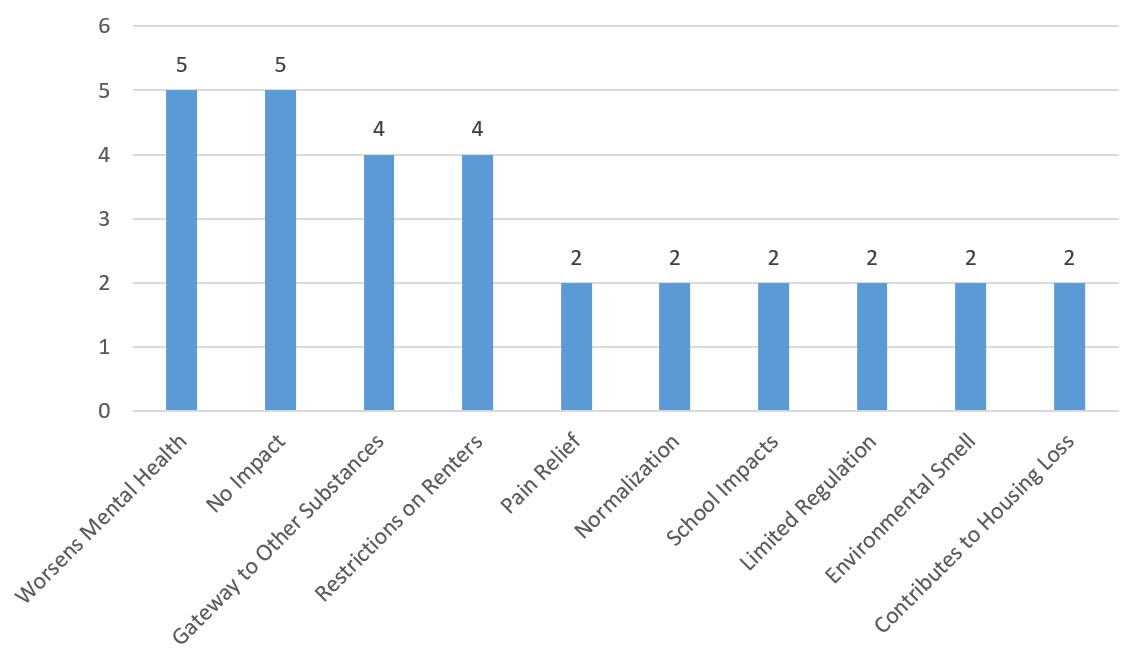
Figure 1. Current Impacts of Cannabis on Cross Sector Programming.
- Worsens Mental Health: 5
- No Impact: 5
- Gateway to Other Substances: 4
- Restrictions on Renters: 4
- Pain Relief: 2
- Normalization: 2
- School Impacts: 2
- Limited Regulation: 2
- Environmental Smell: 2
- Contributes to Housing Loss: 2
Positive impacts that were only cited once include improving mental health, creating a revenue stream for services, providing general health benefits, catalyzing the industry to create safer products, and creating jobs. Negative impacts that were only cited once include decreasing respiratory health, decreasing household ability to respond to other impacts, increasing crime, creating fire hazards, decreasing human capital, decreasing household budget, creating a point inequity in enforcement/ticketing that disproportionately impacts communities of color, and causing traffic to and from rural areas where grow sites are located.
Future Short-Term Impacts
Twenty unique impacts were identified in response to the question What future impacts would public consumption of cannabis have on the work you do or the people you serve? Of these 20, half surfaced multiple times.
The most common impact described was “increased normalization” (n=6). Stakeholders suggested that legalizing public consumption of cannabis would create greater access to and acceptance of cannabis by the public. These effects illustrated a shared belief among stakeholders. However, some understood them to be positive (revenue, public support) while others viewed them as negative (use of other substances, mental health impacts).
The next most frequently cited impacts were “increased use” (n=5) and “decreased road safety” (n=5). Stakeholders posited that new public venues to try cannabis would lead to more new cannabis users, including youth because it would be easier to obtain. They also suggested that established cannabis users would consume more because of greater accessibility.
There were two primary reasons cited for decreases in road safety. The first concerns users not having a frame of reference for cannabis limits—as opposed to potential experience with alcohol and its effects—and therefore not being reliably certain of when it is safe to operate a vehicle. Secondly, stakeholders noted that public venues for cannabis consumption would create travel needs that would likely be met with personal vehicle use, especially in rural areas where public transit is less accessible. Participants believed these factors would create conditions leading to increased safety complaints and DUI issues. Some stakeholders anticipated that public consumption of cannabis would lead to increased worsening of respiratory health outcomes like asthma, COPD, and other long-term impacts that come from inhaling smoke (n=3). This concern applied not only to the cannabis users themselves, but those exposed to secondhand smoke, as well.
Stakeholders highlighted that one short term impact would be supporting cannabis businesses by creating new business opportunities (n=3). Local shops could become social gathering spaces, thus benefiting from increased sales. Additional impacts that surfaced in two distinct interviews included increased use of other substances, increased risk of fire, increases in citizen complaints relating to negative impacts from public use, increased car traffic in rural communities where grow sites are offering consumption opportunities, and the need to create crowd management regulations at events that permit public consumption.
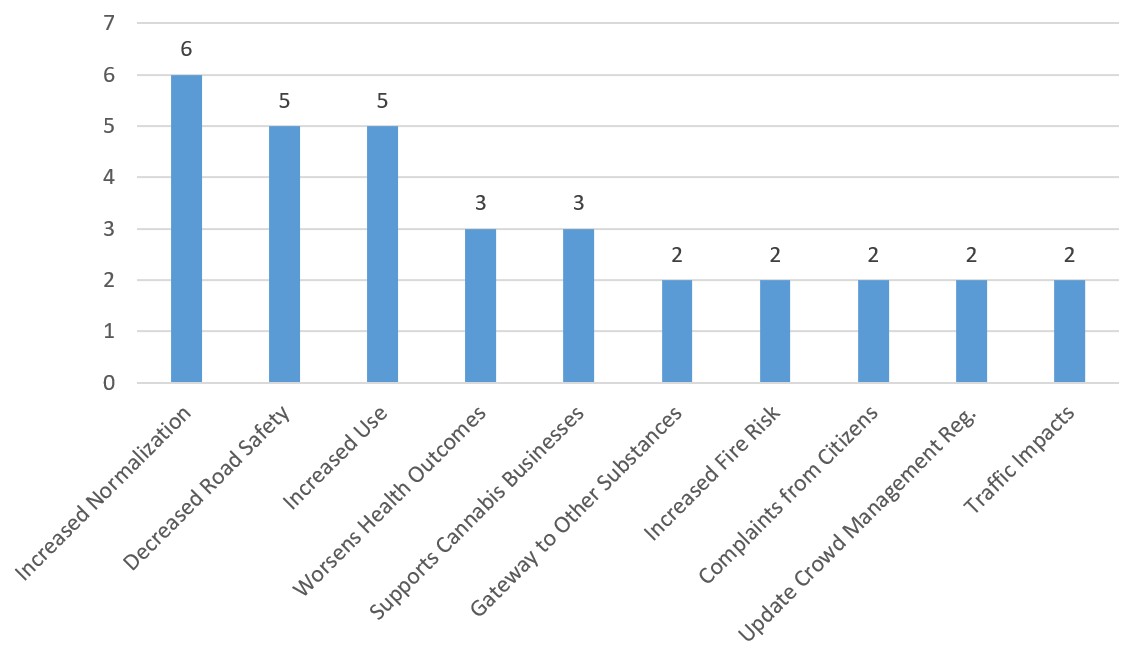
Figure 2. Future Short-Term Impacts of Public Consumption of Cannabis Policy.
- Increased Normalization: 6
- Decreased Road Safety: 5
- Increased Use: 5
- Worsens Health Outcomes: 3
- Supports Cannabis Businesses: 3
- Gateway to Other Substances: 2
- Increased Fire Risk: 2
- Complaints from Citizens: 2
- Update Crowd Management Reg: 2
- Traffic Impacts: 2
Most of these impacts were understood to be negative, except for supporting local cannabis businesses. Increased normalization and increased use are inherently neutral observations, but stakeholders interpreted them differently, perceiving them as either positive or negative.
Additional short term positive impacts of public consumption that only surfaced in one interview include the destigmatization of cannabis, increased user education about cannabis, and improved public health. Additional short term negative impacts include increases in criminal offenses, the creation of barriers to access public consumption spaces, continued use in rental housing, increased trips to the emergency room for over consumption (particularly in first time users), increasing exposure to secondhand smoke, creating need for employee drug testing procedures, and worsening mental health outcomes.
Future Long-Term Impacts
In response to the question What long term impacts would public consumption of cannabis have on the work you do or the people you serve? (long term = 1-5 years) stakeholders cited 13 unique impacts. However, because of the extensive discussion that the previous two interview questions created, many stakeholders referenced impacts already discussed, but applied to a longer period of time.
The most common response was continued normalization of cannabis (n=8). Other impacts that resurfaced from previous questions included supporting cannabis businesses and providing a gateway to other substances (n=3 each). The expansion of cannabis production facilities to meet increased demand surfaced as a new impact, as did the potential for reduced cannabis use over time (n=3 each). A few stakeholders suggested that because of normalization, cannabis use would have less appeal for some current and potential users.
Additional impacts that appeared twice included continued worsening of respiratory health outcomes, continued decreases in road safety, the development of a new workforce, and increases in cannabis potency.
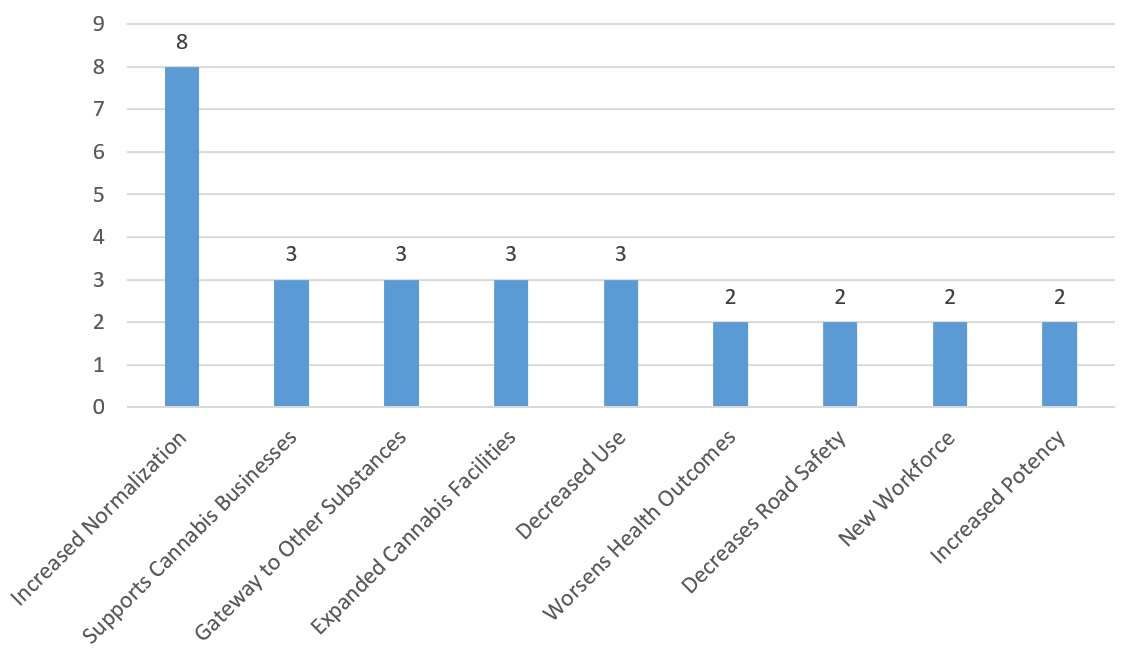
Figure 3. Future Long-Term Impacts of Public Consumption of Cannabis Policy.
- Increased Normalization: 8
- Supports Cannabis Businesses: 3
- Gateway to Other Substances: 3
- Expanded Cannabis Facilities: 3
- Decreased Use: 3
- Worsens Health Outcomes: 2
- Decreases Road Safety: 2
- New Workforce: 2
- Increased Potency: 2
Other long-term changes that were suggested in only one interview included increases in road safety, increases in public health, decreases in youth potential, and decreases in mental health outcomes. The increases in road safety were associated with a net substance use shift of people driving under the influence of alcohol to driving under the influence of cannabis, which the stakeholder suggested could be safer comparatively.
Groups That Would Benefit From Public Consumption of Cannabis Policy
Sixteen unique benefactors were identified as being impacted by public consumption of cannabis policy. The most frequently cited benefactors were local cannabis businesses (n=9). Stakeholders suggested that public consumption policy would drive demand and increase sales opportunities and create more career paths with good wages. The next most frequently cited benefactors were patients who would see increased access to locations allowing consumption of medically prescribed cannabis (n=8), as well as programmatic recipients of cannabis-related tax dollars like schools and enforcement programs (n=8).
Stakeholders cited several other groups that would benefit from increased access and use of cannabis. This included the tourism industry (n=7) as cannabis consumptions sites would draw visitors to the state; small businesses such as print shops, marketing companies, and food suppliers that would see increased demand from cannabis businesses (n=6); the broader cannabis industry as a whole (n=5); and event planners (n=2) that could offer cannabis at their events.
Further impacts noted by stakeholders included the social benefits of recreational users (n=5) and renters with restrictions (n=5) having more spaces available to consume cannabis. The benefits attributed to the general public (n=3) and people driving (n=2) related to a net shift in substance use from alcohol to cannabis, which stakeholders thought would lead to less violence, driving under the influence of alcohol, and other negative societal side effects of alcohol.
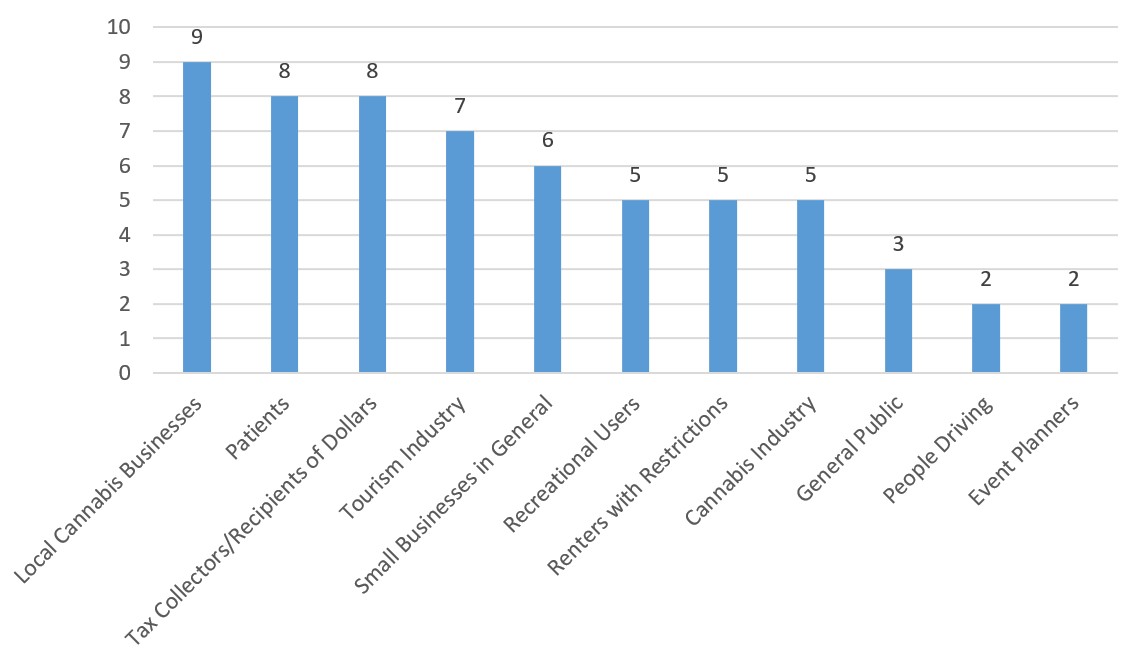
Figure 4. Groups Cited That Would Benefit from Public Consumption of Cannabis Policy.
- Local Cannabis Businesses: 9
- Patients: 8
- Tax Collectors/Recipients of Dollars: 8
- Tourism Industry: 7
- Small Businesses in General: 6
- Recreational Users: 5
- Renters with Restrictions: 5
- Cannabis Industry: 5
- General Public: 3
- People Driving: 2
- Event Planners: 2
Other groups that would benefit that were only cited in one interview include tourists, Black males, people who are houseless, people living in assisted living facilities, and rental property owners.
Groups That Would Be Harmed by Public Consumption of Cannabis Policy
Fourteen unique groups were identified that would experience negative impacts from public consumption of cannabis policy. The most frequently cited group was the general public at large (n=11). This was largely attributed to the health impacts and undesirable odor of secondhand cannabis smoke. The second most frequently cited group was youth (n=10), who were cited for two primary reasons: the impacts of cannabis on developing brains and the social costs of use, including missing school and consuming other substances.
Some groups were cited as being impacted due to their exposure to settings where cannabis would be used, including public safety officers responding to enforcement requests (n=2), neighbors to grow sites (n=2), and people near businesses/events permitting consumption. Additionally, people driving were mentioned as facing the impacts of others operating vehicles under the influence of cannabis.
Stakeholders cited some groups as facing impacts because of health and social reasons. They believed low-income groups (n=3) and communities of color (n=2) would still face barriers to accessing public consumption spaces, and people in recovery may be increasingly exposed to substance use opportunities and therefore face setbacks (n=2). People with existing mental health diagnoses were also mentioned (n=2), as they may try cannabis for the first time and experience negative side effects.
Other groups that were cited as experiencing negative impacts in only one interview included health care providers, for needing to treat more cannabis-related conditions; the alcohol industry, for competing sales; rural areas, due to increased traffic; and employers at large, from a workforce that includes more cannabis users.
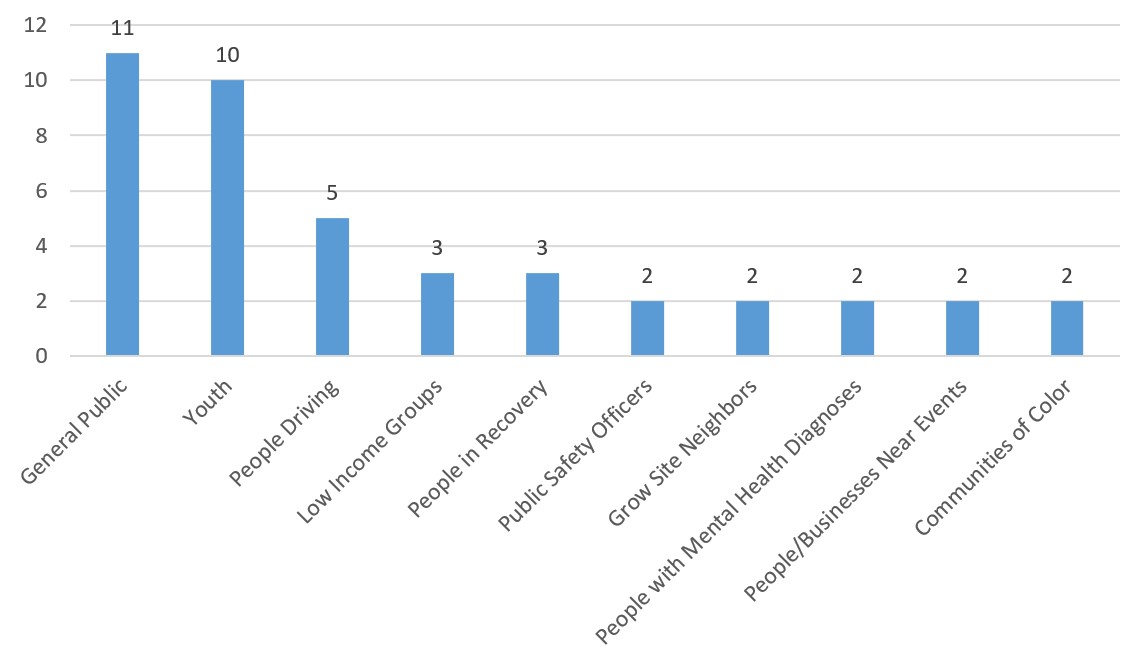
Figure 5. Groups Cited That Would Experience Negative Impacts from Public Consumption of Cannabis Policy.
- General Public 11 Youth 10 People Driving 5 Low Income Groups 3 People in Recovery 3 Public Safety Officers 2 Grow Site Neighbors 2 People with Mental Health Diagnoses 2 People/Businesses Near Events 2 Communities of Color 2
Recommendations
Interviewees suggested a wide range of recommendations to reduce the negative impacts and maximize the positive impacts of public consumption of cannabis. Overall, 40 unique recommendations were made. A majority focused on reducing negative impacts.
Fifteen recommendations appeared across at least two distinct interviews. They can be grouped into the following policy buckets:
- Place-based recommendations
- Zoning requirements (n=6)
- Designated public spaces (n=5)
- Ventilation requirements (n=4)
- Advertising regulations (n=2)
- Change in parks codes/policies (n=2)
- Enhancing enforcement and regulation systems
- Consumption monitoring (n=5)
- Intoxication regulations (n=4)
- Enforcement training (n=3)
- Road safety measures (n=3)
- Penalties for non-compliance (n=2)
- Licensing fees (n=2)
- Policies preventing youth from accessing cannabis (n=2)
- Education systems
- Education campaigns (n=6)
- Long term research on the impacts of public consumption (n=5)
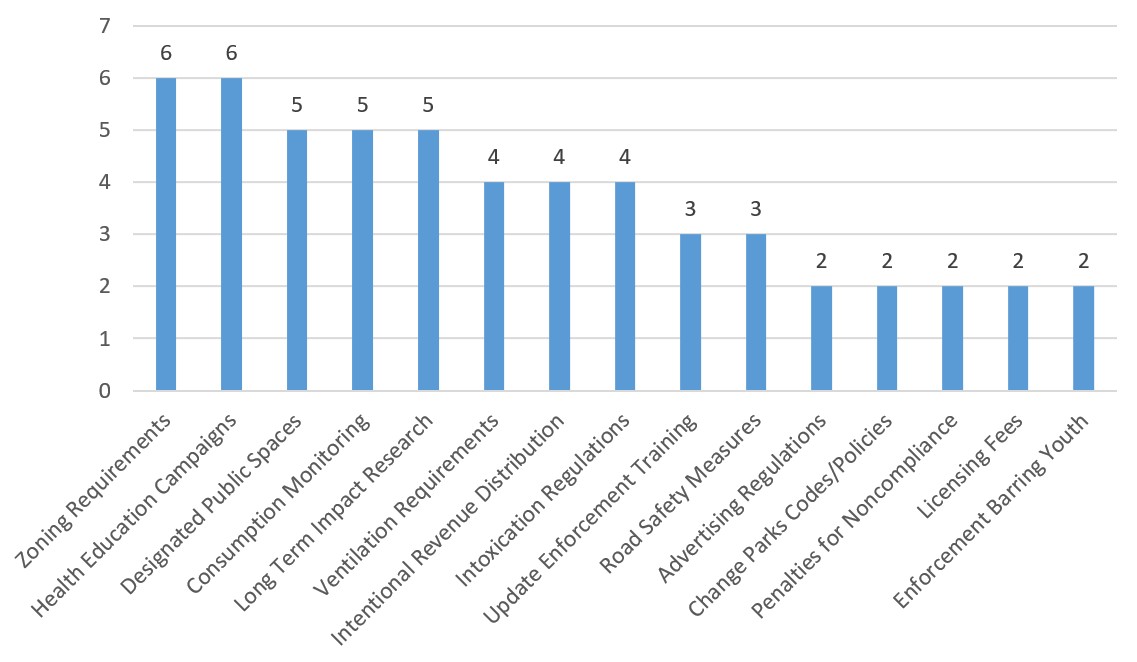
- Zoning Requirements: 6
- Health Education Campaigns: 6
- Designated Public Spaces: 5
- Consumption Monitoring: 5
- Long Term Impact Research: 5
- Ventilation Requirements: 4
- Intentional Revenue Distribution: 4
- Intoxication Regulations: 4
- Update Enforcement Training: 3
- Road Safety Measures: 3
- Advertising Regulations: 2
- Change Parks Codes/Policies: 2
- Penalties for Noncompliance: 2
- Licensing Fees: 2
- Enforcement Barring Youth: 2
Figure 6. Recommendations to Mitigate or Enhance Impacts of Public Consumption of Cannabis Policy.
Key Interview Takeaways
An analysis of the 25 conversations revealed the following key takeaways:
- The most common concern for county stakeholders regarding current cannabis consumption levels are the impacts on mental health outcomes.
- The overarching impact of most concern associated with state-enacted public consumption of cannabis is the normalization of cannabis and increased acceptance, access, and use. Depending on the stakeholder’s line of work and perspective, normalization would either generate positive or negative impacts.
- Primary negative impacts of concern for stakeholders include decreases in road safety from those driving under the influence of cannabis, widening the pathway to other substances by increasing access to cannabis, exacerbating respiratory health outcomes for cannabis smokers and those exposed to secondhand smoke, and complaints related to increased community cannabis use.
- Primary positive impacts cited by stakeholders include supporting local cannabis business revenue, employees and associated economic markets, and increasing access to cannabis to those who otherwise have no space to consume it.
- Stakeholders most frequently cited specific groups that would benefit from public consumption policy (cannabis businesses, medical cannabis patients, recipients of cannabis tax dollars), whereas the groups that would be negatively impacted were cited in broader terms (the general public, youth, people driving).
- Only two of the 25 stakeholders discussed the disproportionate impact of cannabis, either currently or in light of possible future policy, on communities of color.
- The most suggested mitigations or enhancements to public consumption of cannabis policy include place-based health and safety regulations, bolstering enforcement resources, clarifying regulation structures, developing education systems, and conducting ongoing research on policy impacts.
Stakeholders and Interview Questions
| Role | Organization |
|---|---|
| Medical Director | Clackamas County |
| Alcohol Drug Education Program Coordinator | Clackamas County |
| Owner | Cannabis Agricultural Business Park |
| Officer | Clackamas County Sheriff |
| Director | Clackamas County Behavioral Health |
| Certified Alcohol and Drug Counselor | Clackamas County Behavioral Health |
| Community Corrections Manager | Clackamas County Sheriff - Community Corrections |
| Probation Supervisor | Clackamas Juvenile Department |
| Manager | Clackamas County Parks |
| City Manager | City of Molalla |
| Economic Development Manager | Clackamas County |
| Cannabis Grower | N/A |
| Resident Service Coordinator | Clackamas County |
| Property manager | Clackamas County |
| Volunteer | Stafford Hamlet Board |
| Library Director | Clackamas County |
| Community Engagement Coordinator | City of Milwaukie |
| Executive Director | National Alliance on Mental Health (NAMI) |
| Executive Director | Oregon Healthy Equity Alliance (OHEA) |
| Planning Director | Clackamas County |
| Safety Program Manager | Clackamas County |
| Vision Zero Coordinator | Clackamas County |
| Social Services Division Director | Clackamas County |
| General Manager | Stone Creek Golf Course |
| Director | Clackamas County |
Interview Questions
- What is your current role?
- What populations do you serve or represent?
- What are the current impacts of cannabis in the community you serve?
- How significant are these impacts?
- What short term impacts would public consumption of cannabis have on the work you do or the people you serve? (short term = 6 months-1 year)
- What long term impacts would public consumption of cannabis have on the work you do or the people you serve? (long term = 1-5 years)
- What impact would public consumption of cannabis have on social norms related to marijuana use?
- Who could benefit from public consumption of cannabis? What are the benefits?
- Who could be harmed from public consumption of cannabis? What are the harms?
- What rules, programs, or strategies would you like to see implemented to avoid potential negative impacts or maximize potential benefits from public consumption?
- Is there anything else you would like to share on this topic?
Appendix II. Framing Analysis
PURPOSE
This section describes the methods and findings of the frame analysis conducted on testimonies submitted to the Oregon Legislature for House Bills 2233 and 3112.
METHODS
Testimonies submitted during the hearings held for HB 2233 in 2019 and HB 3112 in 2021 were downloaded from the Oregon Legislative Information System (OLIS) website. Descriptive variables collected on each testimony included the type of organization that submitted the testimony, the organization name, and the stance stated on the bill. For each session, each testimony was read once to identify major themes. During the second reading, testimonies were coded to identified frames. For HB 3112, two staff reviewed the testimonies, discussed major themes, conducted independent coding of the sample, and then reviewed results to reach alignment.
DESCRIPTIVE STATISTICS AND FRAME DESCRIPTIONS
HB 2233
Sample Size Description
Twenty-eight documents submitted as testimony were reviewed.
Testimonies by Organization Sector
Five sectors representing the local cannabis industry, the public at large (residents), government actors, advocacy groups in general, and advocacy groups focused on health issues submitted 28 testimonies. The two most prominent sectors were local cannabis industry (n=8) and residents (n=6).
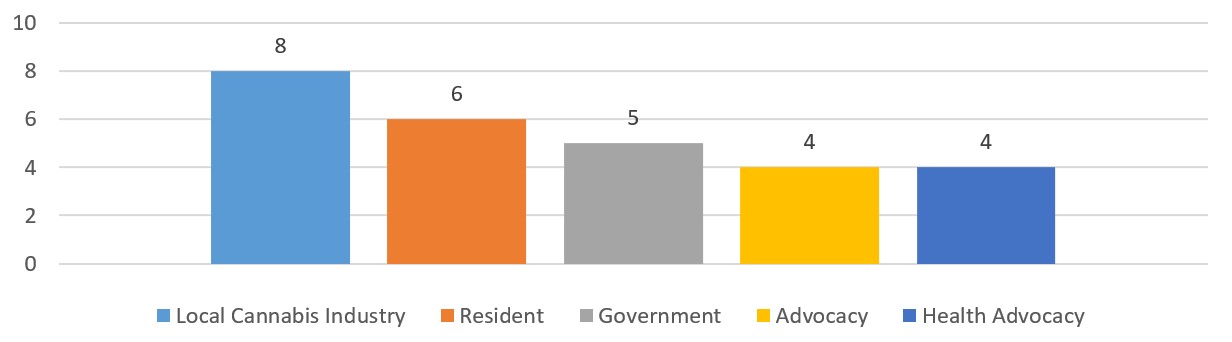
Figure 7. Organizations by Sector That Submitted Testimony for HB 2233.
- Local Cannabis Industry: 8
- Resident: 6
- Government: 5
- Advocacy: 4
- Health Advocacy: 4
- Unknown: 1
Testimonies by Bill Stance
A narrow majority of testimonies submitted (n=15) were in support of HB 2233. Twelve testimonies were in opposition of the bill, and one was neutral.
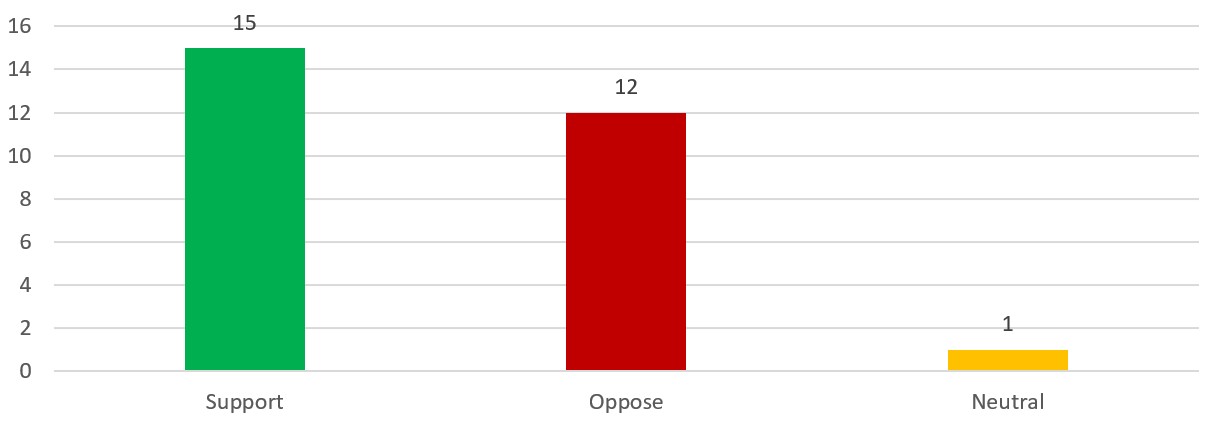
Figure 8. Bill Stance of Testimonies Submitted for HB 2233.
- Support: 15
- Oppose: 12
- Neutral: 1
HB 3112
Sample Size Description
Overall, 71 documents submitted as testimony were reviewed. Of these 71 documents, 13 were supplementary reports, amendment documents, or presentation slides. These were not included in the frame analysis, leaving the final sample size at 58 testimony documents.
Testimonies by Organization Sector
For roughly one third of the sample size (n=20), there was not enough information available to determine which sector the speaker was representing. Seven different sectors were identified: local cannabis industry representatives, law firms, the public at large (residents), government actors, academic institutions, advocacy groups focused on health issues, and advocacy groups focused on culturally specific services and communities of color (CoC). The two most prominent sectors that testified were representatives from the local cannabis industry (n=13) and law firms (n=12). Local cannabis industry speakers included BIPOC cannabis business owners, cannabis industry advocates, and cannabis workers associations.
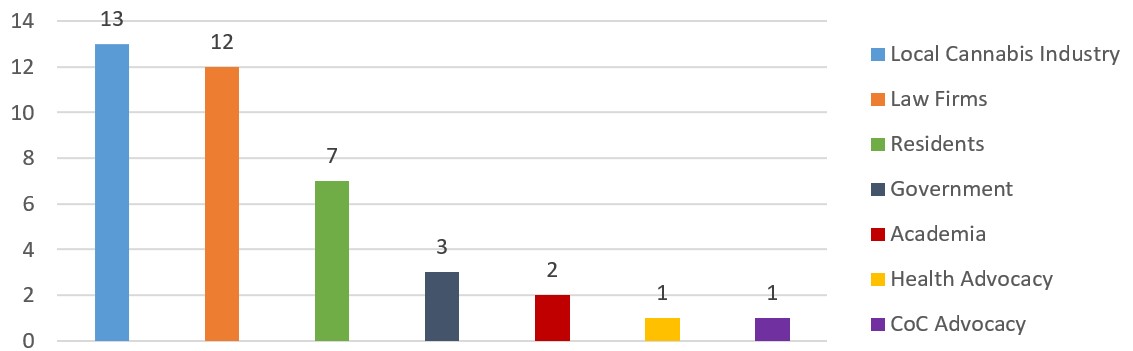
Figure 9. Organizations by Sector That Submitted Testimony for HB 3112.
- Local Cannabis Industry: 13
- Law Firms: 12
- Residents: 7
- Government: 3
- Academia: 2
- Health Advocacy: 1
- CoC Advocacy: 1
Testimonies by Bill Stance
A majority (n=38) of the testimonies submitted were in support of HB 3112. Ten testimonies opposed the bill. Eleven either stated they were not taking a position or did not clearly articulate a position in the documentation submitted. These “neutral” testimonies typically provided commentary on the mechanics of the bill itself from a legal or technical/implementation perspective.
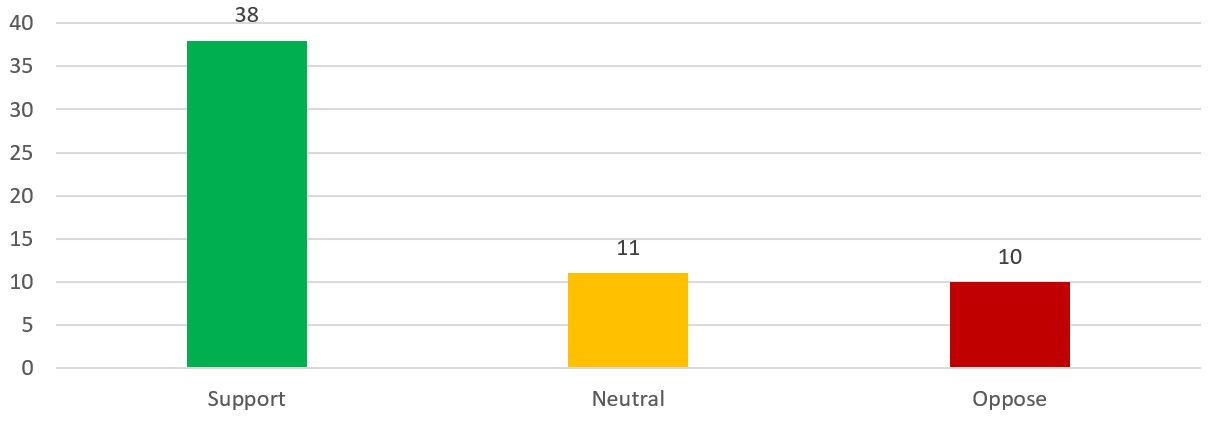
Figure 10. Bill Stance of Testimonies Submitted for HB 3112.
- Support 38 Neutral 11 Oppose 10
FRAMES
HB 2233
Supporting Frames Overview
Eight unique, positive frames were identified in the analysis. The most common frames in support of the bill were Cannabis Equity - Use (n=8) Support Business (n=7), Promotes Tourism (n=6), and Normalized (n=5).
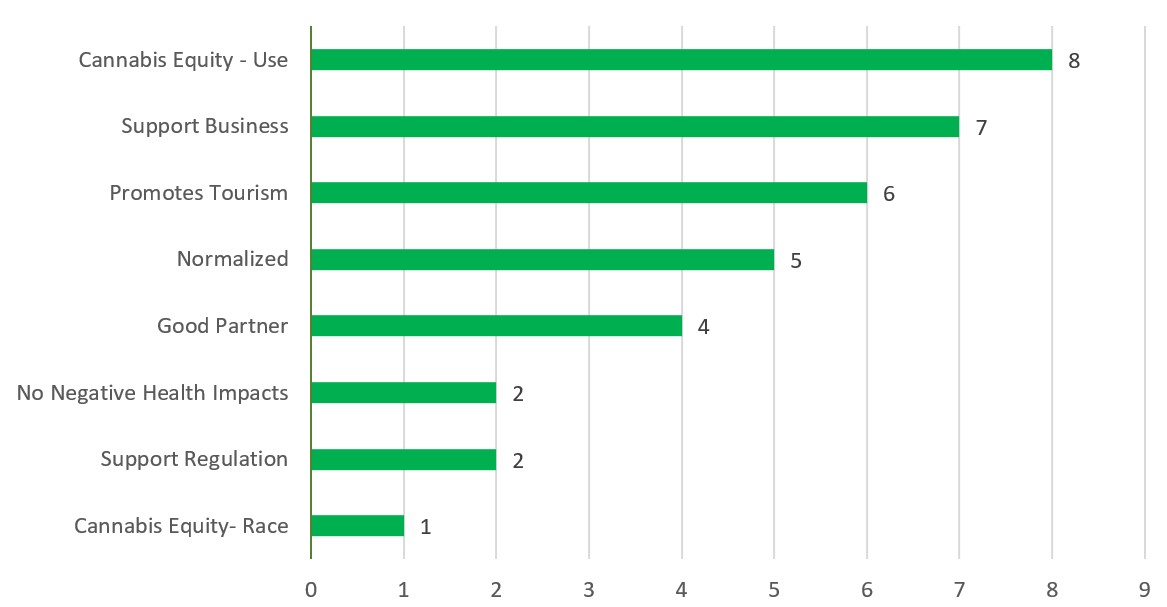
Figure 11. Frequency of Supporting Frames for HB 2233.
- Cannabis Equity- Race: 1
- Support Regulation: 2
- No Negative Health Impacts: 2
- Good Partner: 4
- Normalized: 5
- Promotes Tourism: 6
- Support Business: 7
- Cannabis Equity - Use: 8
Supporting Frame Descriptions
| Frame | Description |
|---|---|
Cannabis Equity - Use Communities need safe places to use cannabis, especially for those in public housing; has health benefits; the current system is broken in this regard and needs to be fixed. (n=8) |
|
Supports Business Cannabis consumption will support local businesses and business owners, trickle over into other industries, and fuel Oregon's economy. (n=7) |
|
Promotes Tourism Cannabis industry is a tourism driver in Oregon, limiting this bill would limit tourism. (n=6) |
|
Normalized Cannabis culture has become common and accepted as part of our society. Restricting public consumption is outdated, devalues the culture, and perpetuates stigma. (n=7) |
|
Good Partner Cannabis industry and stakeholders will take steps to benefit the community and make a positive impact in the state, details ways in which the legislation would accommodate health concerns. (n=4) |
|
Support Regulation Advocates for providing OLCC with the resources they need to uphold regulation. (n=2) |
|
No Negative Health Impact HB 3112 will support the overall cannabis industry. (n=2) |
|
Cannabis Equity - Race Cannabis consumption prohibition and regulation has disproportionately affected communities of color. Providing safe spaces where public consumption is legal helps reverse this. (n=1) |
|
Opposing Frames Overview
Six unique opposing frames were identified in the analysis. The most common was ICAA & Health, which was used in eight testimonies opposing the bill. The next most frequent frames were Impacts Youth, Road Safety, and Lack of Regulation.
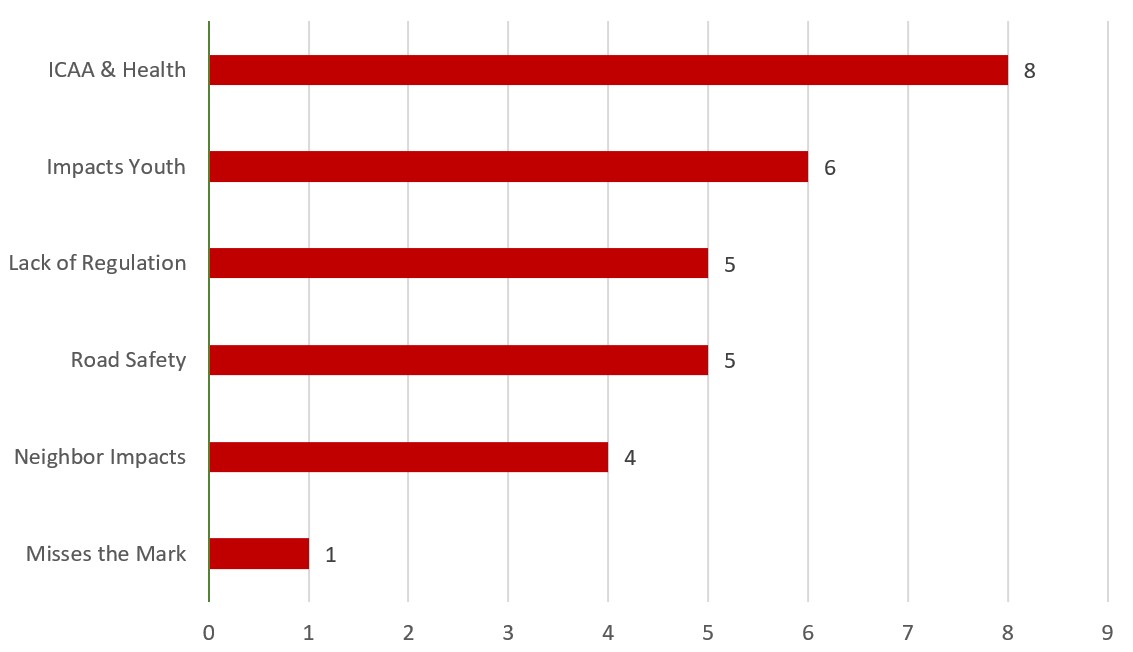
Figure 12. Frequency of Opposing Frames for HB 2233.
- Misses the Mark: 1
- Neighbor Impacts: 4
- Road Safety: 5
- Lack of Regulation: 5
- Impacts Youth: 6
- ICAA & Health: 8
Opposing Frames Descriptions
| Frame | Description |
|---|---|
ICAA & Health Public consumption of cannabis would lead to violation of the Oregon Indoor Clean Air Act (ICAA), exposing workplace employees and Oregonians at large to harmful secondhand smoke. (n=8) |
|
Impacts Youth The legislation will negatively affect youth. (n=6) |
|
Road Safety Public consumption of cannabis will increase the number of road crashes, injuries, and fatalities. There are limited resources and regulations available to support law enforcement in managing cannabis -related driving. (n=5) |
|
Lack of Regulation Infrastructure or research is not in place to support the bills, the Oregon Liquor and Cannabis Commission (OLCC) is already overwhelmed and will be unable to enforce regulation, and counties are not equipped to deal with health impacts. (n=5) |
|
Neighbor Impacts Legislation would have disparate impacts on neighboring properties in rural areas. (n=4) |
|
Misses the Mark Legislation will not address the issues that pro-legislation groups say it will, cannabis lounges will not be for everyone, people will still consume on street corners, people do not come to Oregon for just cannabis tourism. (n=1) |
|
HB 3112
Supporting Frames Overview
Eight unique, positive frames were identified in the analysis. The most common frame was Racially Just Policy (n=35), which appeared twice as often as Right Reinvestment (n=14), the next most frequent frame. Three frames were also identified in the HB 2233 analysis (Cannabis Equity – Use, Economic Support and Health Benefit). These frames did not appear as frequently in testimony for this bill.
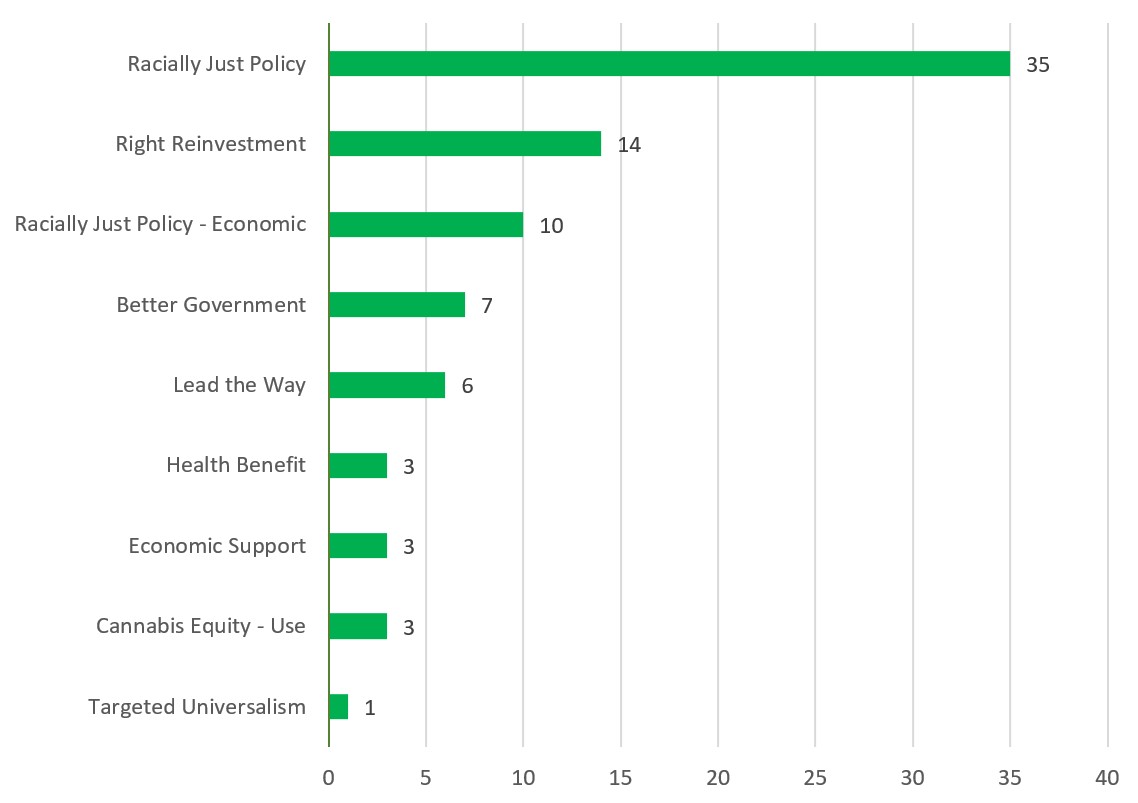
Figure 13. Frequency of Supporting Frames for HB 3112.
- Targeted Universalism: 1
- Cannabis Equity - Use: 3
- Economic Support: 3
- Health Benefit: 3
- Lead the Way: 6
- Better Government: 7
- Racially Just Policy - Economic: 10
- Right Reinvestment: 14
- Racially Just Policy: 35
Supporting Frame Descriptions
| Frame | Description |
|---|---|
Racially Just Policy HB 3112 will enact policies that will center and benefit communities of color who were disproportionally impacted by cannabis regulation, prohibition, and criminalization in the past during the War on Drugs. (n=35) |
|
Right Reinvestment Reinvestment of cannabis tax revenue back into communities of color that have experienced the most harm from the industry is a just investment and good use of public dollars. (n=14) |
|
Racially Just Policy - Economic Communities of color face challenges entering the cannabis industry. HB 3112 will create systems changes that will level the playing field for BIPOC business to thrive in the industry. (n=10) |
|
Better Government The Cannabis Equity Governing Body is a crucial element to ensuring community voice is integrated into government policy and decision-making. Incorporating a racial equity lens to policy development and program oversight is a practice that will improve government. (n=7) |
|
Lead the Way Oregon has the opportunity to be a national leader in advancing policy focused on racial equity in cannabis by passing this policy. (n=6) |
|
Cannabis Use - Equity Currently, cannabis access is not available to people who rent or live in affordable housing, which creates an inequity attached with barriers to medicinal cannabis and risks of losing housing. (n=3) |
|
Economic Support HB 3112 will support the overall cannabis industry. (n=3) |
|
Health Benefit The bill will support better health outcomes. (n=3) |
|
Targeted Universalism Focusing on the needs of the few who face the highest barriers in the cannabis sector, and addressing their needs through systemic policy solutions, benefits everyone. (n=1) |
|
Opposing Frame Overview
Seven unique opposing frames were identified in the analysis. The most common opposing frame was Color Blind Policy. It was used in 8% of all the testimonies and 50% of the opposing testimonies (n=6). The next most frequent frames were Impacts Youth – Education Fund, ICAA & Health, and Government Overreach. Four of the frames were also identified in the analysis of HB 2233 (ICAA & Health, Impacts Youth, Road Safety, and Lack of Regulation). These frames did not occur as frequently in testimonies for this bill in comparison to HB 2233.
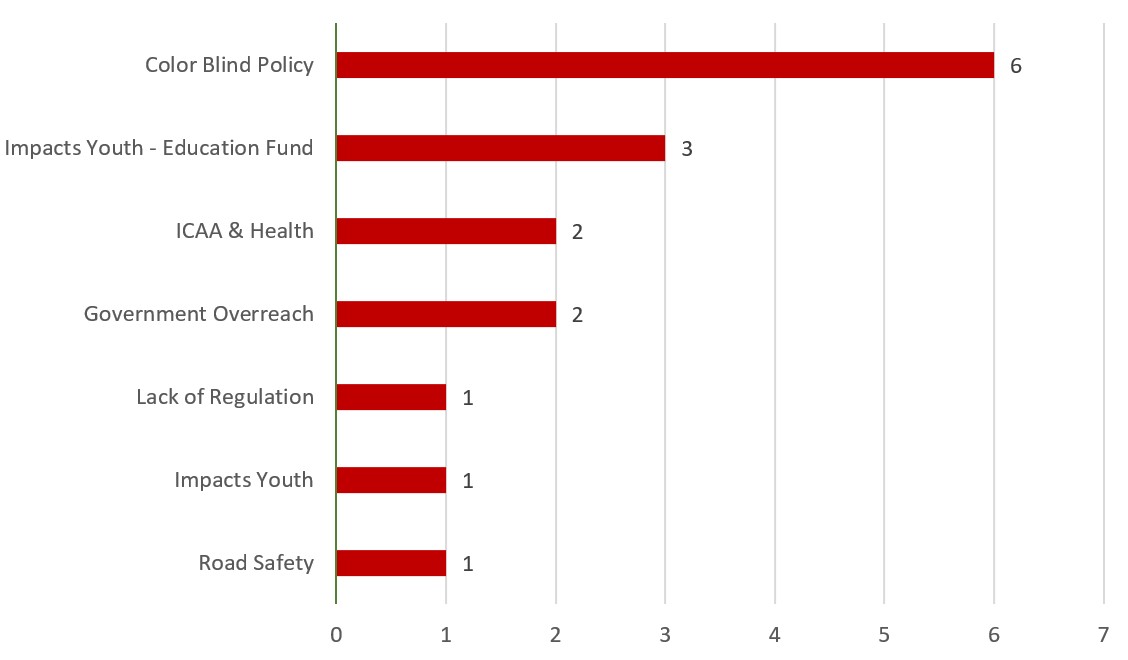
Figure 14. Frequency of Opposing Frames for HB 3112.
- Road Safety: 1
- Impacts Youth: 1
- Lack of Regulation: 1
- Government Overreach: 2
- ICAA & Health: 2
- Impacts Youth - Education Fund: 3
- Color Blind Policy: 6
Opposing Frame Descriptions
| Frame | Description |
|---|---|
Color Blind Policy HB3112 is not fair because it only benefits a small group of people, determined by race. (n=5) |
|
Impacts Youth – Education Fund Removing funds from the school fund does not support youth education and is not a good use of cannabis tax dollars. (n=3) |
|
Lack of Regulation Infrastructure or research is not in place to support the bills, OLCC is already overwhelmed and will be unable to enforce regulation, counties are not equipped to deal with health impacts. (n=1) |
|
ICAA & Health Public consumption of cannabis would lead to violation of the ICAA, exposing workplace employees and Oregonians at large to harmful secondhand smoke. (n=2) |
|
Government Overreach The state government should not be supporting or engaging in policy related to cannabis. (n = 2) |
|
Impacts Youth Legislation will negatively impact youth and propagate normalization. (n=1) |
|
Road Safety Public consumption of cannabis will increase the number of road crashes, injuries, and fatalities. There are limited resources or regulations available to support law enforcement in managing cannabis-related driving. (n=1) | Oregon loses dozens of lives every year due to drug driving. Do we really want to encourage on-premises consumption of THC? The legal definition of how much marijuana can be consumed before driving has not been scientifically determined. (47) |
DISCUSSION OF FINDINGS
Key takeaways from this assessment include:
- During the sessions for both bills, most of the testimonies were submitted in support of the bills.
- During the session for HB 2233, testimonies came from cannabis businesses, citizens, government agencies, and community-based and health advocacy groups. During the session for HB 3112, testimonies came from lawyers and academic institutions, as well as the same stakeholders for HB 2233. Fewer health advocacy groups testified on HB 3112. The main difference is the number of testimonies representing law firms and academia.
- There were eight supporting frames used in support of HB 2233, and six opposing frames.
- The most common supportive frames focused on creating equitable access of cannabis to renters, supporting local cannabis businesses and local tourism, and the benefits of normalizing and destigmatizing cannabis.
- The most common opposing frames included the respiratory risk associated with indoor smoking and vaping, violation of the ICAA, negative impacts of normalization on youth, the increased risks related to road safety, and the lack of regulation on cannabis.
- There were nine supporting frames used in support of HB 3112, and seven opposing frames. Advocates in support of the bill tended to use multiple frames in their testimonies while those in opposition only cited one or two frames.
- The most common supportive frames included two equity arguments: (1) the bill would reverse past harms committed against communities of color because of unfair cannabis policing, and (2) the bill would invest in communities of color by increasing BIPOC representation in the cannabis industry.
- The most common opposing frame argued that the bill achieved the opposite of advancing equity by only benefiting a few. Other frames mirrored those found in HB 2233, including Impacts to Youth, Violation of the ICAA and Associated Respiratory Health Impacts, and Road Safety.
- There were several key differences in the advocacy frames used between the two sets of testimonies:
- An almost entirely new set of commonly used supporting frames was identified for HB 3112, whereas opposing frames only added one new frame and repeated others from HB 2233.
- Differences in actors who submitted testimonies across the two sessions should be interpreted within the context of the COVID-19 pandemic, which may have limited participation from health advocates.
- Frames around equity almost entirely shifted to center communities of color in HB 3112 as opposed to the centering of low-income renters in HB 2233. This was likely a result of significant changes in bill and policy language between sessions and proposals.
- Despite the increase in overall number of testimonies between sessions, the number of opposing frames cited in testimonies for HB 3112 decreased by almost 50%. Fewer people mentioned the risk of exposure to secondhand smoke and driving under the influence, which is likely a result of having removed the allowance of indoor consumption of combustible and vape products.