Translate




We work closely with community partners to ensure everyone has access to judgement-free testing and treatment resources.
Your primary care provider and most doctors are happy to sit down with you to discuss your sexual and reproductive health, including testing and prevention options for sexually transmitted infections.
Common sexually transmitted infections (STIs)
Sexually transmitted infections (STIs) are infections that are spread from one person to another, usually during vaginal, anal and oral sex. They’re common and many people who have an STI may not know or be aware of symptoms.
Chlamydia
Chlamydia is a common bacterial infection that is easily cured with medicine but can be dangerous if not treated.
Symptoms in the genitals may include:
- Abnormal discharge
- A burning feeling when peeing
- Pain and swelling in one or both testicles
You can also get chlamydia in your throat or anus. Symptoms may include:
- Sore throat
- Mouth sores
- Swollen tonsils or lymph nodes
- Pain, discharge or bleeding from the anus
Treatment: A medical provider will prescribe antibiotics. They may also give you prescriptions to give to sexual partners.
Gonorrhea
Gonorrhea is a common bacterial infection that is easily cured with medicine but can be dangerous if not treated.
Symptoms in the genitals may include:
- Abnormal discharge
- Painful or burning feeling when peeing
- Vaginal/front hole bleeding between periods
- Swelling or redness at the opening of the penis
- Swelling or pain in the testicles
You can also get gonorrhea in your throat or anus. Symptoms may include:
- Itchy or sore throat that doesn’t go away
- Pain, itching, soreness, discharge or bleeding from the anus or pain when you poop
Treatment: A medical provider will prescribe antibiotics. They may also give you prescriptions to give to sexual partners.
HIV & AIDS
HIV (human immunodeficiency virus) is an infection that breaks down your immune system and can lead to AIDS (acquired immunodeficiency syndrome).
Symptoms may include:
- Flu-like symptoms 2-4 weeks after infection for some people
- Otherwise, no symptoms in early stages
Treatment: There is no cure for HIV, but there are medications that can help you stay healthy and prevent you from spreading HIV to others. For almost everyone who starts taking their medication as prescribed, the amount of virus in the body will drop to an undetectable level in six months or less. This means they have effectively no risk of sexually transmitting the virus to their partner.
Prevention:
- Get tested frequently. If you test positive, get treatment!
- Talk to a healthcare provider and find out if pre-exposure prophylaxis (PrEP), a medicine that reduces your chance of getting HIV, is a good option for you.
- If you may have been exposed to HIV, talk to a healthcare provider about post-exposure prophylaxis (PEP), which can help prevent you from getting HIV after being exposed, as soon as possible.
Syphilis
Syphilis is a bacterial infection that is on the rise in Oregon. It’s easily cured with medicine but can be very dangerous if not treated. Syphilis infections happen in stages.
Primary syphilis is the first stage. Symptoms may include:
- One or more small, painless sores (chancres) where the bacteria entered your body, which is usually your genitals or anus and sometimes your lips or mouth.
- Swollen lymph nodes around the area where the bacteria entered the body (groin or neck)
Secondary syphilis is the second stage if primary syphilis is not treated. Symptoms may include:
- A red or brown rash, often on palms of hands and soles of feet
- Wart-like bumps on the genitals and areas where skin folds
- Hair loss, swollen lymph nodes and/or white or yellow patches in the mouth
- Fever, sore throat, muscle aches and/or headaches
Latent syphilis is the third stage and may not cause any signs or symptoms but can lead to serious health problems like vision or hearing loss, numbness and tingling in limbs, heart disease, memory loss, personality changes and dementia. If a person is pregnant, it can cause birth defects and death for the baby.
Treatment: A medical provider will prescribe antibiotics. More medicine is needed to treat someone who has had syphilis for more than a year.
High risk behaviors
High-risk behaviors can increase your chances of contracting HIV and other STIs. If you engage in the following, you may want to get tested for STIs more frequently:
- Illicit drug use
- Sex without a condom
- Exchanging sex for money or non-monetary items
- Sex with multiple partners or anonymous partners
Safer sex
Methods you can use to reduce the risk of HIV and other STIs:

Condoms and dental dams
When used correctly every time, condoms and dental dams (for oral sex) are very effective in preventing sexual transmission of HIV and reduce the risk for many other STIs. Always remember to use condom safe lubricant!
Testing
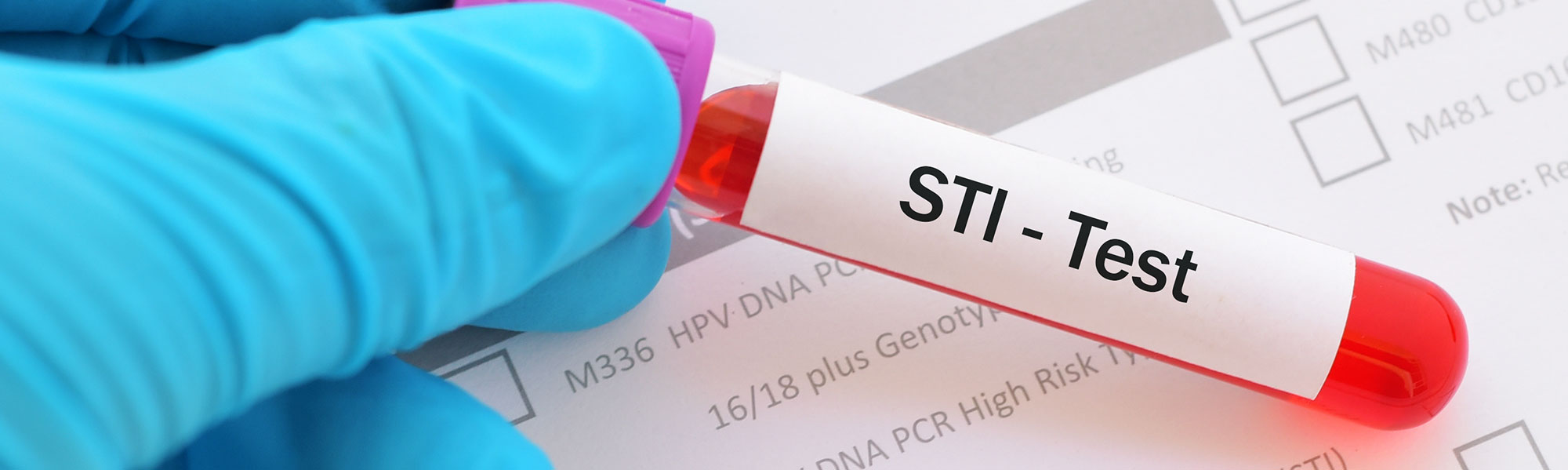
Getting regular testing and treatment, especially if you engage in higher risk sexual behaviors, will reduce the chance of getting and spreading STIs. Often, a person may have an STI and have no symptoms, so regular testing and getting treated right away will help stop the spread of STIs.

Preventive medicine
Ask your healthcare provider if PrEP or DoxyPEP (a medication that helps prevent gonorrhea, chlamydia and syphilis infections) is right for you.

Communicate
Have an honest and open talk with a healthcare provider about ways you can reduce your risk. It’s also important to speak openly with any sexual partner(s) about safer sex practices and about STIs.
Get tested
Anyone who is sexually active should get tested regularly for STIs, which can easily be diagnosed and treated. If you or your partner have an STI, you both need to be treated at the same time to avoid reinfection.
- Free at-home STI testing kits delivered to Oregon residents
- Free HIV and syphilis testing at a lab convenient for you at STDcheck.com (testing for other STIs is also available for a fee)
- HIV and hepatitis C testing with Outside In
- How to Prevent Sexually Transmitted Diseases
- STI, HIV and hepatitis C testing with CAP
STI testing in Oregon
- Find a testing clinic
Enter your zip code to find a location near you. Many free and low-cost options. - Find a lab for testing
Free HIV and syphilis testing for Oregon residents 18+. Click "Find a Lab" to find testing locations in your area. Once you have selected your lab location, call 1-800-456-2323 and press 1 to request your test. - Order an at-home test kit
At-home HIV, syphilis and other STI test kits. Free for Oregon residents.
Resources for people living with HIV
Clackamas County Public Health Division is committed to ensuring that all individuals who are HIV-positive are connected to the supports, services and resources that they need. If you have questions or need information about HIV prevention services and resources, please contact Clackamas County Public Health Division at 503-742-5300.
We also partner with the following organizations to provide services to HIV-positive individuals in our community:
- Cascade AIDS Project (CAP)
Network of programs and service for people living with HIV, including housing assistance, Care Link, and culturally specific medical case management and family support. - Oregon HIV/STD Hotline
For help, call 800-777-2437 or 800-499-6940 en español - Our House of Portland
Healthcare, housing, and other vital services to low-income people living with HIV/AIDS. Our House also operates Esther's Pantry and Tod’s Corner that provide free clothing, personal and household goods, as well and pet food. - Partnership Project
Case management to people living with HIV to ensure access to information, treatment and support services. - Quest Center for Integrative Health
Holistic support services for people living with HIV/AIDS, including individual and group mental health counseling, and Women of Wisdom, the only program exclusively for HIV-positive women and their children in Oregon and SW Washington.
Additional STI Resources
- Congenital Syphilis
- End HIV Oregon
- SyphAware: Testing and curing syphilis
- Syringe Exchange Services
- Understanding Mpox
- What is Hepatitis?
Sexual Reproductive Health Coalition
 Clackamas County’s Sexual Reproductive Health Coalition started in January 2019 as a community response to rising sexually transmitted infections. We focus on advocacy, access, shared resources, data and research .
The goals of the coalition are to:
- Facilitate meaningful connections across organizations involved in SRH work
- Increase access to reproductive health services
Public health staff and community partners meet in person twice per year and operate a strategic resource sharing Google Group for SRH members. Interested in joining the coalition? Send us an email at srhcoalition@clackamas.us.
Want to learn about the coalition’s past work? Watch a panel we hosted on gender-affirming care.