 Translate


County Administrator Issues/Updates (Virtual) - Feb. 8, 2022
Via virtual technology


Water Environment Services
Your request has been sent.
Clackamas Water Environment Services is beginning a project to improve the environmental functions of 3-Creeks Protected Area.
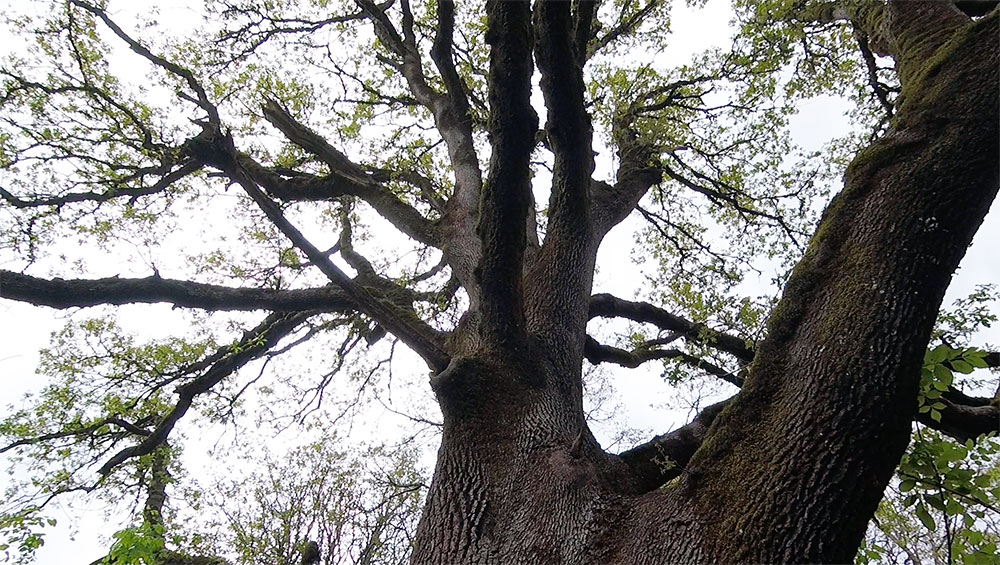
Oregon White Oak at 3-Creeks Protected Area
Three creeks — Mt. Scott, Phillips and Dean Creeks — converge on the site to form Mt. Scott Creek, making it an important location for surface and stormwater management and natural habitat. Mt. Scott Creek flows into Kellogg Creek and then to the Willamette River.
Urbanization is taking a toll on the site, with streams eroding, habitat changing and flooding of developed properties becoming more common. This project will enhance the floodplain, improve water quality, improve fish and wildlife habitat and provide opportunities for pedestrian access and environmental education on the site, where feasible.
3-CreeksProtected Area benefits our entire region.
3-Creeks Protected Area Floodplain Enhancement
Project Presentation - Dec. 2, 2021
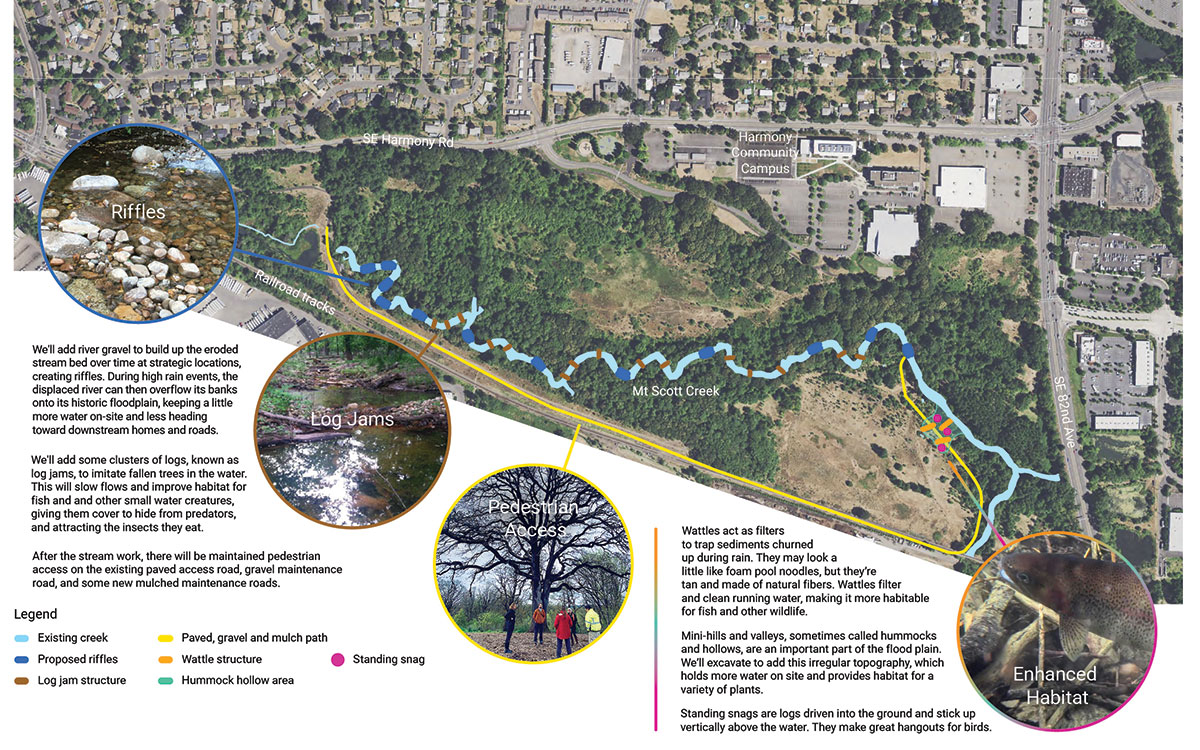
Aerial view of the 3-Creeks site showing the locations and examples of the planned riffles, log jams, pedestrian access, and hummocks and hollows
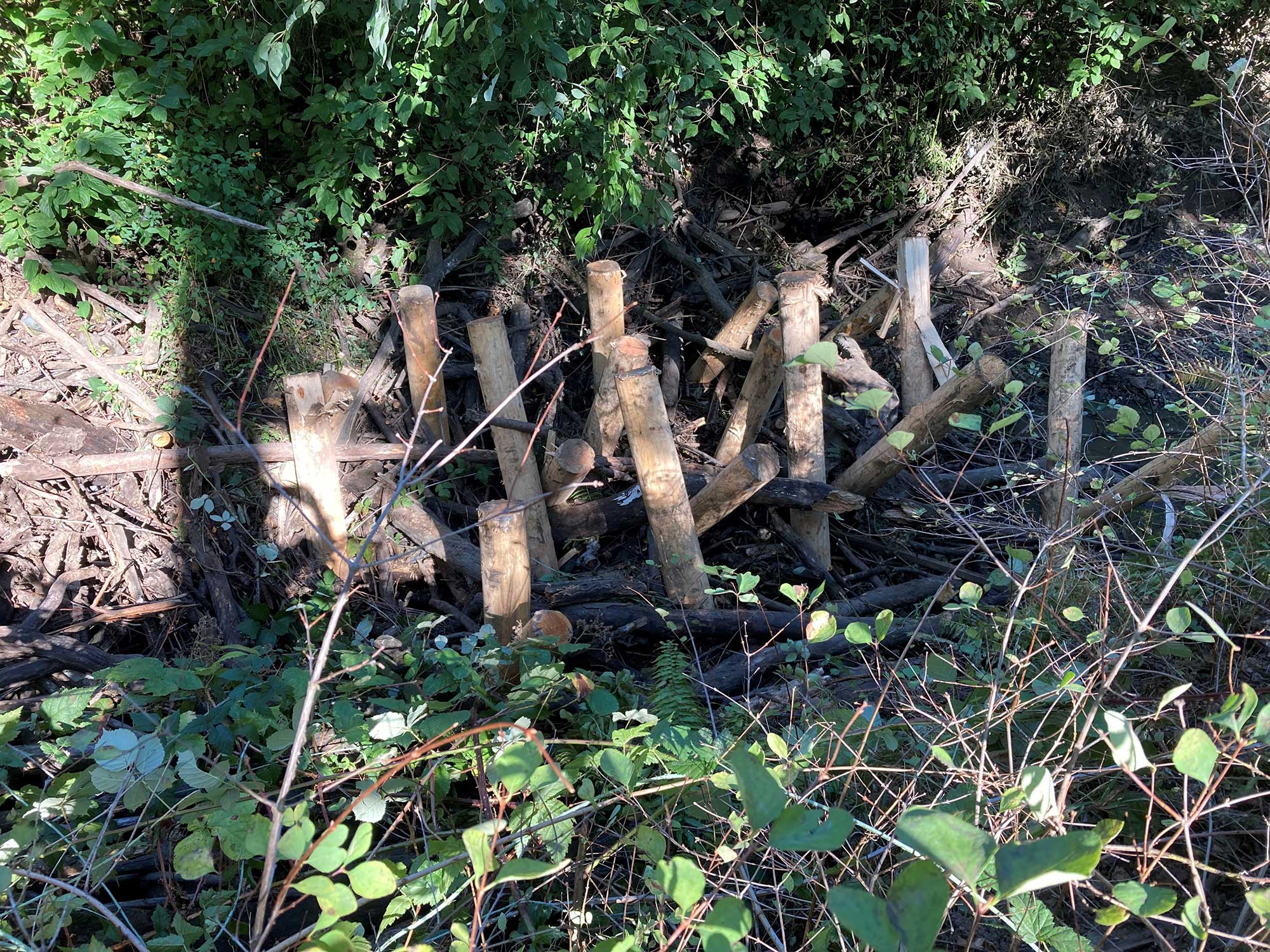
Post reinforcement structures installed
Clackamas Water Environment Services (WES) celebrated the groundbreaking of the 3-Creeks Protected Area Floodplain Enhancement Project with county officials and our amazing partners.
Most wipes (check the label!), paper towels, and other "unflushables" can create a sewer backup in your home. Flush only toilet paper, pee and poo and protect your home, the sewer system, and the environment.
Use a trash can instead of the toilet to dispose of items that don’t break down.
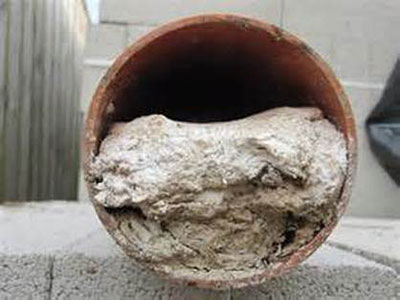 Trash and liquefied fat, oil, or grease that is poured down the sink add or flushed down the toilet can cling to the insides of pipes and sewers. Over time it can build up and block pipes completely. When wastewater can’t move freely through the sewer system due to these blockages, it can cause flooding in local neighborhoods and sewer backups in your home!
Sewer backups happen when raw sewage can’t flow through the sewer system and is forced back into your home. Wipes—yes, even “flushable” ones, and other material that doesn’t break down in water may clear your toilet, but they can get caught in your internal plumbing.
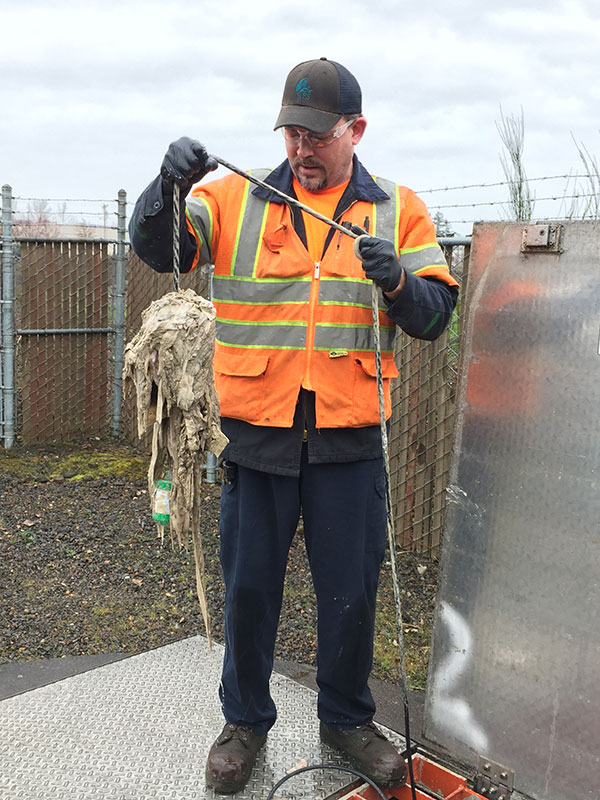 When trash isn't busy causing clogs in our sewers systems, it's wreaking havoc on our wastewater treatment plants! These materials don’t break down in the sewer system like toilet paper, so they arrive at our plants jamming mechanisms, clogging pumps, and breaking critical machinery, costing us all a lot of money in repairs. So check the label before you flush it, or better yet, use the trash can!
What goes in the toilet? Remember the three Ps: poo, pee, and toilet paper.
Keeping it Healthy and Protecting the Environment
Did you know pesticides can affect human health and the environment, even when they’re used according to the label? Rain, irrigation, and leeching (when chemicals soak into the earth), can bring those chemicals into our waterways. Once in the water, pesticides can contaminate drinking water and harm fish, birds, pollinators, and other wildlife.
A healthy, beautiful lawn doesn’t need pesticides or harsh chemicals. Learn about smart, time-tested lawn care practices to keep your lawn healthy and protect the local environment.
U.S. homeowners apply more than 90 million pounds of chemicals to their lawns and gardens annually. These can hurt plants and wildlife that aren’t the intended target.
We all share responsibility for protecting our local creeks, the Willamette, and the Clackamas rivers. Pesticides can hurt animals and our drinking water supply in Clackamas County and across Oregon.
When you choose safe lawn care practices, you protect wildlife and safe drinking water for all Clackamas Residents. Here’s how:

A lawn requires more water and maintenance than most other plants. Before deciding to invest time, money, and water into your lawn, consider alternatives. Ask yourself, if it is practical, functional, and if you can convert a portion of it to a low water-use landscape.
If you decide to devote part of your lawn to native plants, you can view our Native Plants for Willamette Valley Yards. You can also consider lawn alternatives like:
These are low-growing, drought-friendly plants. Read more about eco-friendly plants.

Now, let’s say you decide to keep your grass. Below are critical lawn care tips for naturally healthy grass:

Before you decide to use chemicals to remove weeds, consider whether you can live with a few weeds. If you can’t, here’s what to do:
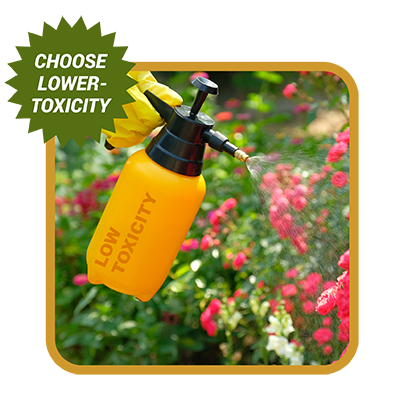
If you choose to use pesticides on your lawn or plants, here are our recommendations:
Build a dense, healthy lawn and landscape first. Most weed and pest problems can be prevented through proper lawn care and maintenance. When necessary, use the least-toxic option and only put it where it is needed.

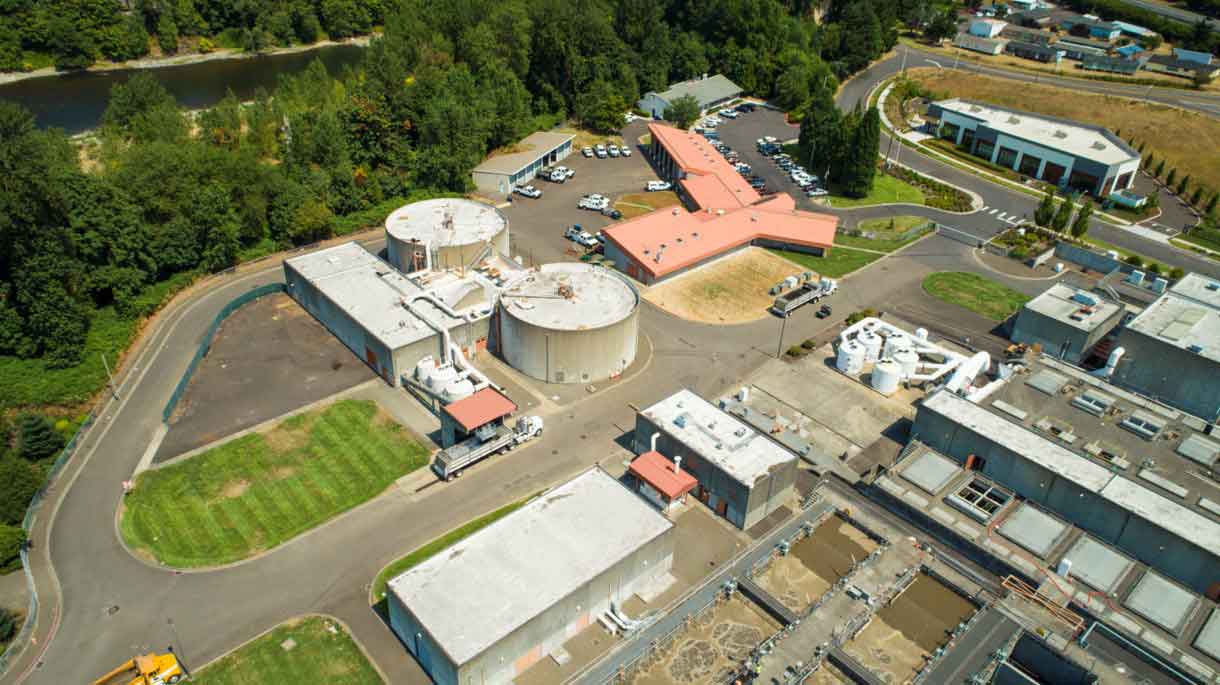
The Kellogg Creek Water Resource Recovery Facility, brought online in 1974, serves WES customers in Happy Valley, Johnson City, Milwaukie, and nearby unincorporated communities. Every day, the facility cleans nearly 7 million gallons of wastewater before it is safely released into the Willamette River.
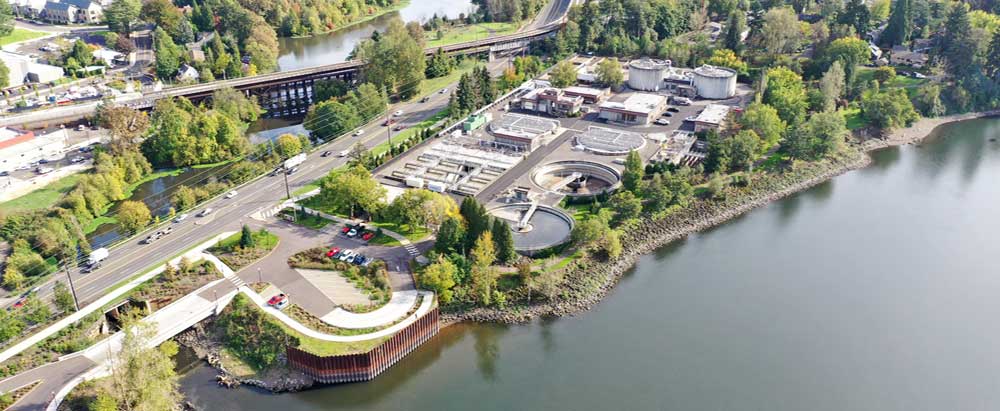
The facility uses primary and secondary treatment processes to clean wastewater:
Wastewater first passes through screens that remove large debris such as rags and sticks. It then enters a grit chamber where heavier materials—including rocks, sand and silt—settle out.
Primary clarifiers remove a large portion of solids from homes and businesses. Remaining solids move into the secondary treatment system, where aeration basins and naturally occurring microorganisms break down pollutants. Secondary clarifiers then allow solids to settle before the cleaned water moves on to disinfection.
The final step is ultraviolet (UV) disinfection, which neutralizes harmful microorganisms before the treated water is returned to the river. The facility also uses anaerobic digestion, a biological process that breaks down solids and supports energy and resource recovery.
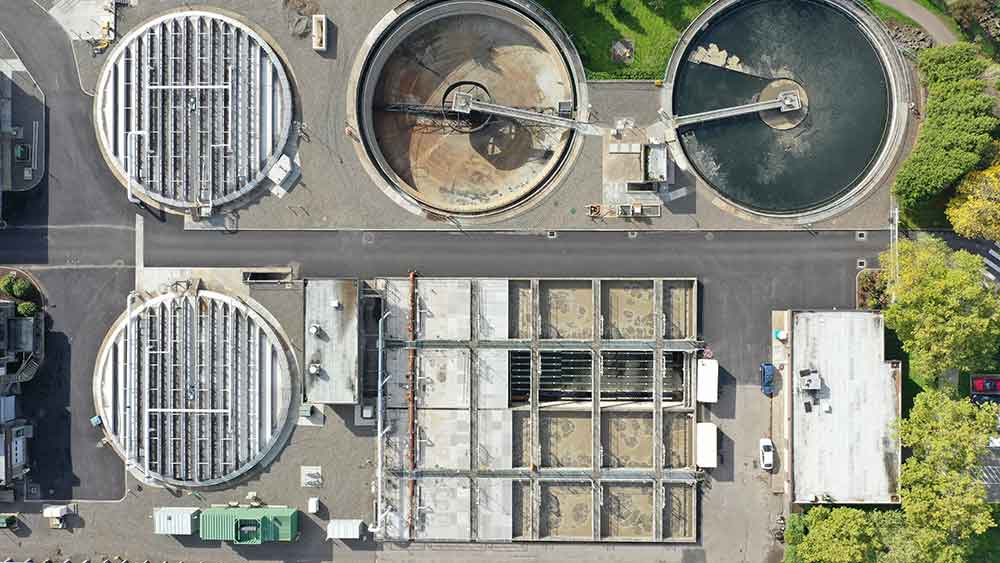
The name “Water Resource Recovery Facility” reflects the industry shift toward transforming wastewater into valuable resources—including clean water, biosolids and energy. This name also reflects WES’ mission to protect local watersheds and support a healthy environment where people can live, work and play.
In 2023, the Kellogg Creek facility received the Peak Performance Gold Standard Award from the National Association of Clean Water Agencies (NACWA). This honor recognizes facilities that operate for a full year with zero permit violations, demonstrating excellence in reliability, safety and environmental protection.
The Kellogg Creek Improvements Project received a 2021 Achievement Award from the National Association of Counties (NACo) for leadership in resiliency, infrastructure and sustainability. Recent upgrades ensure the facility can continue delivering reliable, cost-effective service for decades.
More improvements are planned to keep the facility running at top performance and protect community resources.
Rain and snowmelt don’t just disappear—they often flow over roofs, streets, and parking lots, picking up trash, chemicals, oil, and pet waste along the way. This polluted runoff goes straight into storm drains, into our creeks, and into the Willamette and Clackamas rivers. These pollutants can harm wildlife and drinking water sources in Clackamas County and across Oregon.
Most of the pollution in Oregon’s waters is run-off from farms, streets, rooftops, and yards—not from industrial waste.
What you do at home directly affects the health of our rivers and wildlife.The good news is that small actions can make a big difference. By preventing spills, properly storing chemicals, and disposing of waste responsibly, you can help protect our rivers, streams, and wildlife. On this page, you’ll find guidance and tools for pollution prevention from Clackamas Water Environment Services.
Spills that can seep into our creeks and rivers most often happen during everyday activities like car maintenance or caring for our landscaping. These are some of the most common pollutants:
7 Simple Ways to Prevent Water Pollution
Focus on one key principle: Keep pollutants off the ground and dispose of them properly. Here’s how to keep toxins out of our waterways and away from wildlife.
See Toxic Materials Drop Off Locations at the bottom of this page.
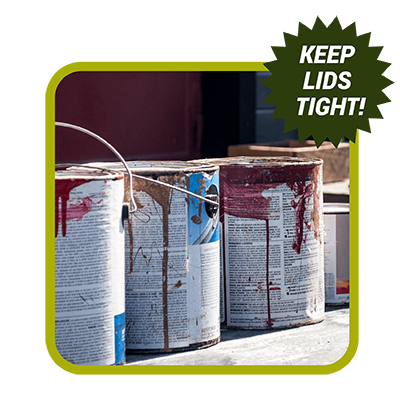
Clean Spills Correctly 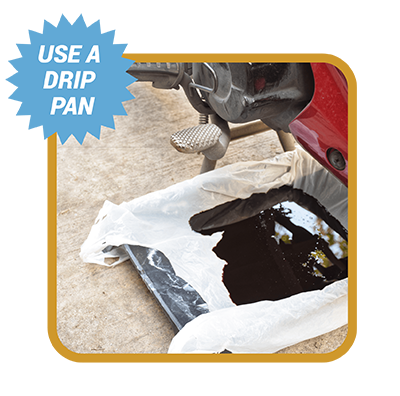
Use kitty litter, sand, or newspaper to absorb a liquid spill. Then, sweep it up and put it in the trash. We explain how to use kitty litter as a clean-up tool, below.
Important: Never wash a spill into a street, gutter, storm drain, creek, or river.

Many hazardous chemicals can affect both environmental and human health. That’s why it’s important to handle and dispose of them properly. Exposure to toxic chemicals may cause:
If you believe someone has been exposed to a toxic chemical, visit the Oregon Poison Center or contact them at 1-800-222-1222.
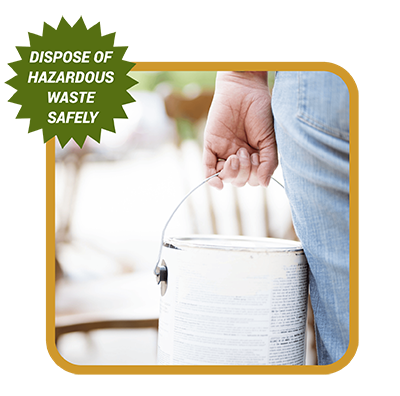
Don't put hazardous waste down the drain. Properly dispose of:
Drop off these materials at an approved hazardous waste collection facility in your community. Not sure if your item is accepted? Call ahead to confirm. Oregon residents can dispose of their hazardous waste at the Oregon Metro Waste Disposal and Clackamas Waste Disposal for batteries. Use our “What Goes Where” tool to determine the correct location for your item.
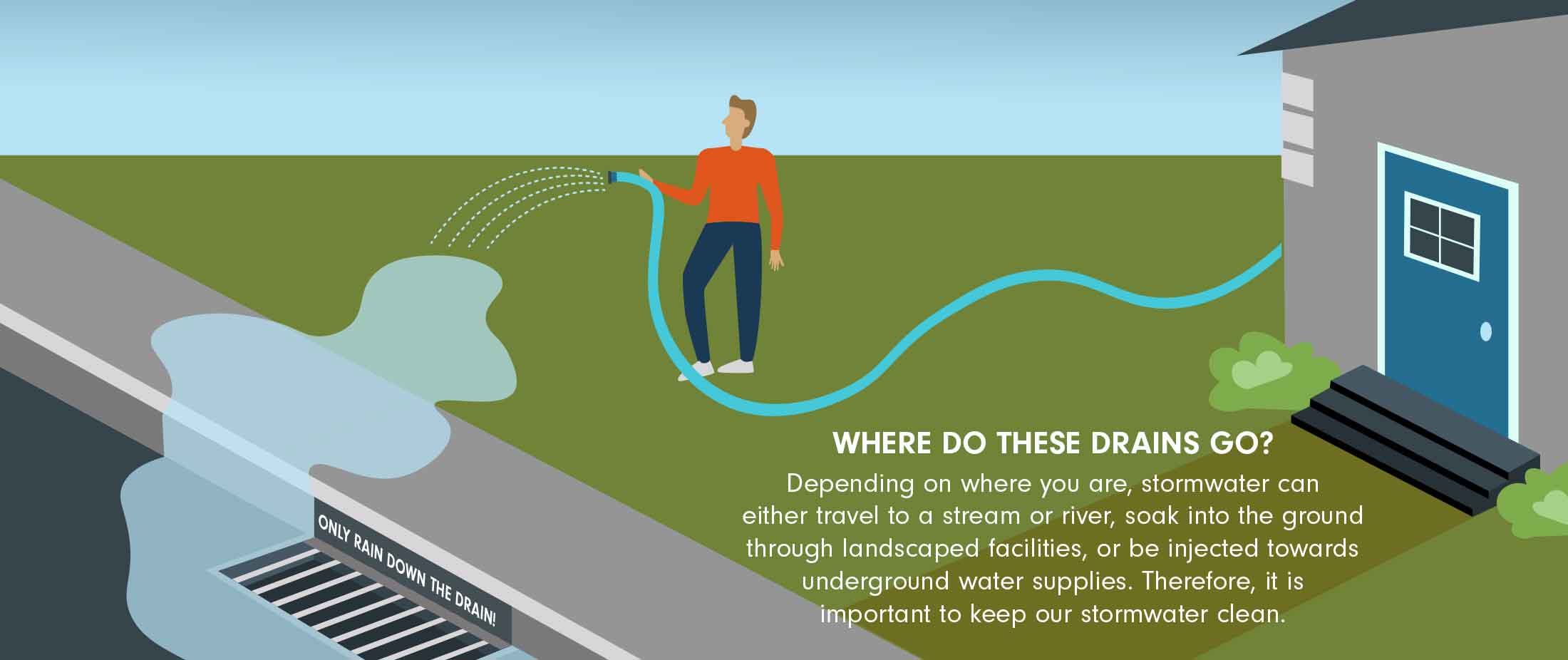
Although convenient for cleaning surfaces and equipment, pressure washing can send dirty runoff containing oil, soap, chemicals, metals, and sediment into the storm drain system. Most storm drains have zero to minimal treatment and drain directly toward the surface water and groundwater we all need to protect.
Berms, storm drain covers or mats, sump or vacuum pumps, wet vacuums, filtering or absorbent equipment such as socks, booms, bags of absorbent bark chips, etc., or inflatable pipe plugs can help prevent dirty water from entering the storm drain or allow for collection before it does.
Pollutants of Concern:
Polluted discharges from any property that enter a storm drain system are considered an illicit discharge violation and are subject to enforcement. If you are using hot water or chemicals, this water is not allowed to enter storm drains without an Oregon Department of Environmental Quality (DEQ) permit.
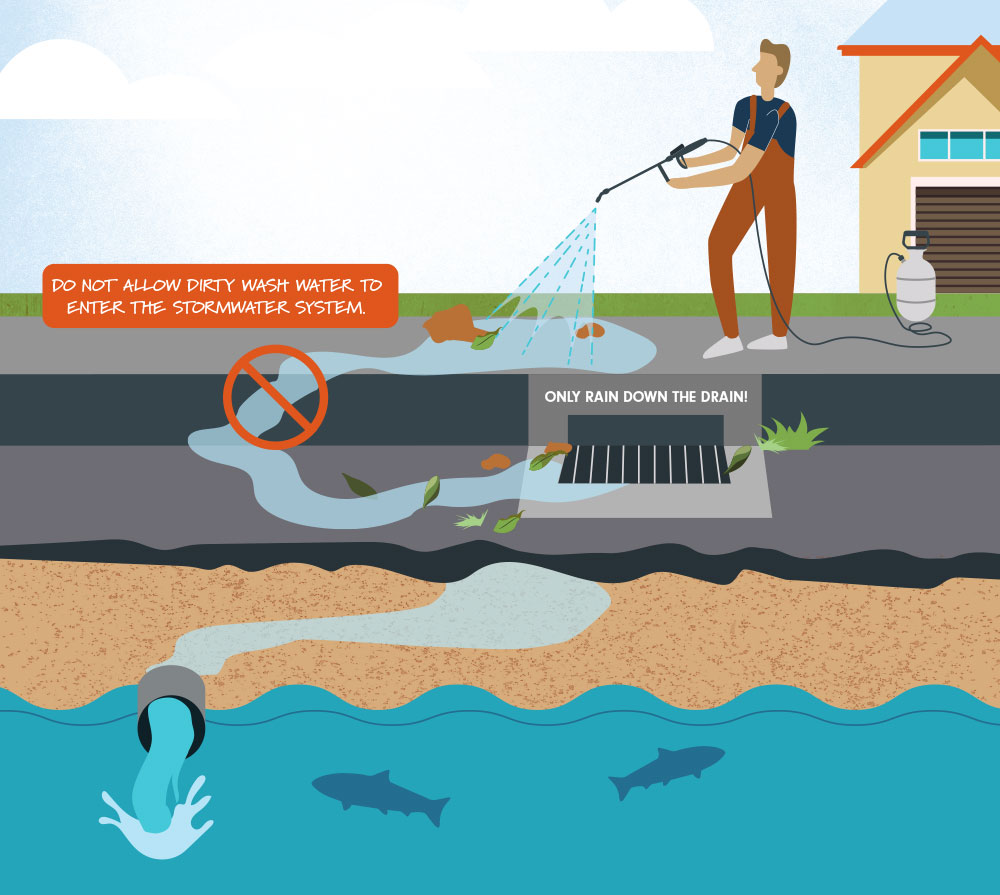
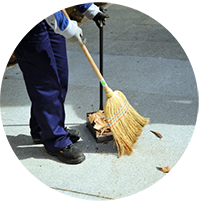
1.
Use dry cleanup methods first (sweep, blow, vacuum). Dispose of debris in the trash.
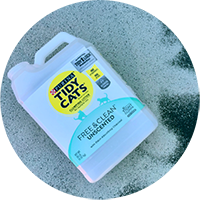
2.
Soak up oil and fluids using absorbents (cat litter, sawdust, sand) and dry-cleanup methods before washing. This, too, goes in the trash.

3.
Direct dirty runoff into a lawn or landscaped area away from the storm drain system.
(If wash water cannot be directed to landscaped areas, collect for disposal to the sanitary sewer via a clean out, toilet, or sink.)

4.
Follow EPA lead paint guidelines if pre-1978 era paint is involved.
 Clackamas Water Environment Services is proud to partner with The Oregon Association of Clean Water Agencies (ACWA) to protect and enhance Oregon’s water quality. ACWA developed the information (provided above) in collaboration with groundwater, stormwater and education experts dedicated to practical and proactive water resources protection.
 Ask your landscape maintenance contractor to use these best management practices to help protect our waters, our environment and those you love!
Why bother with best management practices?
Best Management Practices (BMPs) are designed to protect both our streams and underground drinking water quality, and to prevent clogging our stormwater facilities. Implementing BMPs can make a positive difference to help protect our waters, properties, and public health.
Do NOT apply pesticides, herbicides or fertilizers under windy conditions, or when rain, snow, sleet or hail is predicted within the next 48 hours.

Common practices such as these can pollute our water:
1.
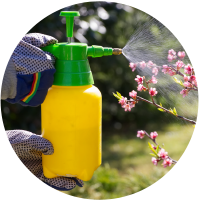
Over spraying fertilizer/pesticides on the sidewalk and applying them under wet conditions.

2.
Raking or blowing leaves and grass off yard and into streets.
3.
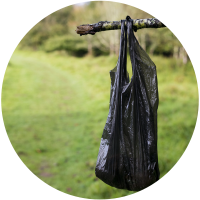
Leaving pet waste that can carry bacteria to waterways.
4.
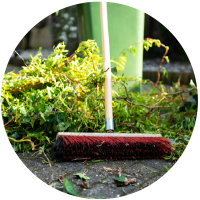
Stockpiling landscape material into the street where it can be a driving safety hazard, clog drains, and result in pollution.
5.
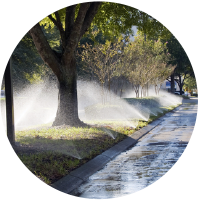
Allowing irrigation overspray to enter waterways.
Clackamas Water Environment Services is proud to partner with The Oregon Association of Clean Water Agencies (ACWA) to protect and enhance Oregon’s water quality. ACWA developed the information (provided above) in collaboration with groundwater, stormwater and education experts dedicated to practical and proactive water resources protection.
In 1986, the Tri-City wastewater treatment facility replaced obsolete treatment plants in Oregon City and West Linn. Today, the Tri-City facility cleans more than 11 million gallons of wastewater every day before it is released into the Willamette River. The wastewater is collected by a WES-owned-and-operated network of more than 360 miles of sewer pipes and pump stations. The Tri-City facility plays a large role in allowing WES to clean more than seven billion gallons of wastewater every year.
The Tri-City facility provides primary and secondary stages of wastewater treatment. Wastewater flows through screens that remove large objects like rags or sticks. The sewage then passes into a grit chamber, where heavier materials like rocks, silt and sand are removed.
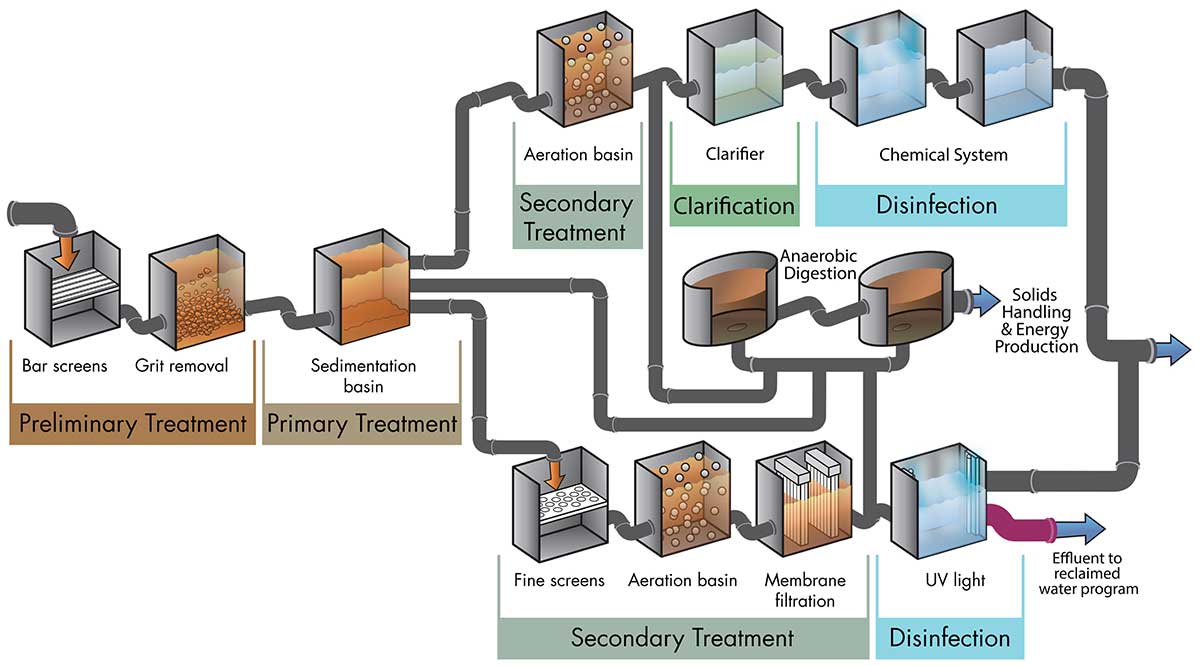
The secondary stage of treatment allows solids (a byproduct of waste) to settle before disinfection begins. Beneficial bacteria and air are pumped into an aeration basin to clean the wastewater as it flows to the secondary clarifiers. The membrane bioreactor uses fine screens, microbiology and filtration to remove environmentally-harmful materials.
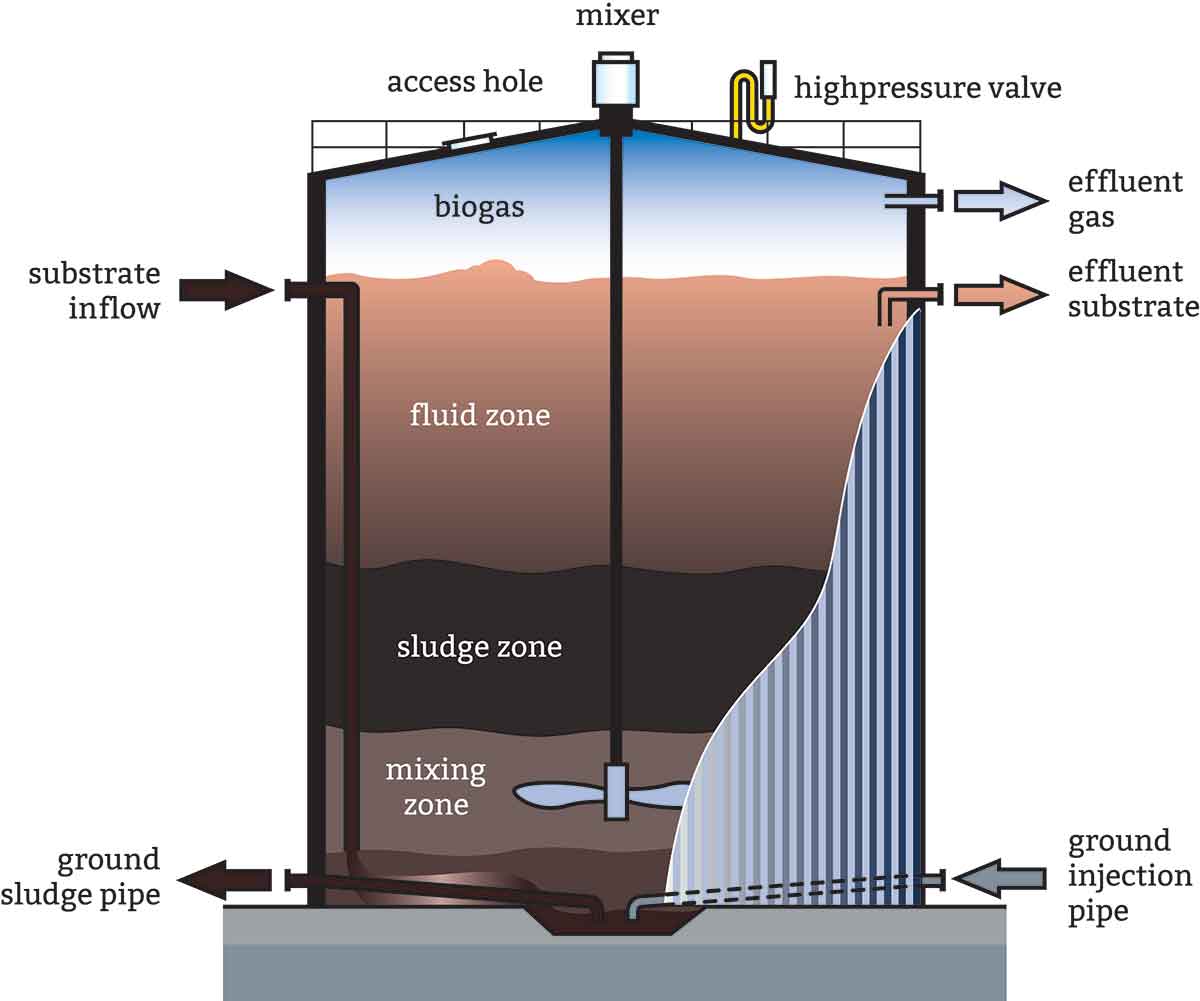
Anaerobic digestion uses microorganisms to break down organic materials, which generate biogas (mostly methane and carbon dioxide) in the absence of air. The methane gas is then converted to heat and power, which provides electricity that is used at WES’ Tri-City facility. The digestion process also converts waste into a natural fertilizer. Ultraviolet or chemical disinfection (we use both methods) neutralizes microorganisms, preventing them from replicating.
In 2020, the Tri-City facility received a Peak Performance Gold Standard Award from the National Association of Clean Water Agencies (NACWA) for excellence in plant operations and permit compliance.
 In September 2020, Clackamas Water Environment Services (WES) marked a major milestone in its Tri-City Solids Project, which provides facilities designed to ensure that the wastewater treatment needs of more than 190,000 county residents will be met for decades to come.
A new 1.3 million gallon anaerobic digester, constructed over a two-year period at WES’ Tri-City Water Resource Recovery facility in Oregon City, was successfully brought online after years of planning and design.
Anaerobic digestion is similar to composting but in an oxygen-free environment. Naturally-occurring microorganisms break down organic waste and produce methane gas. The new digester expands the facility’s capacity to process solids, which are a byproduct of treating wastewater from homes and businesses.
“This project is part of WES’ mission to protect public health, clean rivers, and the economy,” said WES Director Greg Geist. “WES is committed to creating a legacy of stewardship and a strong infrastructure that will protect and serve our communities today and well into the future.”
Along with the facility’s two existing digesters, the new digester will turn waste into methane gas that is converted to heat and power, which provides nearly half of the electricity used at the Tri-City facility and provides heat for the process and buildings The digester process also converts the solids into a natural soil amendment.
The new digester was needed to accommodate a population that has more than doubled over the past 30 years. In addition to protecting public health and the environment, the new digester will support future economic growth in the region.
“As our region grows and redevelops while our infrastructure continues to age, we’ll see the need for more projects like this one in the future,” said WES Director Greg Geist. “WES is committed to using value engineering and other practices to keep costs down while ensuring the lowest-risk, state-of-the-art technology is being used.”
A biopower upgrade at the Tri-City Water Resource Recovery Facility is helping Clackamas County meet climate-action goals and extend the benefits of renewable power to more residents.
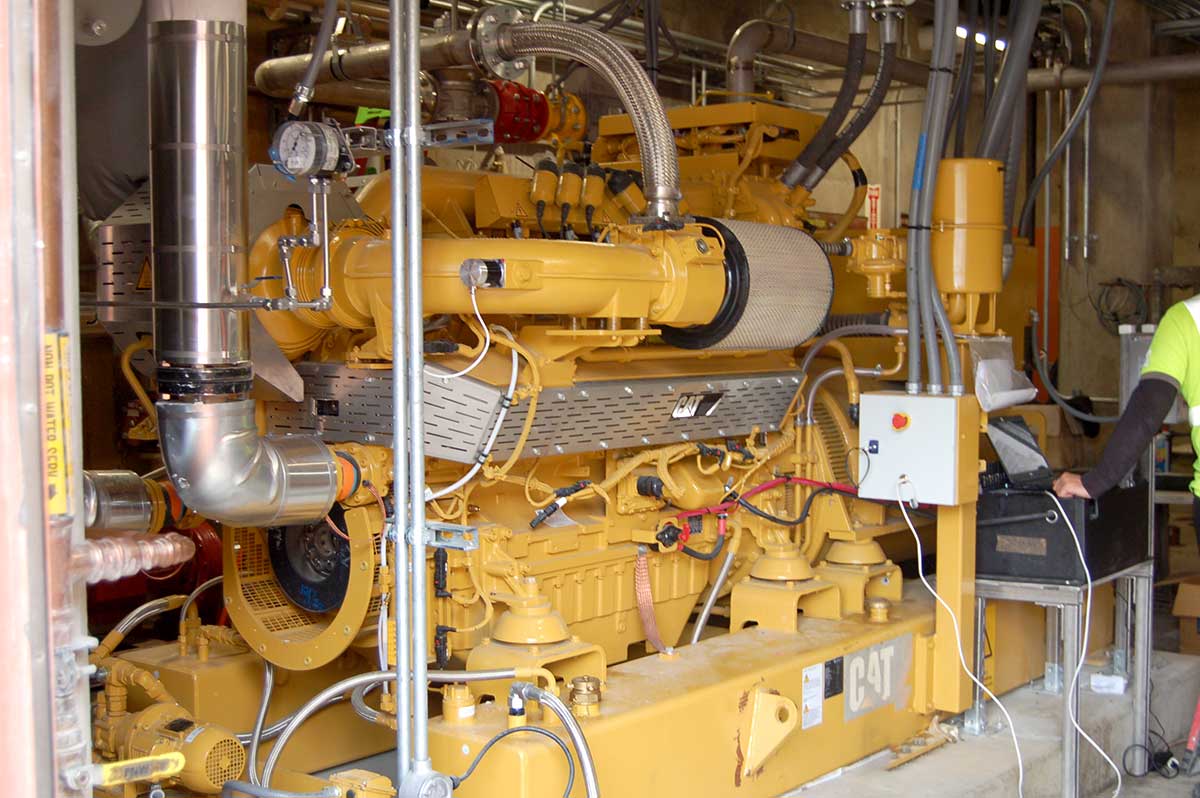
The new, low-emissions biogas project transforms organic waste into renewable energy. This co-generation system will produce heat for five buildings at the site and an estimated 4,324 megawatts of electricity a year—enough to offset nearly half of the facility’s energy use.
The new 600-kW, lean-burn engine is connected to the digester tanks. As the digesters break down organic waste, methane gas is produced. At many facilities, methane is typically wasted by burning or “flaring.” The co-generation engine, instead, converts the methane into heat and renewable energy.
It is waste that needs to be processed anyway. But with this configuration, WES can generate its own power and heat. It saves money and energy and benefits WES and the communities we serve.
Project benefits:
Estimated annual generation and savings:

Assistance from Energy Trust of Oregon and Portland General Electric’s Renewable Development Fund helped make the biopower upgrade possible.
Energy Trust of Oregon offered expert advice and a $158,000 project development assistance incentive for feasibility studies. Another $1.8 million Energy Trust of Oregon incentive helped cover the biopower project costs, including the engine upgrade, gas scrubbing, flare minimization and additional heat utilization.
The PGE Renewable Development Fund, supported by PGE Green Future renewable energy customers, awarded a $250,000 grant. Since 1999, customers of Portland General Electric have supported clean energy by participating in the Green Future℠ renewable power program. To date, PGE Green Future customers have helped fund more than 14.5 Megawatts of new, local renewable energy generation.
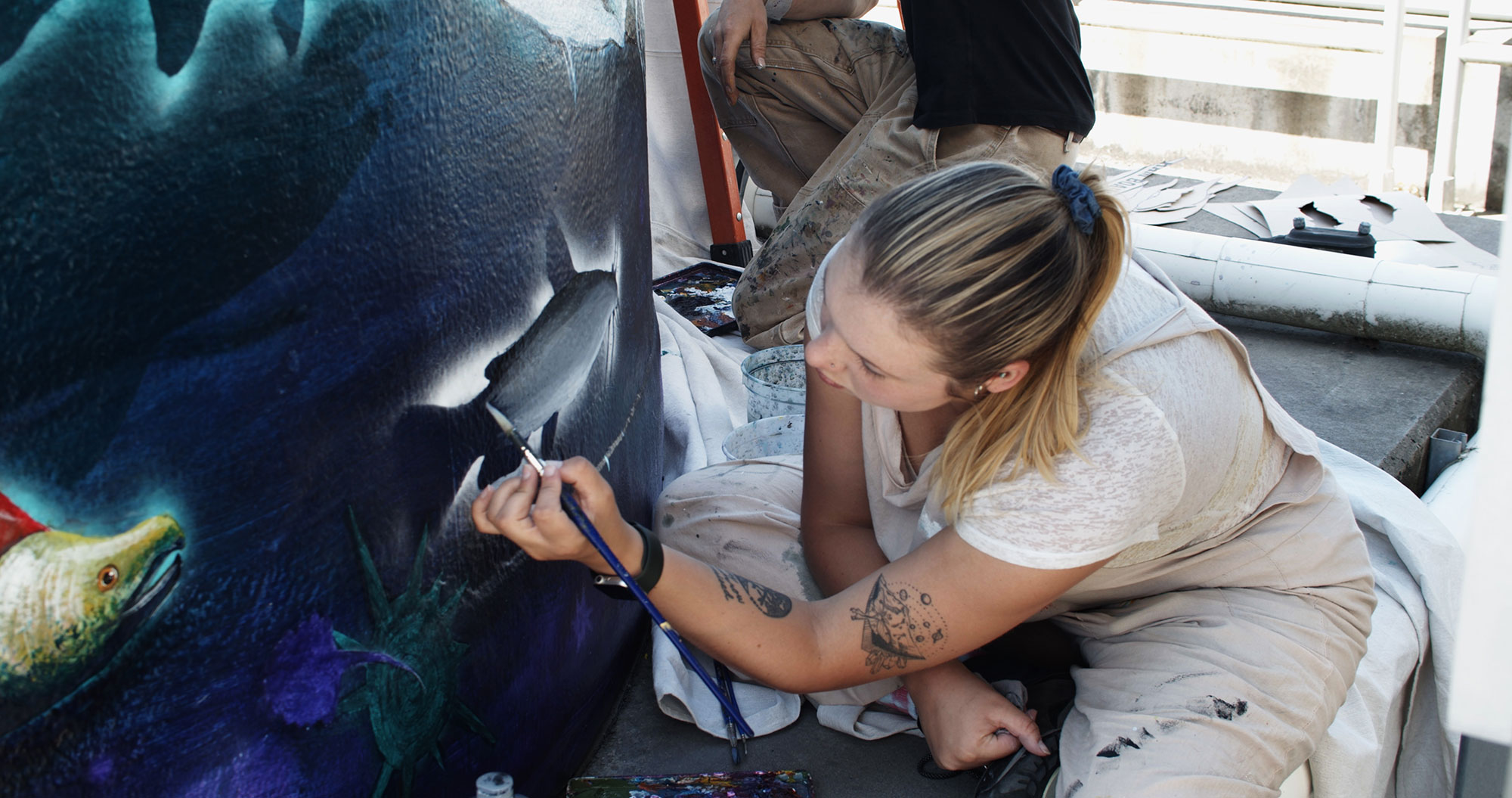
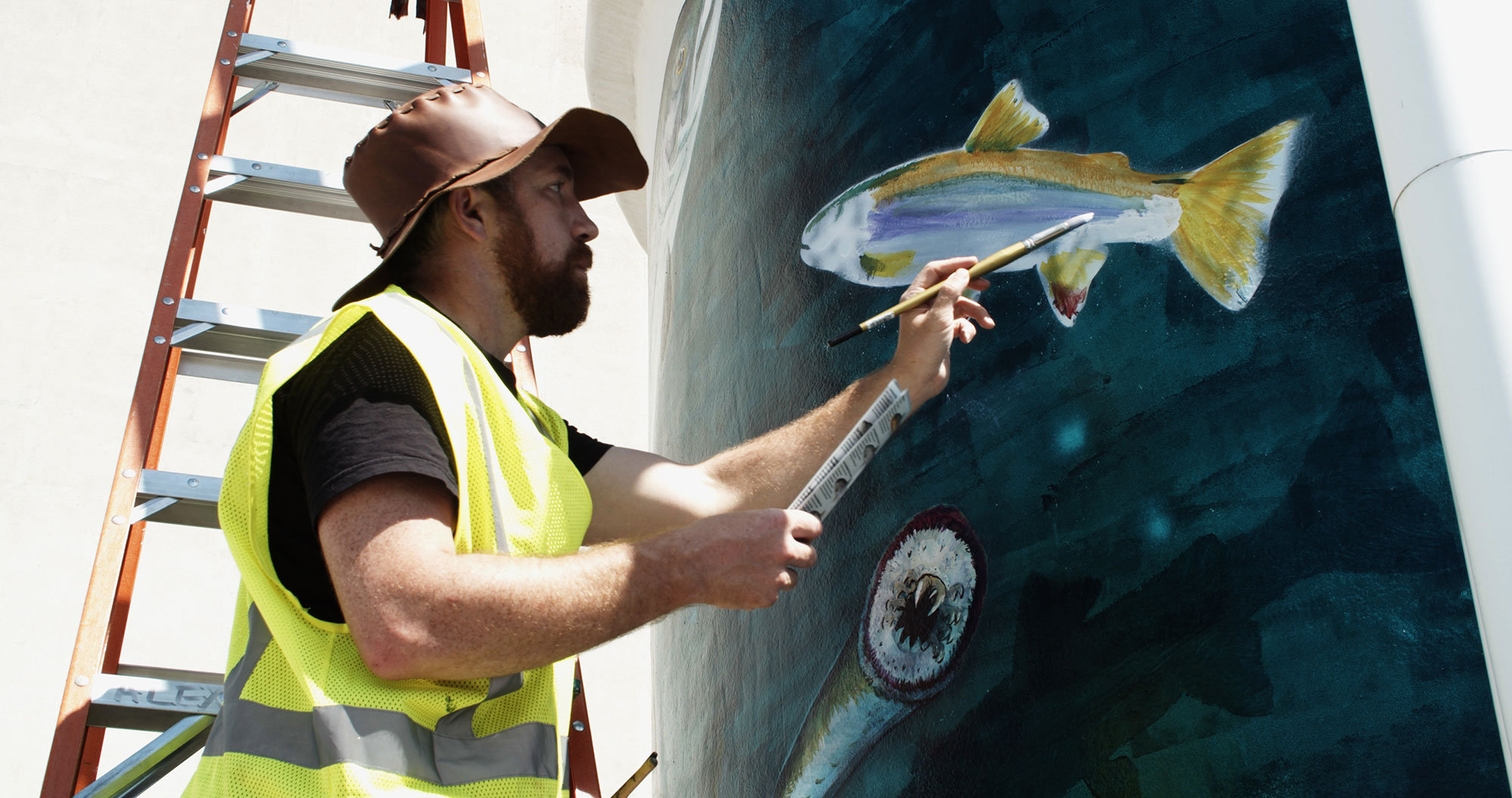
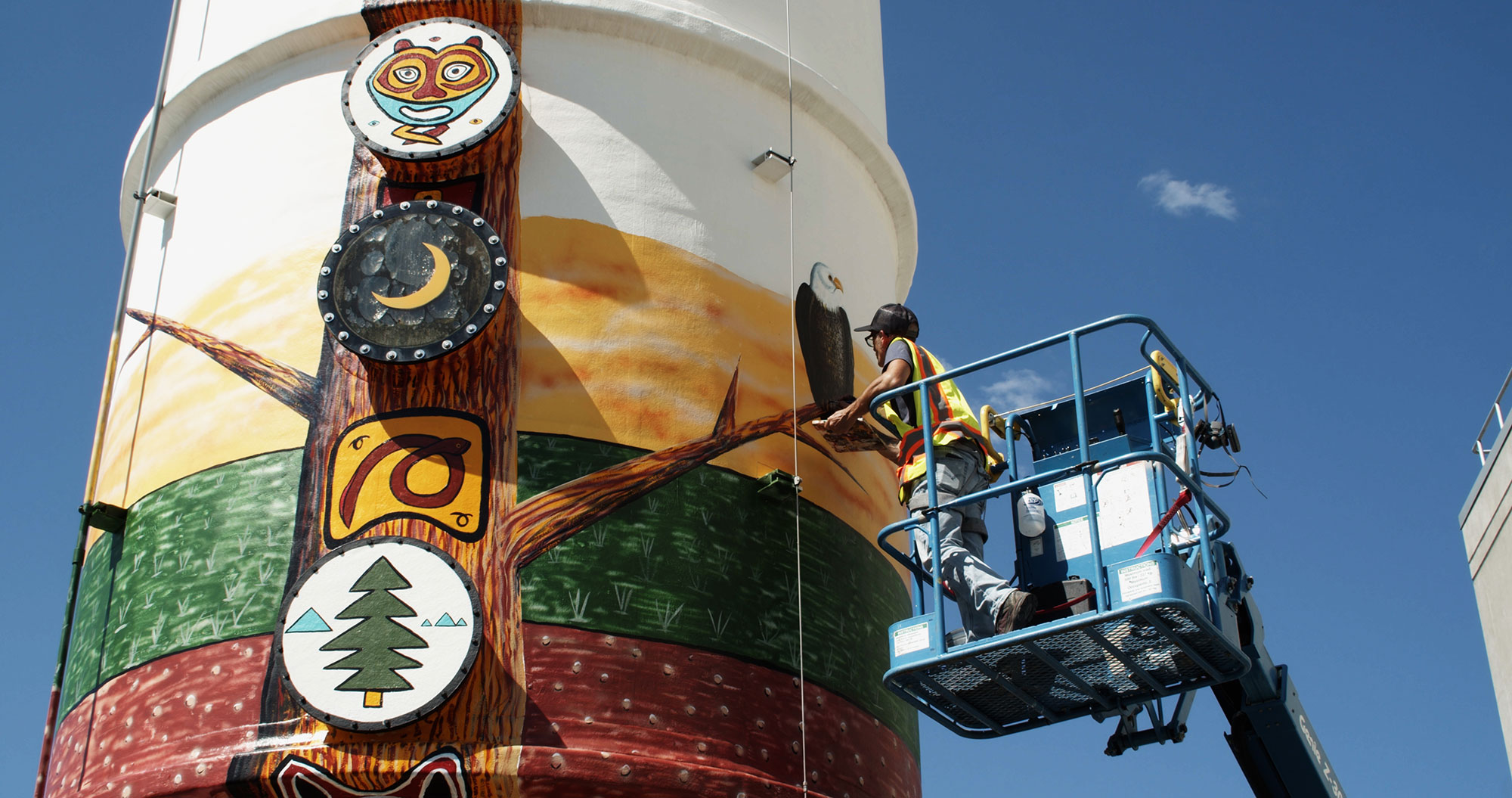
With a grant from the PGE Renewable Energy Fund, WES collaborated with Clackamas Community College’s Art Department and Environmental Learning Center to create a concept for an educational mural on the biological odor control tower, which uses odor-neutralizing bacteria as a natural alternative to chemicals.
Educator David Andersen and his art students created the mural to demonstrate the importance of watershed health, sustainability, renewable energy, and awareness of climate change.
Before painting, Andersen and his students engaged with community members to develop images that illustrate the ecological diversity of our area separated into three layers –water, earth, and sky –with references to native salmon, Pacific lamprey, freshwater clams, birds, microorganisms and other wildlife.
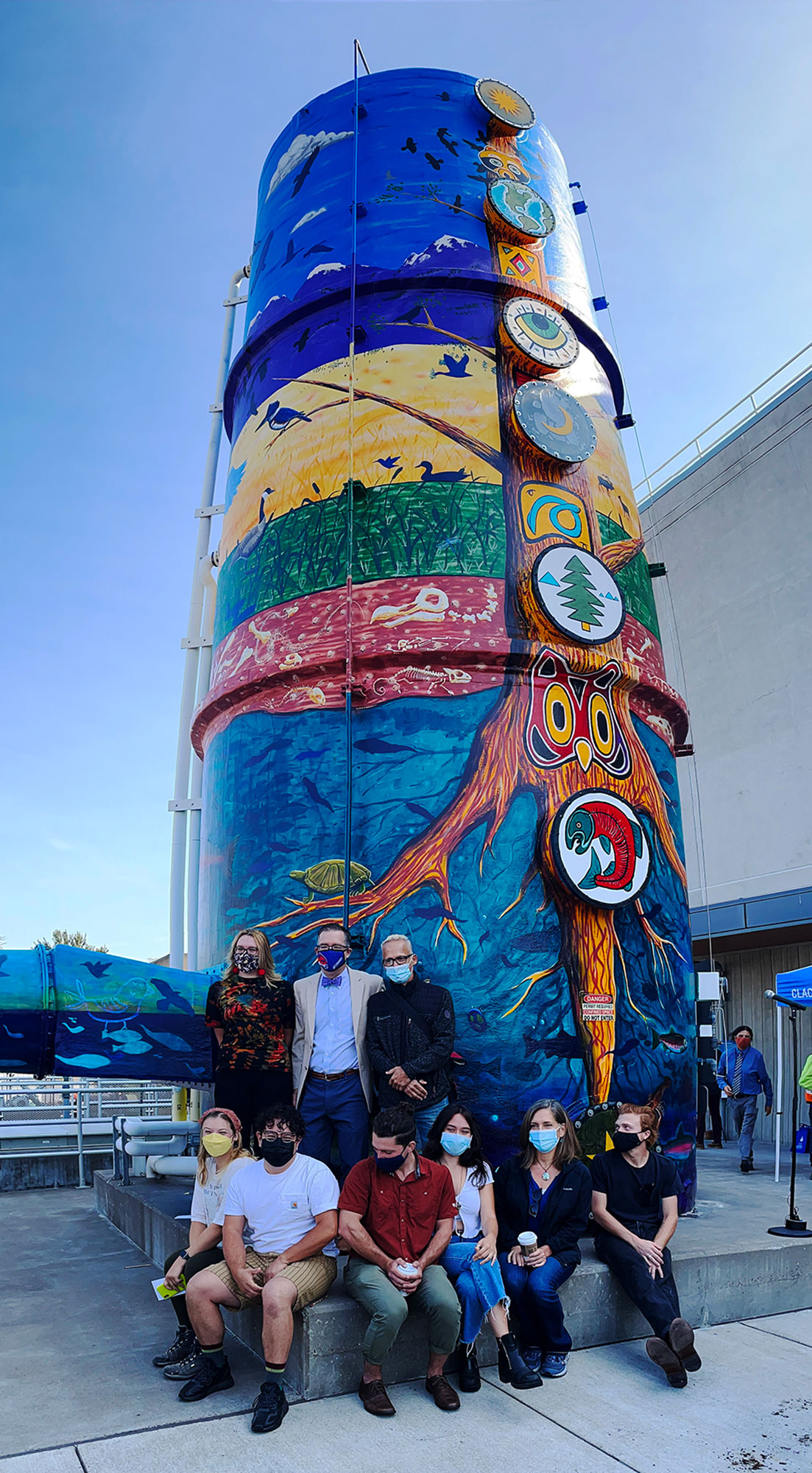
August 2021
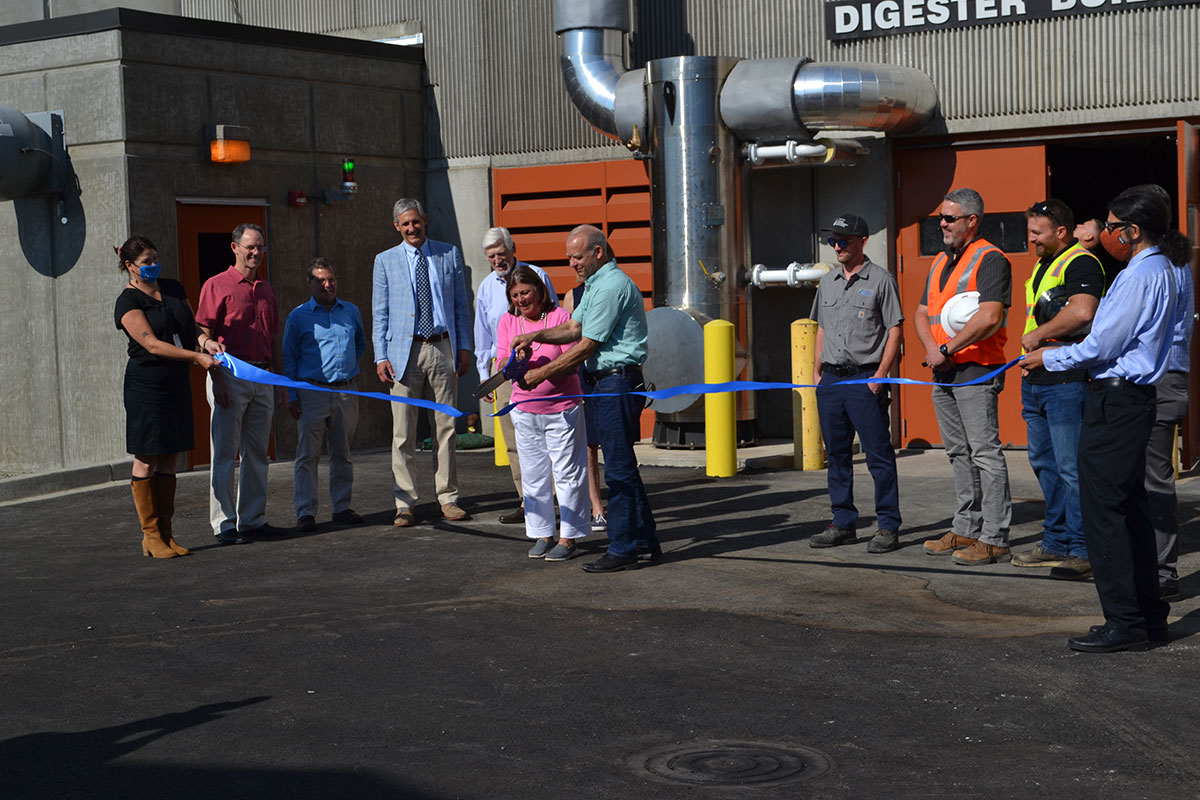
A ribbon-cutting ceremony was held in August 2021 to celebrate the completion of the new digester complex.
Oct. 2020
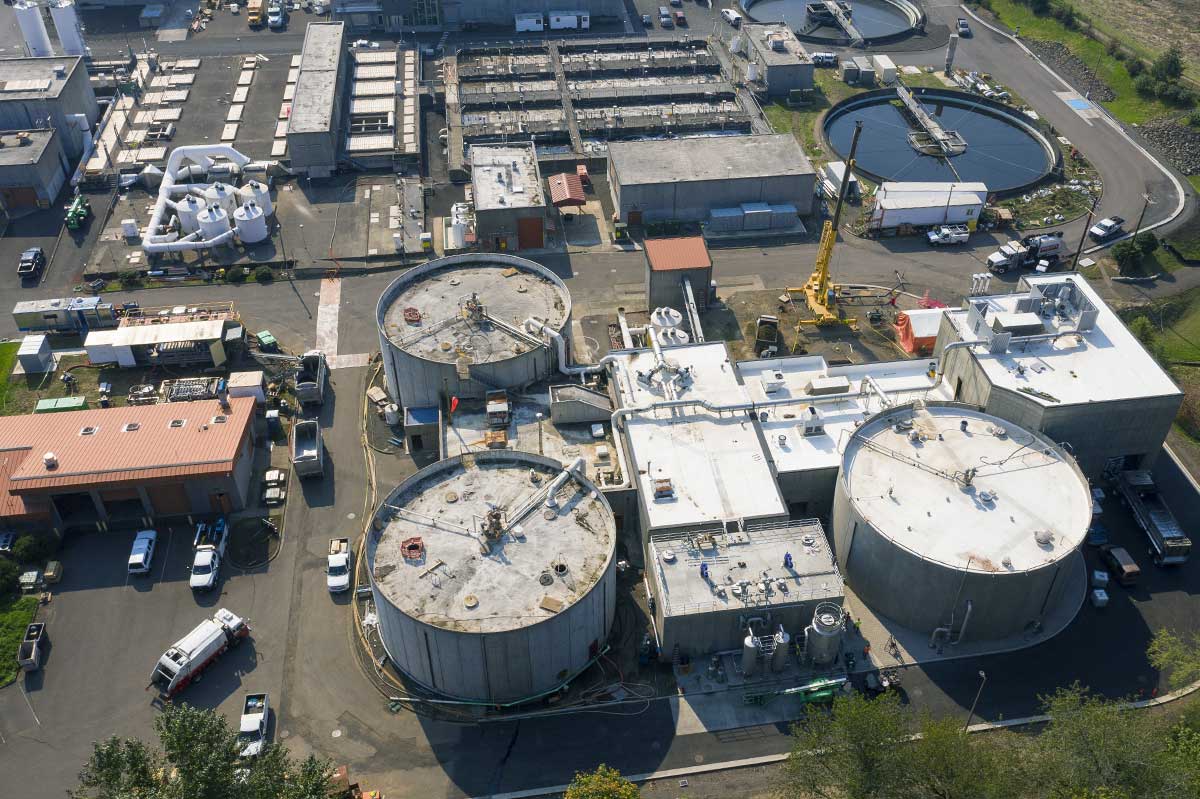
Structural concrete work on the new solids handling structure roof deck is underway in the truck load out. The new digester and centrifuge feed tank concrete work is completed.
June 2020
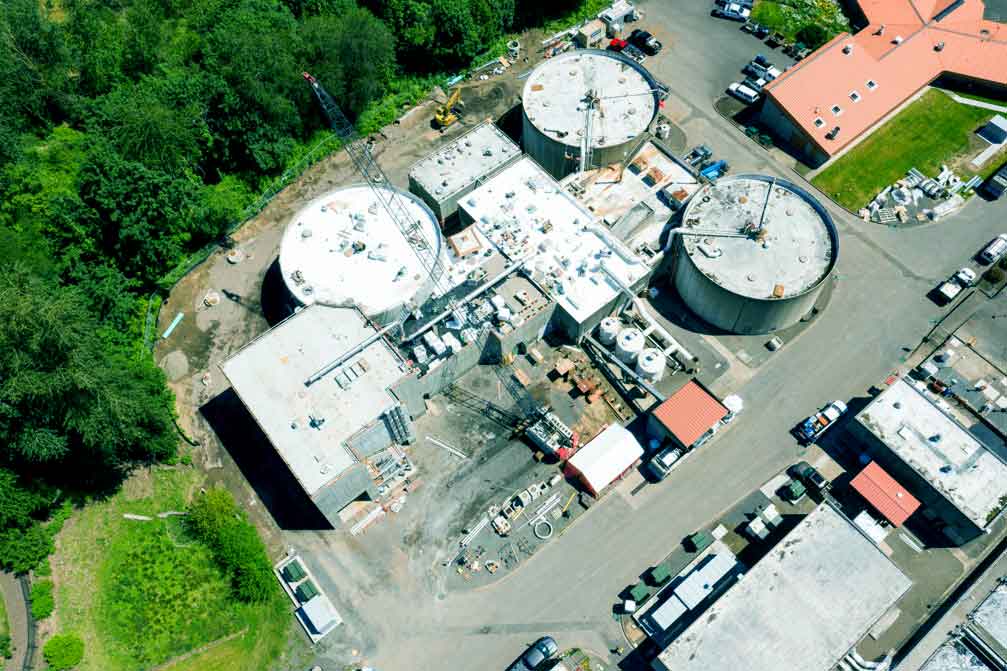
Roofing work on all facilities is underway. Site Civil and Yard piping beginning to commence.
Feb. 2020
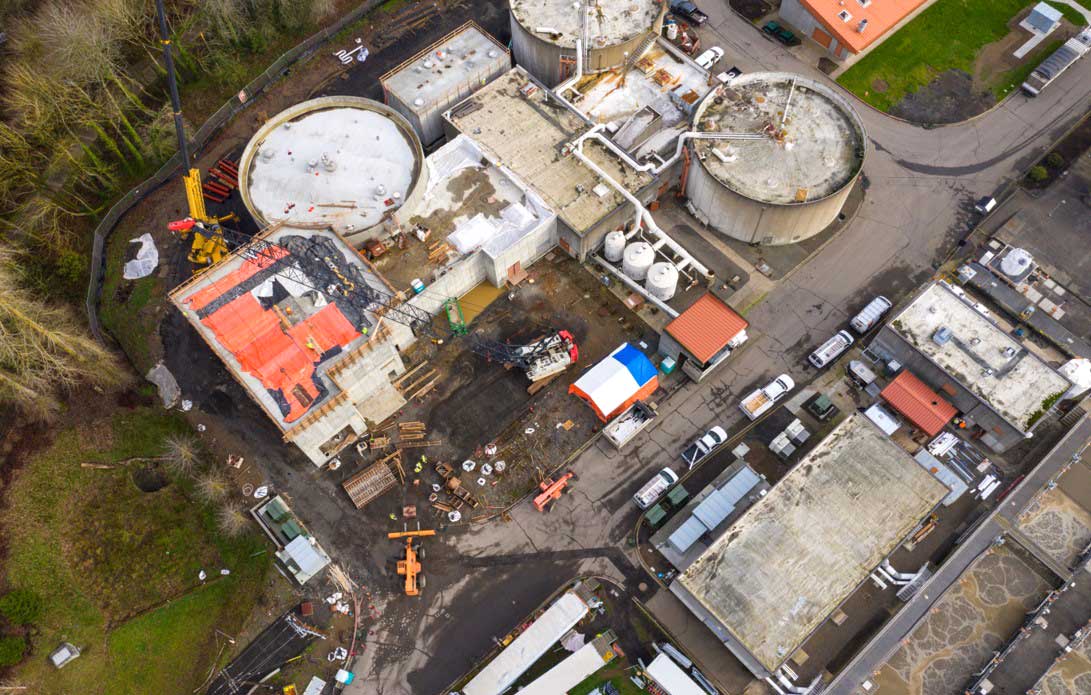
The roof deck on the new solids handling structure is being set in place with the walls now completed. The new digester’s exterior walls are complete, with interior and exterior piping work underway. Centrifuge feed tank structural concrete work has been completed.
Aug. 2019
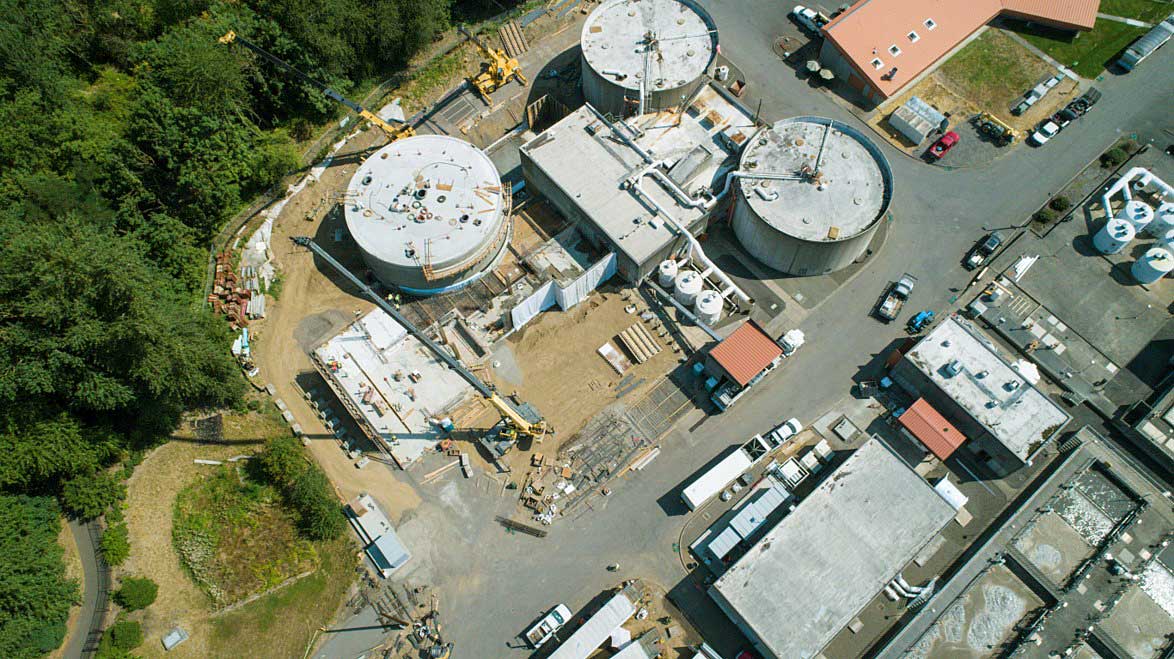
The new digester construction is nearly complete. The new solids handling structure foundation is completed, while concrete for the southern walls are being formed and poured. Centrifuge feed tanks excavation is underway
May 2019
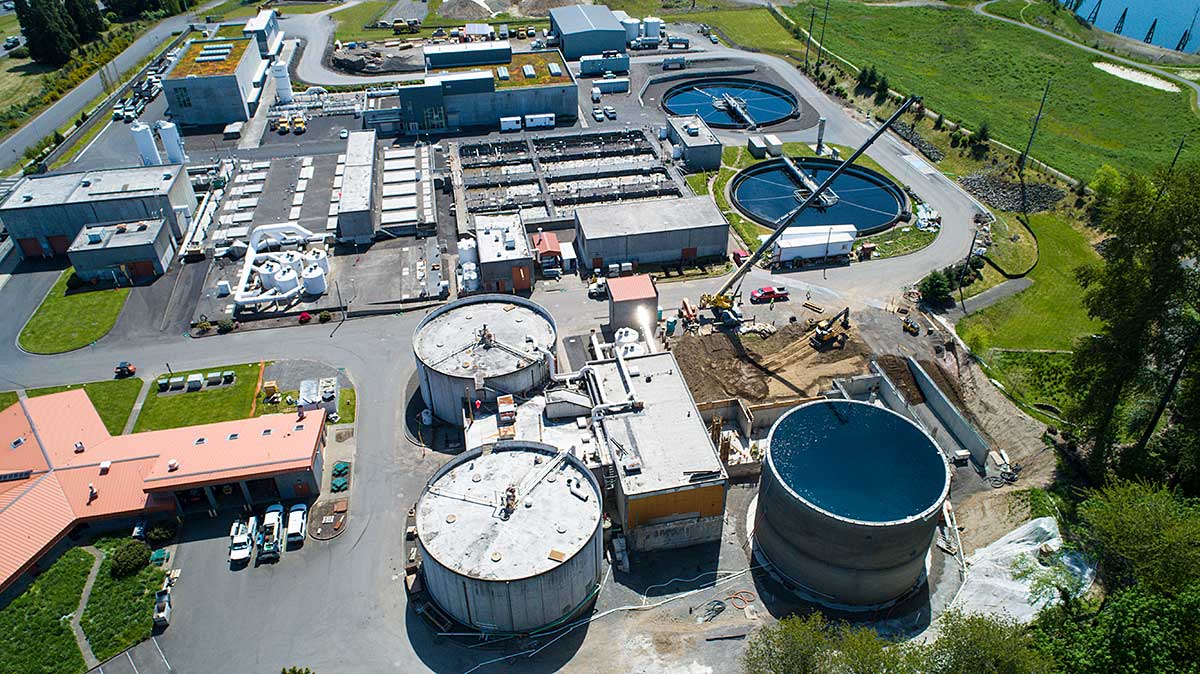
A big project milestone is reached as the new 1.3 million gallon digester (lower right) passes a key “water-holding” test, which allows the project to proceed.
Feb. 2019
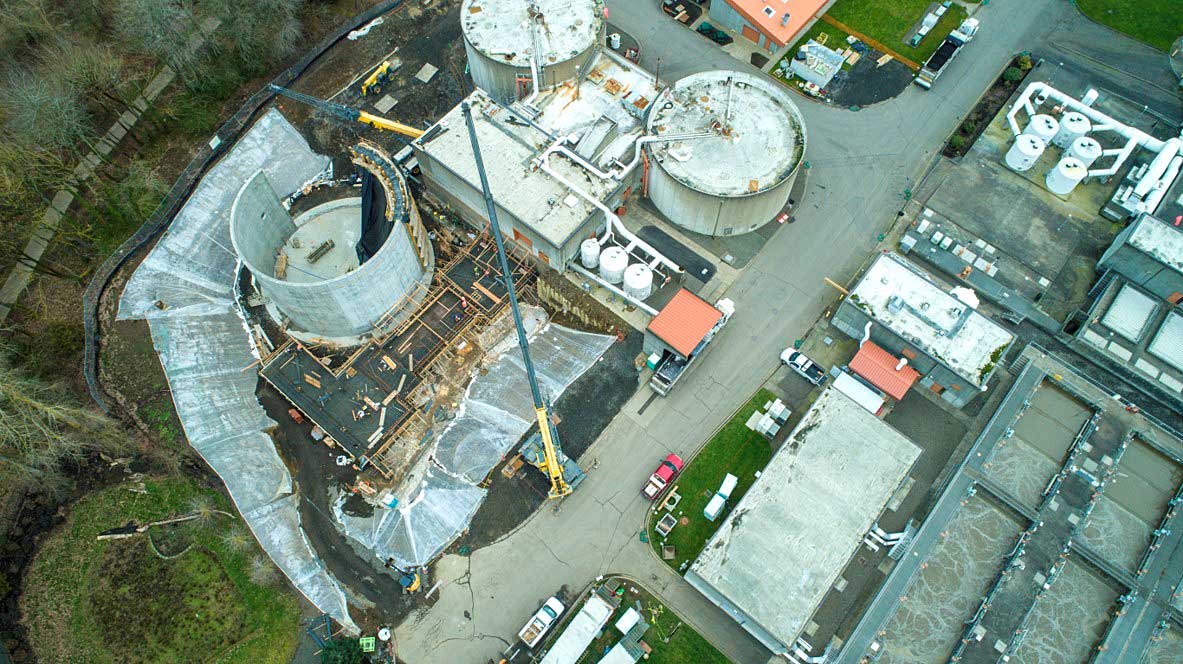
Deep excavation was completed for the new solids facility. The foundation for the new digester was completed with concrete for the wall sections being poured. Foundation work for the new solids handling structure began.
Sept. 2018

For the official groundbreaking ceremony, WES Leadership was joined by County Commissioners, WES Advisory Committee members, representatives from the cities of Gladstone, Happy Valley, Johnson City, Milwaukie, Oregon City, West Linn, unincorporated Clackamas County, members of the business community, contractors and WES partners.
Aug. 2018
Final preparations are made at the new digester construction site on the Tri-City campus in Oregon City.
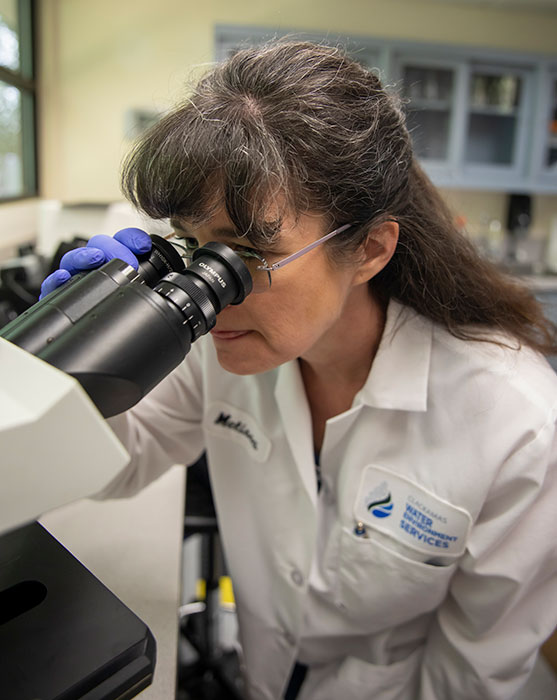 Testing water quality for safety, the Tri-City Water Quality Lab performs nearly 30,000 analyses per year, including hundreds of tests per month on samples collected from Tri-City, to check the health of water at every step of the wastewater treatment process.
The testing ensures that WES meets discharge requirements for the Willamette River and provides information to optimize operations at Tri-City. In addition, samples from the other WES facilities and surface water facilities are also analyzed.
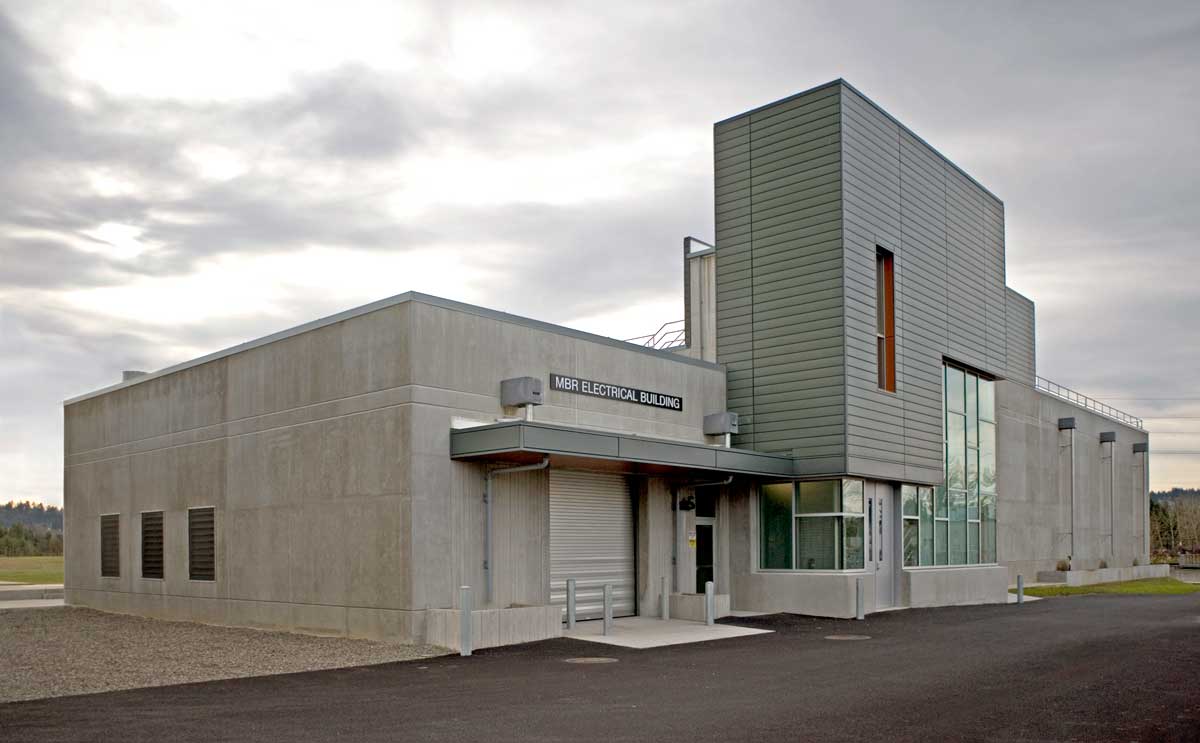 WES is committed to responsible stewardship, recovery of resources and demonstrating leadership in sustainable business practices.
WES employees are dedicated to following and promoting solid sustainability practices to reduce the environmental impacts of all our activities. WES is proud to have achieved certification in the county’s Leaders in Sustainability program by conserving energy and water at our Tri-City facility and minimizing waste throughout our department.
The Membrane Bioreactor (MBR) uses hollow-fiber membranes to separate particles from water. The MBR’s compact footprint requires fewer components than pressurized systems and provides simple, trouble-free operation and maintenance. The MBR saves both energy and precious water resources.
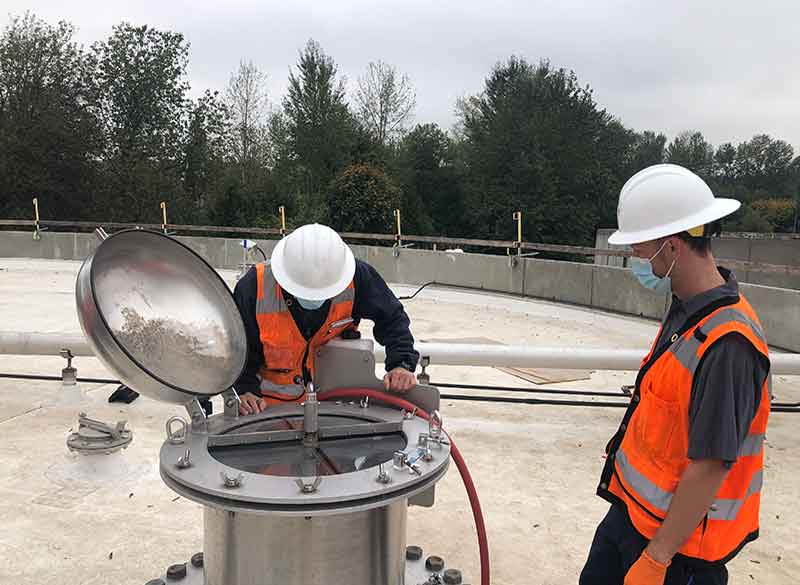 WES has saved millions of kilowatt hours at our Tri-City facility by participating in Energy Trust of Oregon’s Strategic Energy Management Program, which helps organizations train their employees to identify energy-saving opportunities.
After signing up for the program, WES employees identified 104-energy saving possibilities at the Tri-City campus. Since then, WES has saved hundreds of thousands of dollars in energy costs, which benefits the environment and our customers. WES is now in the process of expanding the program’s practices to more of our facilities.